Laundry can look okay coming out of the wash but still smell dull, sour or musty, making the entire load feel not quite finished. In many U.S. homes, it’s not always the brand of detergent or the washer itself that’s the problem. It could be from little habits in the laundry room that trap moisture, leave residue, block airflow, or transfer odours from one load to the next. A washer door left closed, wet towels left too long, too much detergent, a clogged lint trap, or a full hamper can all work against that fresh-clean smell quietly. These common laundry mistakes are easy to miss because the clothes look clean but the smell keeps returning.
Leaving the Washer Door Shut Too Soon
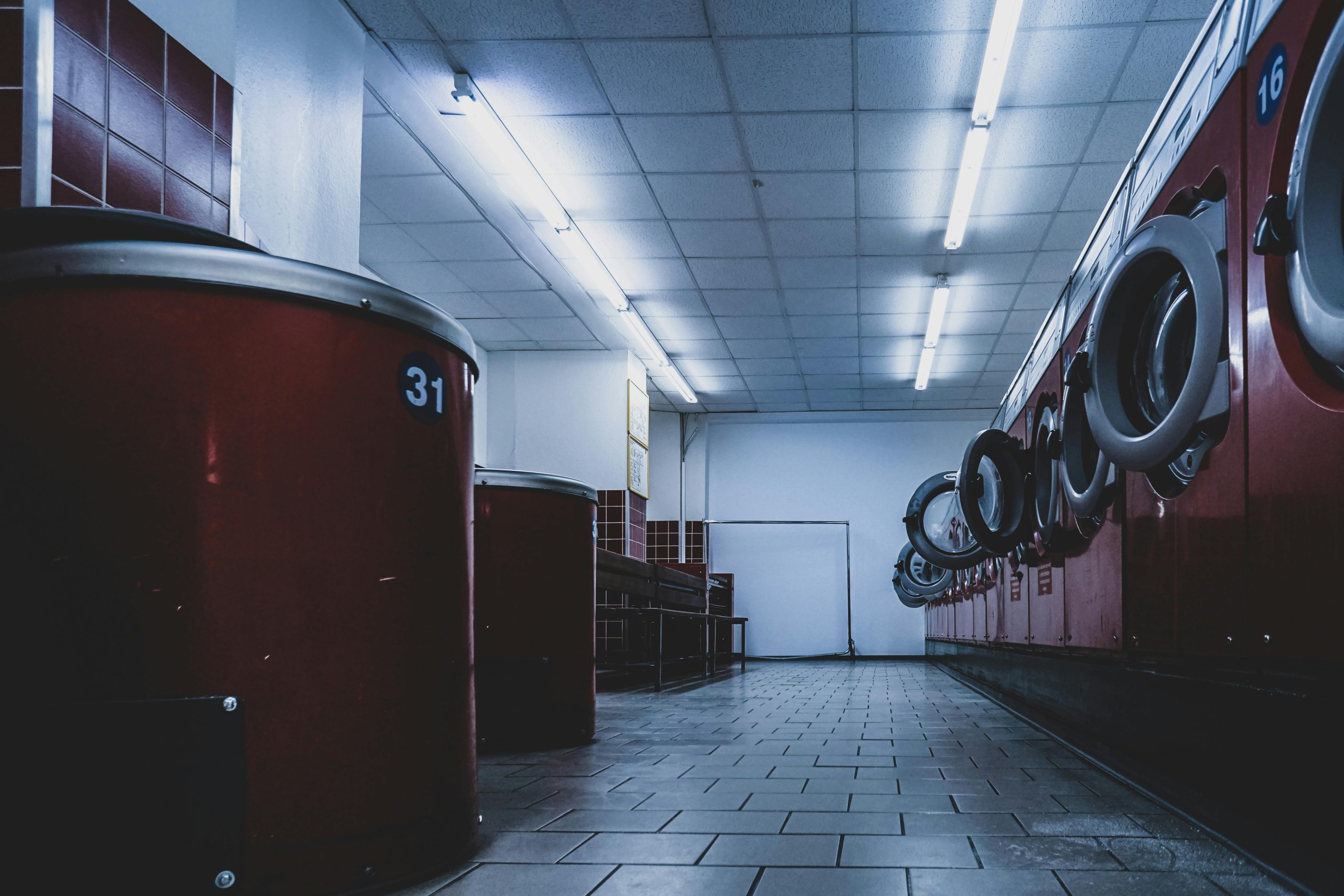
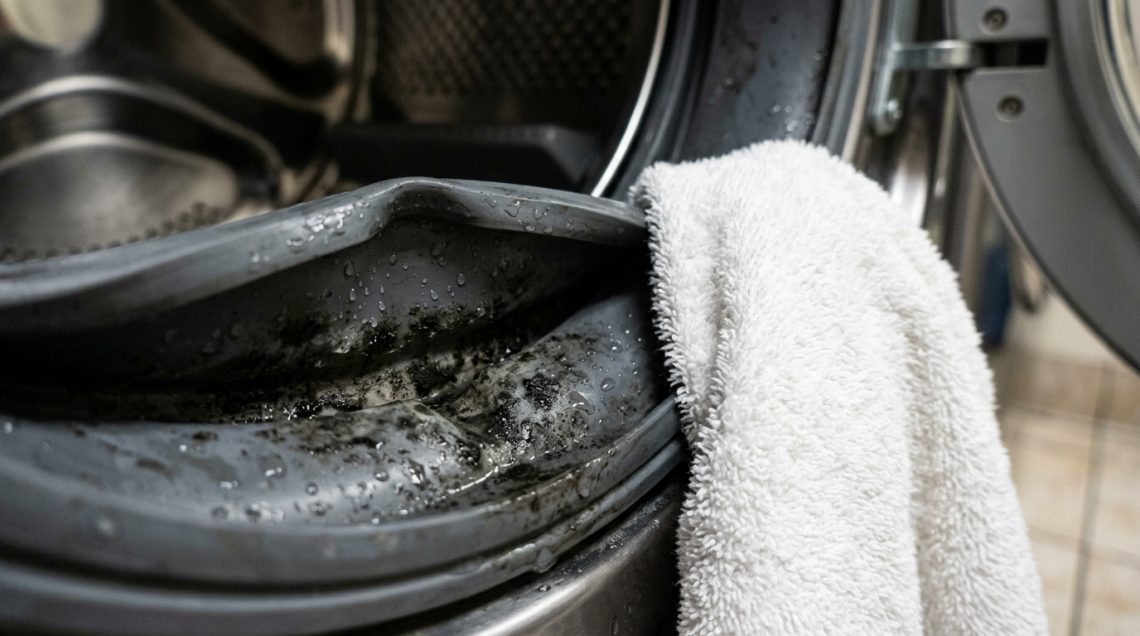
Your washer might be clinging to the smell before the next load even starts. A washer that remains closed immediately after a cycle can trap warm moisture in the drum, gasket and detergent area. In many U.S. laundry rooms, particularly in small apartments or basements with limited airflow, that damp space may develop a stale smell that transfers to towels, T-shirts and sheets. Front-loaders are particularly prone to this problem since the door seal can trap water in hidden folds. Leaving the door open for a while after laundry, wiping the gasket and letting the dispenser dry can help minimise that trapped smell. The key is to not make the washer airtight immediately after it has just filled with moisture.
Letting Damp Towels Sit in a Pile
Laundry day might be getting that pile of towels stinky. Thick fabric holds moisture longer than shirts or sheets, so damp towels are one of the easiest laundry smells to create. In busy U.S. bathrooms, gym bags, pool days and kids’ bath routines, towels often end up in the hamper still wet. But once packed together, air can’t move through the layers and that trapped dampness can turn into a sour smell. By the time towels make it into the washer, detergent has to fight a smell that is already embedded in the fibres. Hang towels on the hangers to dry before putting them in the hamper or wash them sooner to avoid one wet towel ruining the whole load.
Using Too Much Detergent

Too much detergent can make clean clothes smell less clean.When clothes smell sweaty, smoky or stale, pouring in extra detergent seems like a safe move. But too much detergent can backfire. Excess detergent may not rinse out completely in many of today’s U.S. washers, especially high-efficiency models. That residue can cling to fabric, trap body oils and create a dull smell that comes back quickly after drying. It can also make towels feel stiff rather than fresh. The fix is usually boring but useful: follow the detergent line, use less for smaller loads and remember that concentrated formulas need smaller amounts. The bottle may smell strong, but you don’t need to douse your clothes in it.
Overpacking the Washer Drum
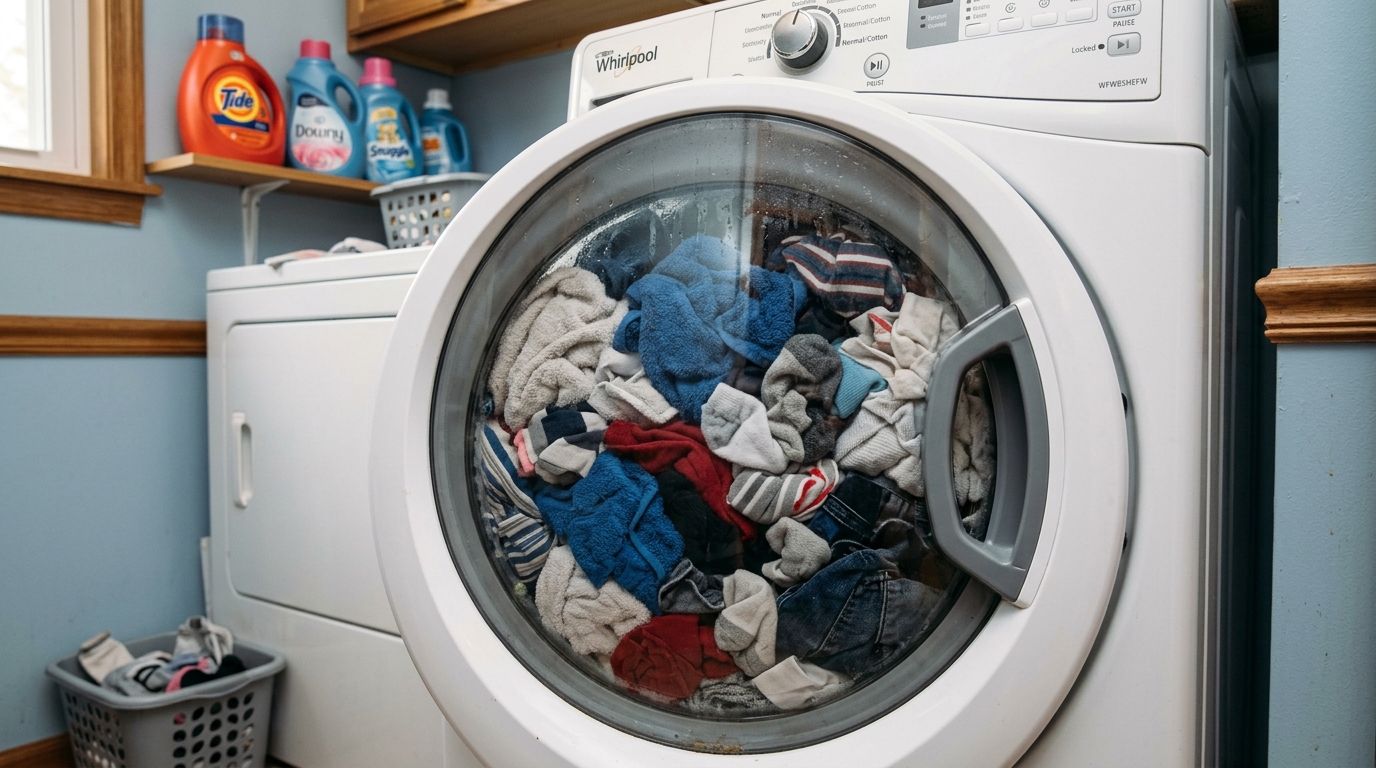
Washer too full? Half-washed clothes can smell half-washed.An overfilled washer may not allow clothes to tumble, rub, rinse or separate as they need to. In the average American home, it’s easy to maximise time by cramming one more towel, sweatshirt or pair of jeans into the drum. But if the fabric remains compressed, the detergent can reach some parts, while the body odour and moisture remain trapped in others. Large loads make it harder to rinse, and can leave residue. Movement is a better sign, clothes should have room to lift, drop and circulate. If that load comes out all twisted up into one heavy mass, that fresh smell may have already gone down the drain.
Ignoring the Lint Trap Between Loads
That fresh-dryer smell can be stealthily robbed by the lint trap.A full lint trap is more than just a mess. It can restrict air flow, which can cause the dryer to run longer and leave bulky items a bit damp even when the cycle is done. In many U.S. homes, the lint produced by towels, fleece, socks and pet blankets is enough to clog the screen in no time. Clothes that stay damp and warm for too long can get a flat, musty smell instead of that crisp laundry finish. The small habit of cleaning the lint screen before every load has a big payoff: better airflow, faster drying and less chance of odours. It also helps the dryer not have to work harder than it has to.
Leaving Finished Laundry in the Washer
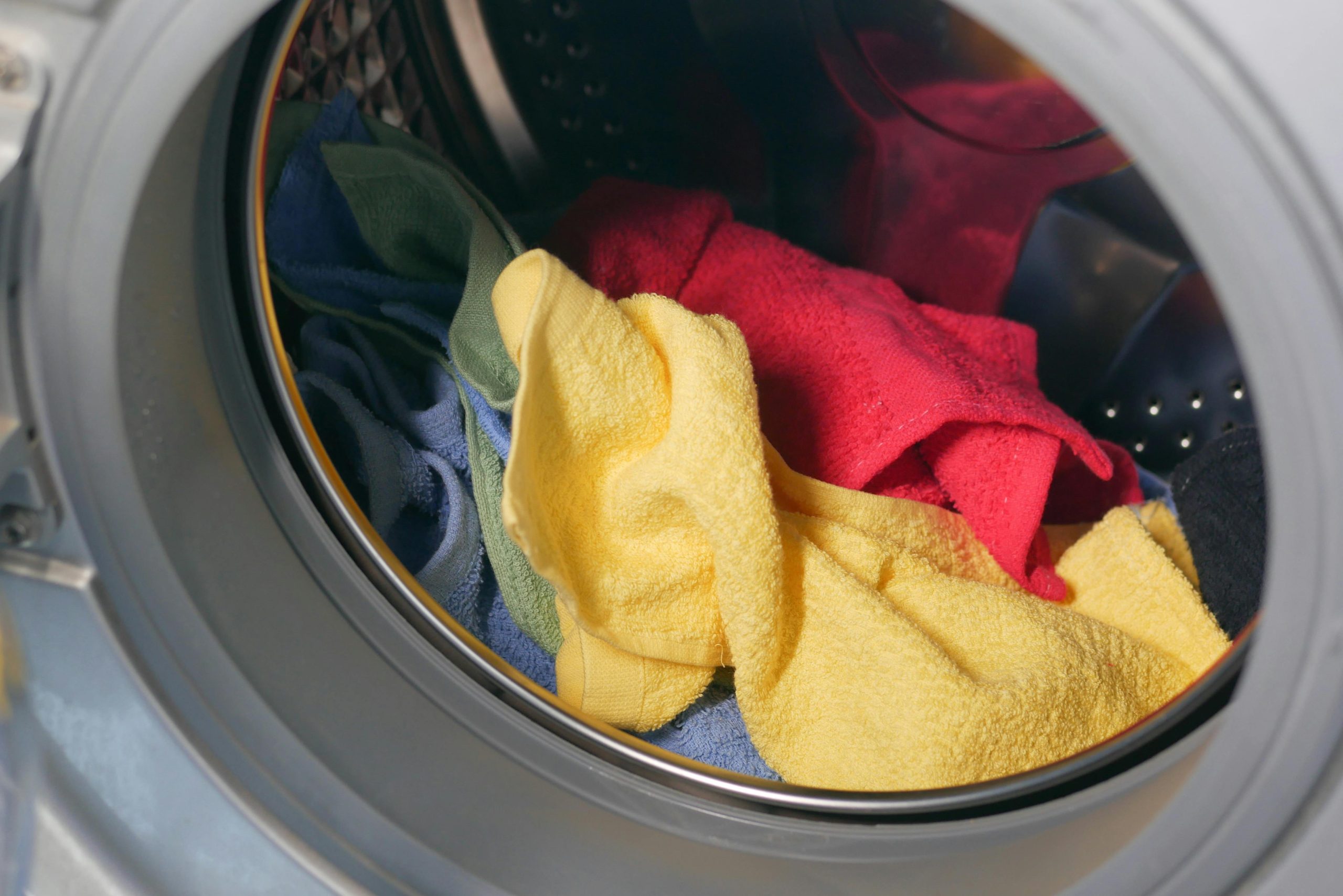
Clean clothes can start smelling bad just sitting in the washer.After the cycle is complete, washed clothes are still vulnerable because they are warm, damp and packed together. In busy American homes, it’s common to get a load started before work, errands, dinner or school pickup and forget about it for hours. That delay can cause the familiar sour smell that makes people rewash the whole load. That smell is especially likely to cling to heavy cottons, towels, jeans and workout clothes. Move the laundry to the dryer or drying rack soon after washing to retain the fresh scent. A splash more detergent may be a lot less helpful than a phone reminder.
Tossing Sweaty Clothes Into a Closed Hamper
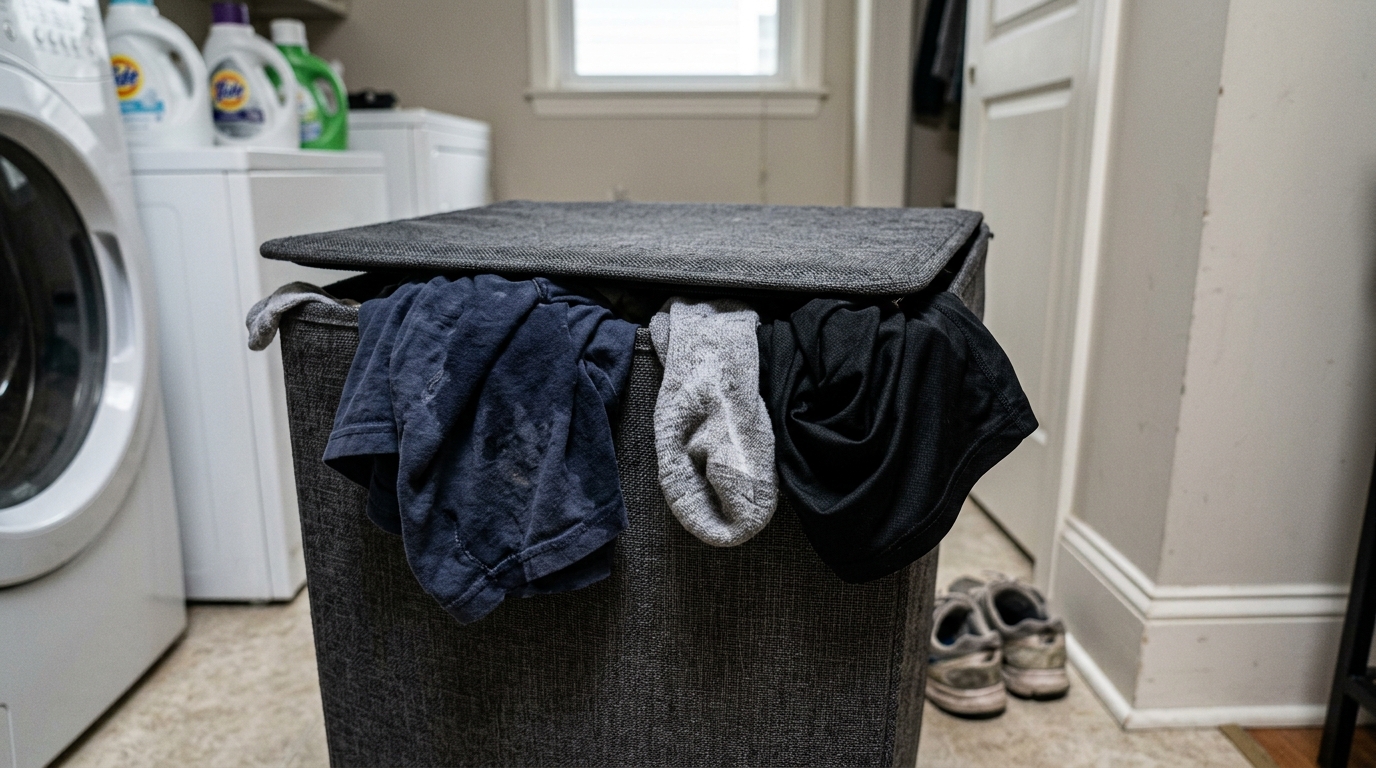
The hamper may make the laundry smell worse before washing.Closed hampers are good for hiding clutter, but they can also trap moisture and the smell of sweat. In many American homes workout clothes, socks, kids’ uniforms, cleaning rags and wet dish towels all go into the same basket. Odours will pass from one item to the rest before laundry day if that hamper lid is tight or ventilation poor. A breathable basket, a separate place for wet items, or a quick pre-dry habit can prevent the smell from building. This is especially important in warm laundry rooms, small apartments and closets where air circulation is poor. Dirty laundry is waiting. Fresh laundry starts with it.
Mixing Cleaning Rags With Regular Clothes
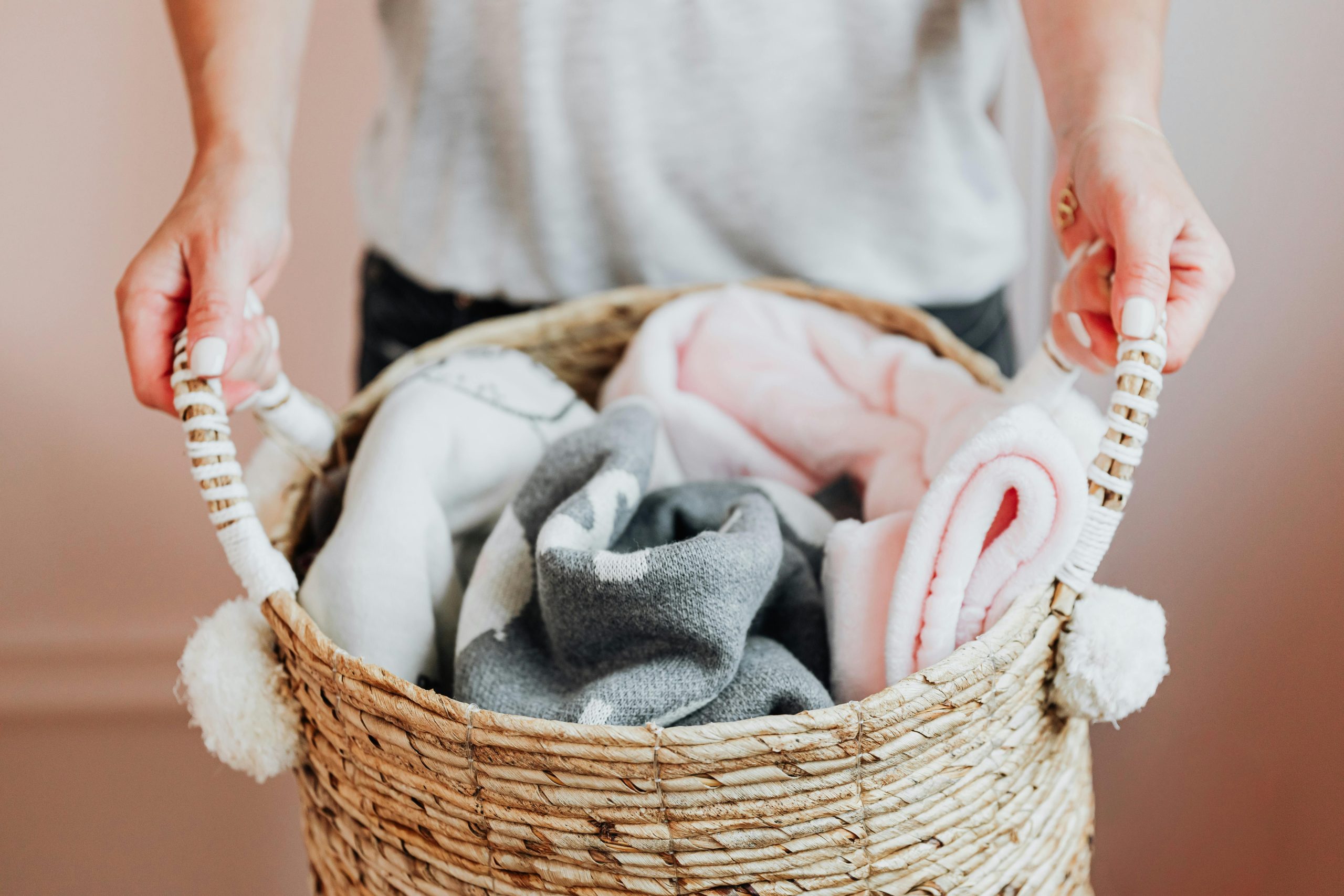
One dirty rag can change the smell of an entire load.Cleaning rags, dish towels, microfibre cloths, mop pads are often loaded with grease, food odour, soap residue, smell of cleaning products. That smell can go through the load instead of disappearing when tossed in with shirts, pillowcases or bath towels. A single greasy stovetop rag or sour kitchen towel in the typical American kitchen can leave ‘clean’ fabric smelling less than fresh, If the care label allows, use hot water. Wash heavy-use rags separately. Let wet cloths air dry before putting them in the hamper. It’s not about perfection, it’s about the strongest sources of smell not sharing space with everyday clothes.
Putting Clothes Away Before They Are Fully Dry
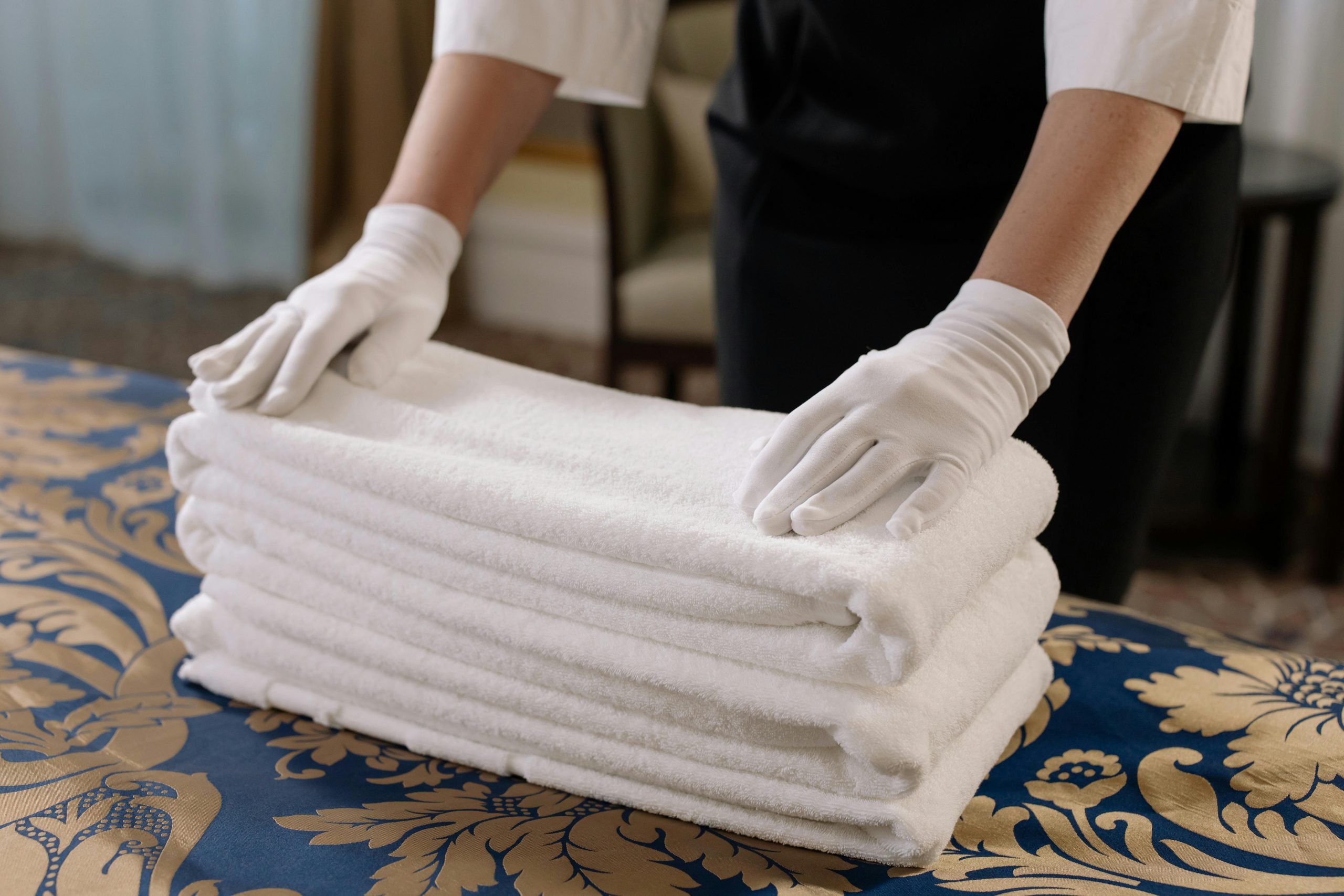
The fresh laundry can lose its smell in the drawer.Warm clothes may seem “dry enough,” but the heat can hide trapped water in waistbands, towel seams, hoodie pockets, thick socks, and folded cotton. If those items go directly into a closet shelf, drawer or laundry basket, the moisture trapped inside can lead to a musty smell later. This is most common in US homes with large towels, bedding, jeans and athletic wear. Thick items can be cooled for a minute, and if the seams or a short extra dry cycle are needed, they can be run. That musty drawer smell can be eliminated. The final freshness test isn’t the beep of the dryer, it is whether the fabric is actually dry before putting it away.