Many U.S. homes feel like they have endless dust because it’s not always how often people clean, but how the dust moves around. A dusty HVAC vent, cluttered surfaces, a ceiling fan cleaned too late or a dry cloth can quietly send particles right back into the air after the room looks finished. This gallery examines the often-overlooked cleaning habits that can make shelves, TVs, bedrooms, bathrooms and living rooms look dusty quicker than you think. Each slide covers a visual mistake, why it matters and the small change that can keep a home cleaner longer without adding to the workload of cleaning day.
Dusting After Vacuuming Sends Particles Back Down

The clean floor might be the first reason dust is coming back In many homes in the United States, people vacuum or mop first, because the floor looks like the biggest chore. The problem is, when you dust shelves, ceiling fan blades, lamps, blinds or TV stands, fine particles can be kicked up and fall straight down on the surface you just cleaned. This makes the room feel dusty again sooner even when the cleaning was recent. A better habit is to work from top to bottom, ceiling fans, vents, shelves, counters, furniture and then floors last. This may sound petty, but that order lets falling dust settle where it can be swept up at the end, rather than stirred through the room again.
Using a Dry Cloth Can Push Dust Into the Air
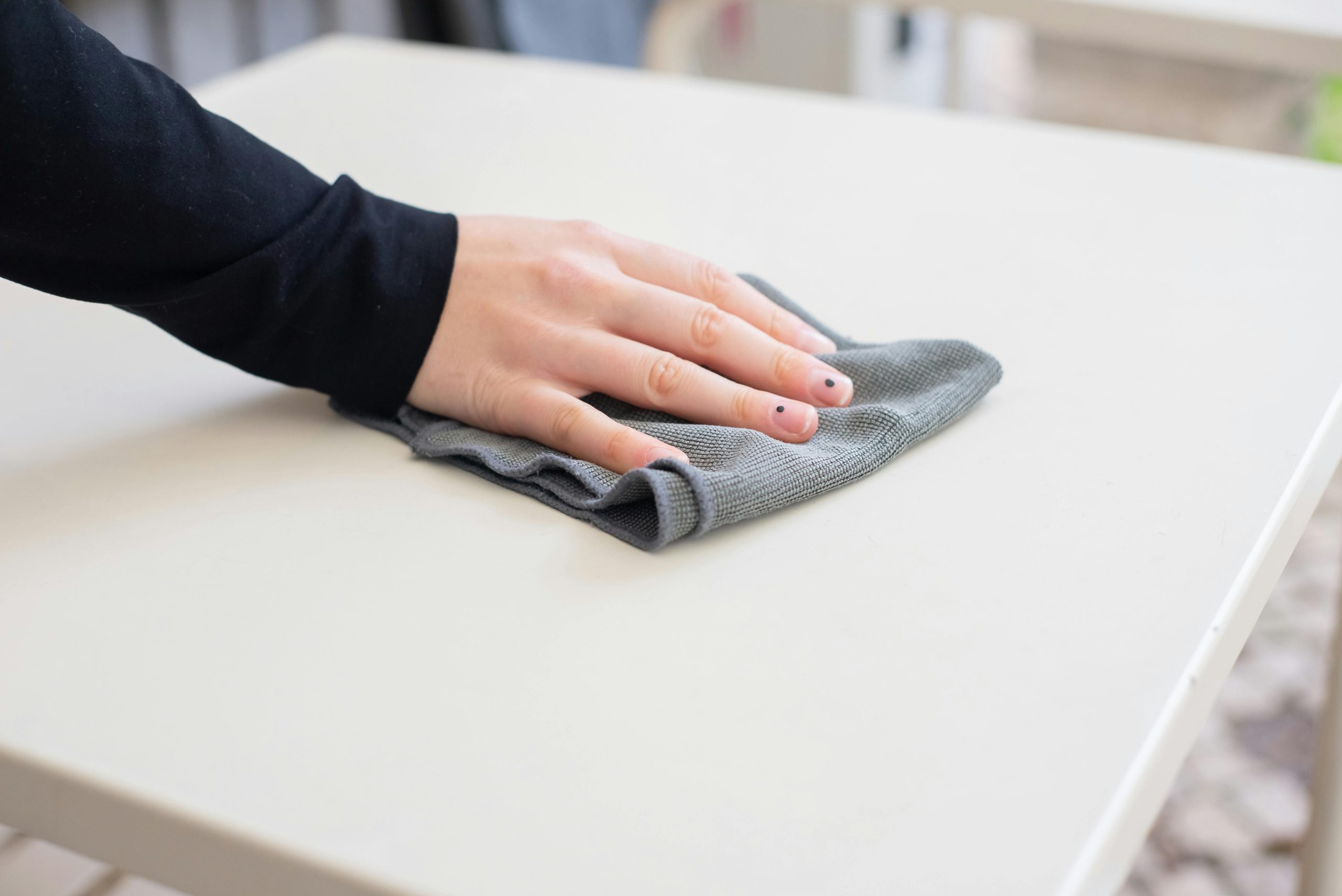
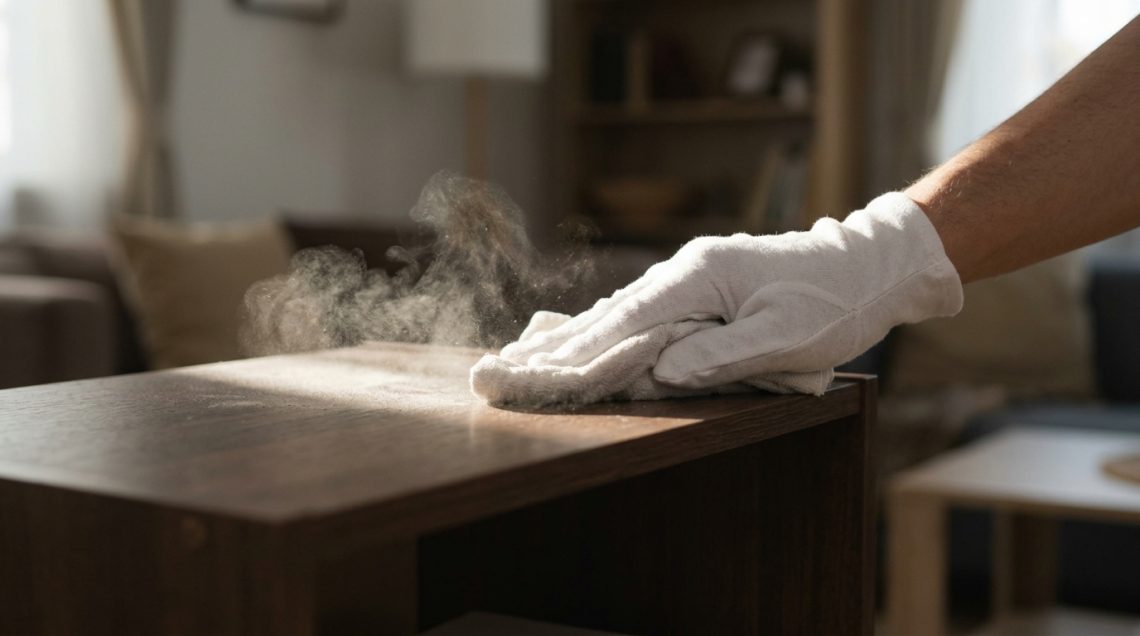
That dry rag may be just disturbing dust, not taking it away. A dry cloth is often the quickest fix, especially on coffee tables, dressers, nightstands and TV screens. But in a lot of American homes a dry rag will just push the dust from side to side, leave streaks behind, or blow lighter particles into the air to settle later. This is why a room might look clean right after you’ve wiped it down, but feel dusty the next morning. A slightly moistened microfiber cloth will generally attract more dust without soaking wood or electronics. For delicate surfaces, clean with the appropriate cleaner or a barely damp cloth. The idea is to entrap dust, not to scrub harder, as it were to give dust another trip around the room.
Cleaning Ceiling Fans Last Spreads Dust Across the Room
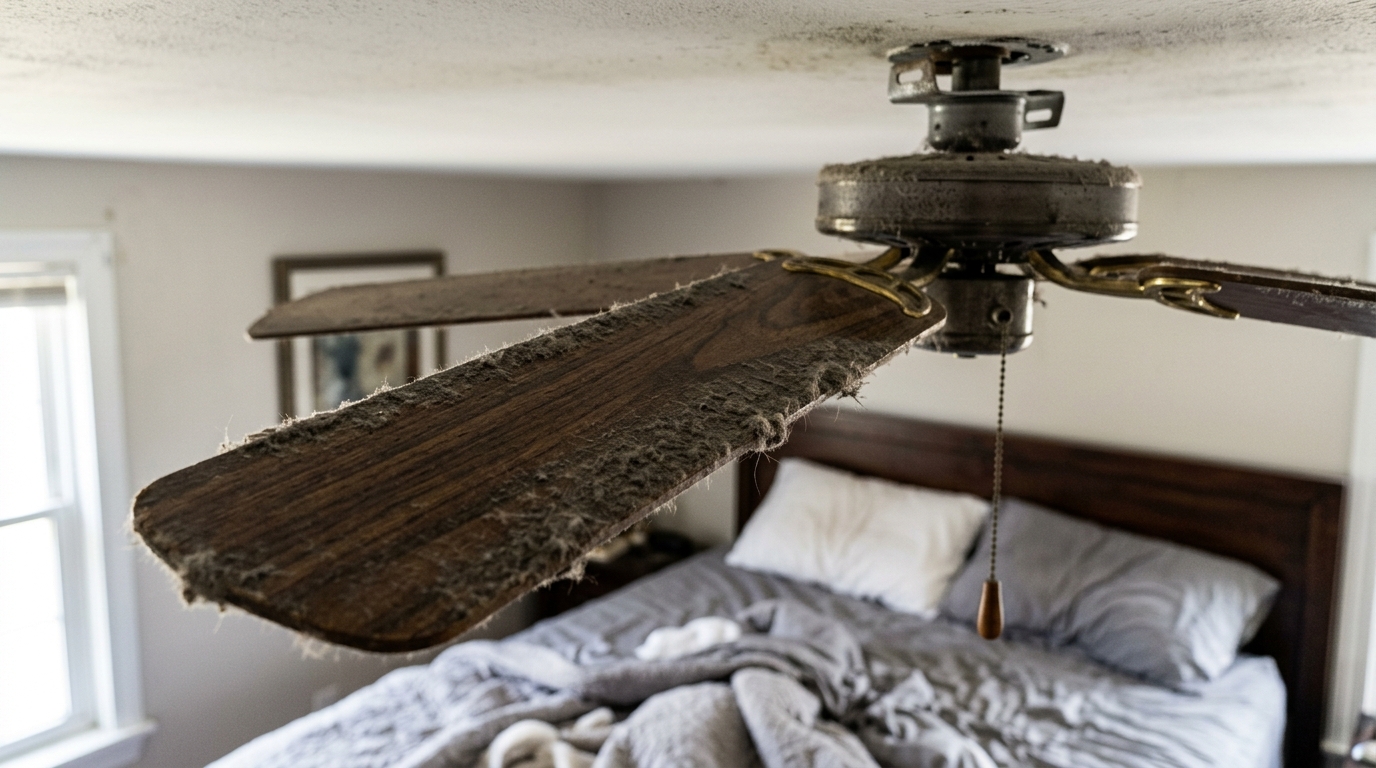
One turn of a dusty fan can ruin half the room. Ceiling fans are often easy to forget about since the dust collects above eye level, especially in bedrooms, living rooms and rental apartments. When the fan kicks on, that buildup can blow or dislodge fine dust onto bedding, couches, rugs, and side tables. Often, cleaning the rest of the room before touching the fan results in those particles falling on newly wiped surfaces. A better tactic is to clean fan blades early and often, using a pillowcase or microfiber tool that traps the dust rather than flinging it around. In warmer U.S. homes with fans running daily, more frequent blade edge inspections can help slow that “I just cleaned this” dust feeling.
Ignoring HVAC Vents Lets Dust Keep Circulating
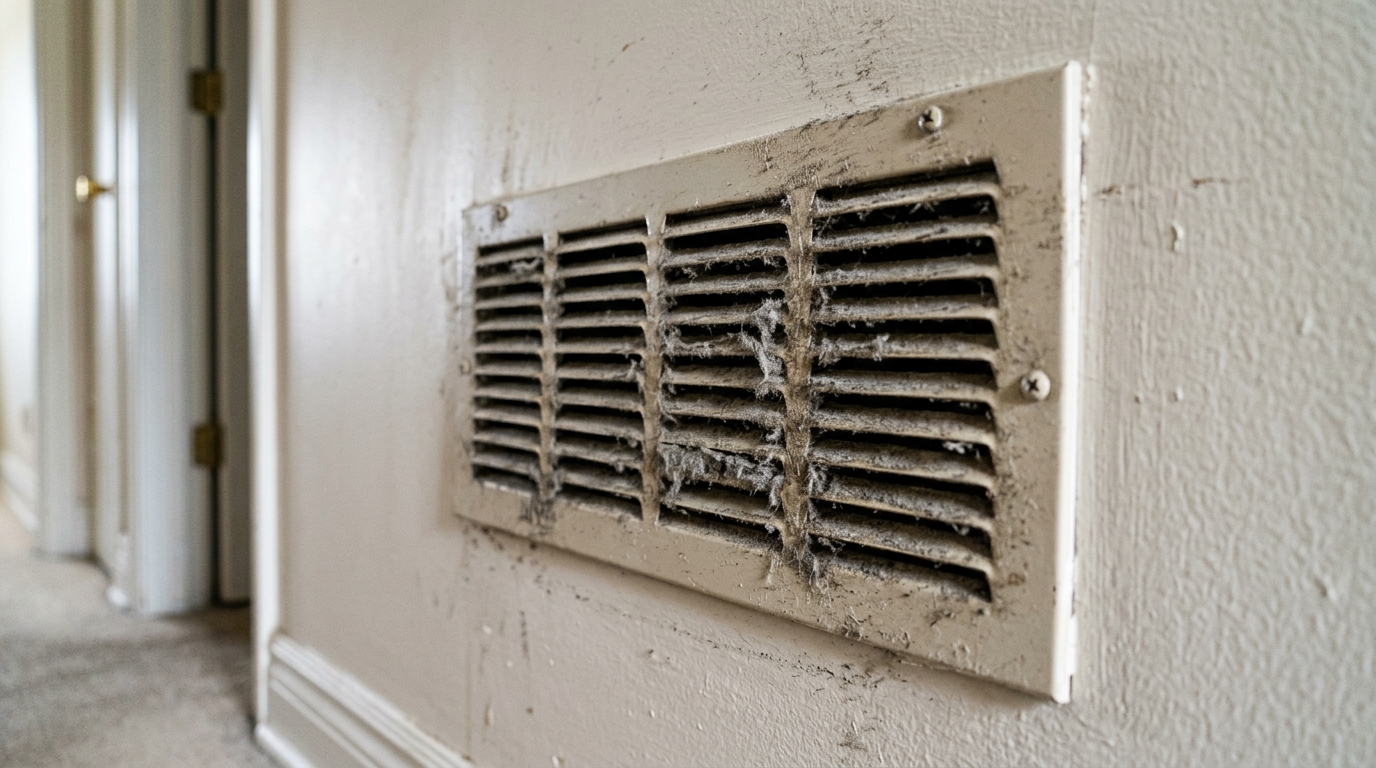
Your vent might be blowing dust back into the room. A visible gray film can build up on vents and return grilles in many U.S. homes with central heating and air, for example. The air blowing through a dusty vent can make it appear that dust is accumulating faster on nearby surfaces, such as TV stands, hallway tables, bedrooms, and baseboards. That’s not to say the whole system is a bust, but it does mean you shouldn’t skip over the vent when you’re cleaning it out on a regular basis. Wiping down vent covers, gently vacuuming grille openings and checking the HVAC filter on schedule can help reduce the amount of loose dust being pushed around. A clean shelf helps, but dusty airflow can reload the room.
Dusting Around Clutter Leaves Hidden Dust Pockets
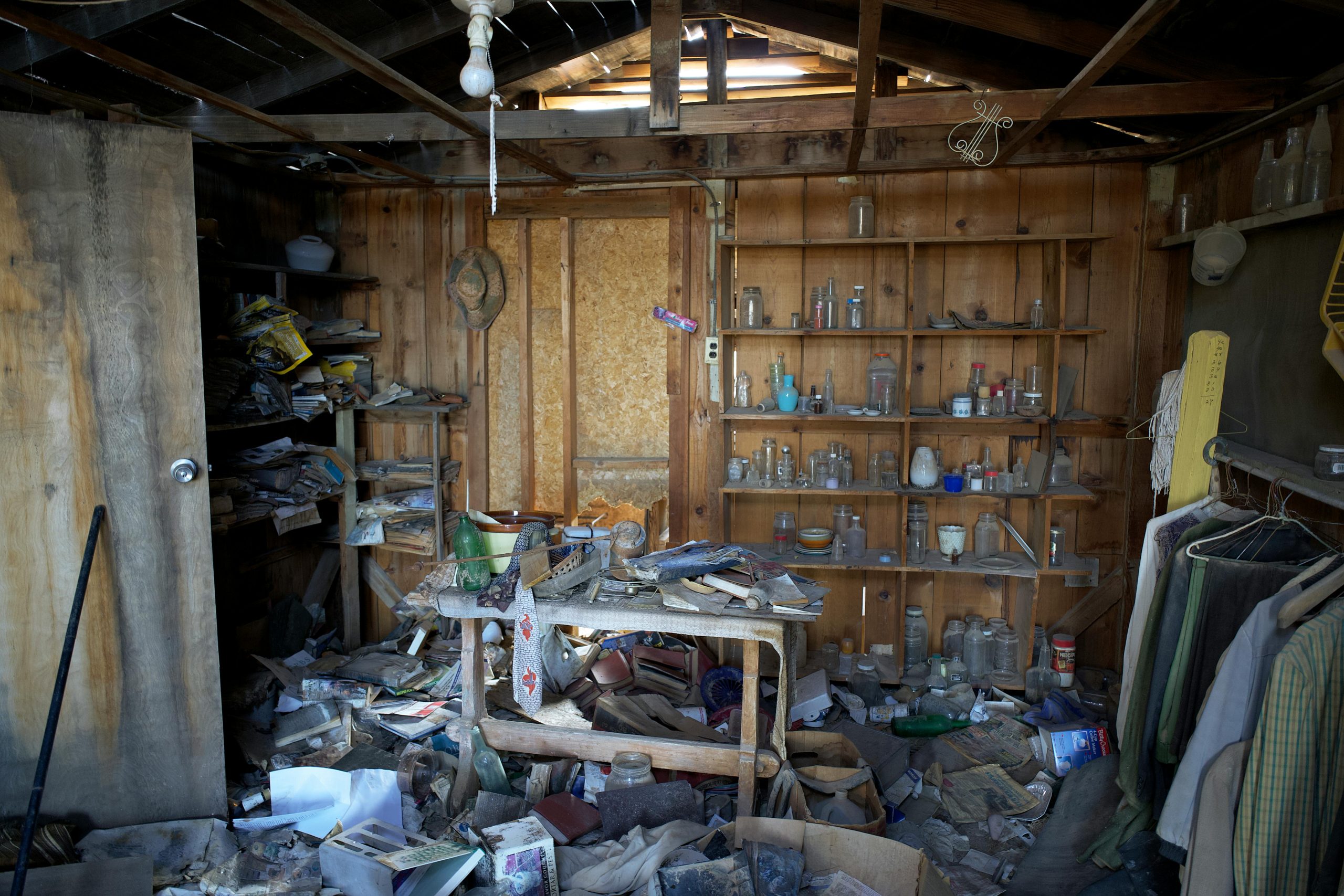
Leaving a bit of dust on surfaces speeds up the job. Clutter creates tiny dust pockets around candles, chargers, mail, keys, bottles and decor on dressers, nightstands, kitchen counters and entry tables. People only clean the open spaces because it looks like a lot more work to move everything. The surface looks better for a day but there is still dust around the edges of objects and when items move it spreads again. It works better to clear one small area at a time rather than trying to declutter the whole room in an American home. Lift things, wipe under things, don’t crowd surfaces that get dusty fast. Less surface clutter is not only cleaner looking, but it also makes it easier to actually get at the dust.
Shaking Rugs and Throws Indoors Reloads the Room
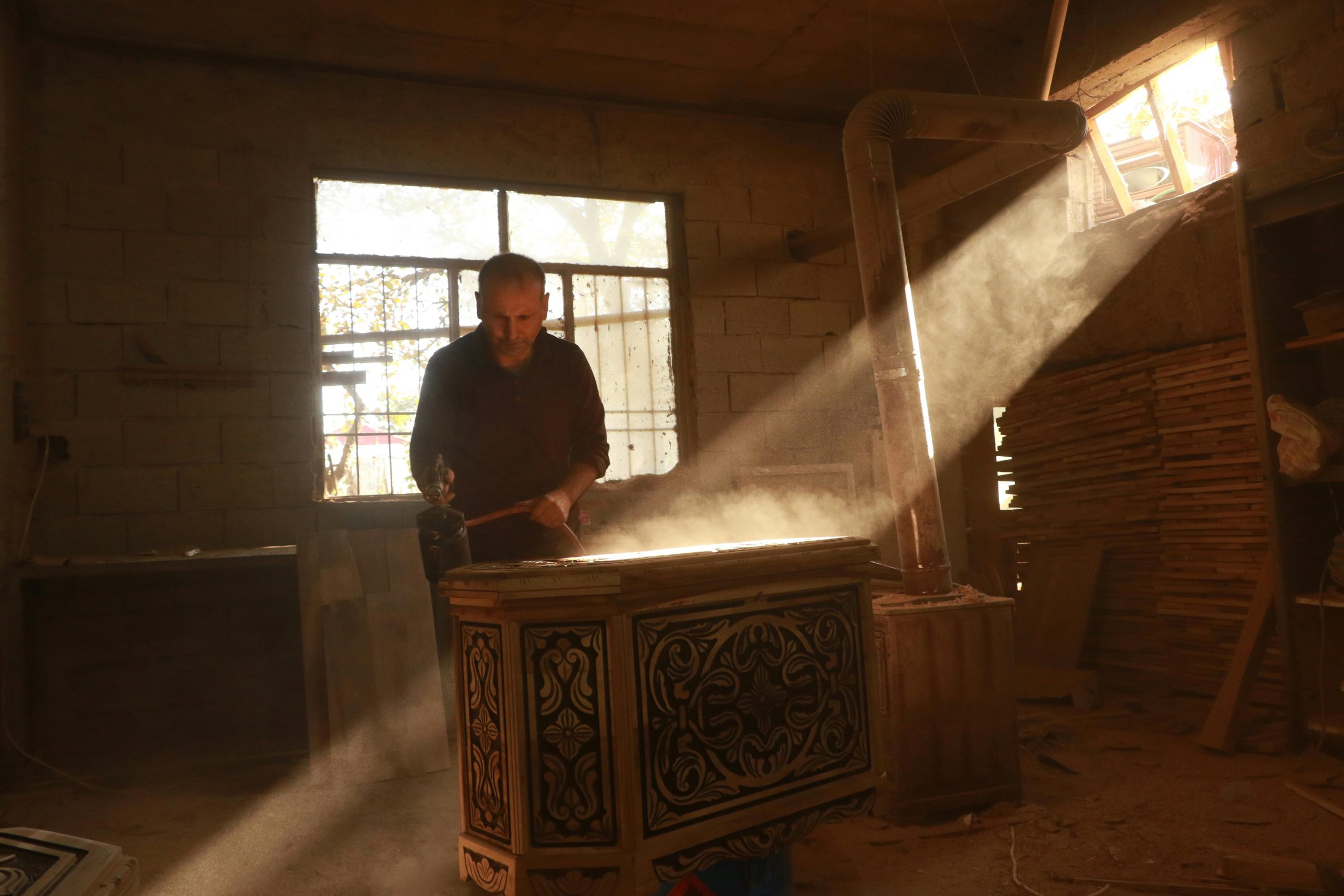
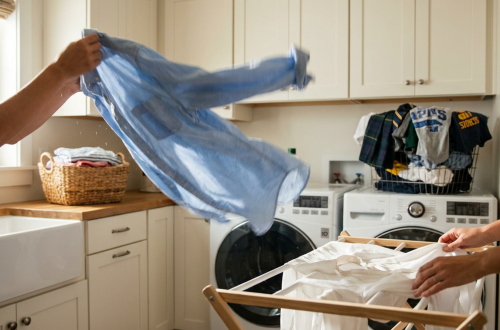
Shake a throw inside and dust the whole room again. Throws, small rugs, couch pillows, and pet blankets can gather dust, hair, lint, and crumbs without looking dirty. Those particles can drift onto coffee tables, lamps and floors, shelves and upholstery when shaken indoors. And that’s why a living room can seem dusty just moments after someone “freshens up” the couch. In many U.S. homes it’s better to shake washable fabrics outside, vacuum rugs slowly and launder throws when needed instead of snapping them in the room. This is particularly important in homes with pets, children, open windows or carpeted areas where soft surfaces can quietly trap dust between days of cleaning.
Forgetting Baseboards Lets Dust Crawl Back Into View
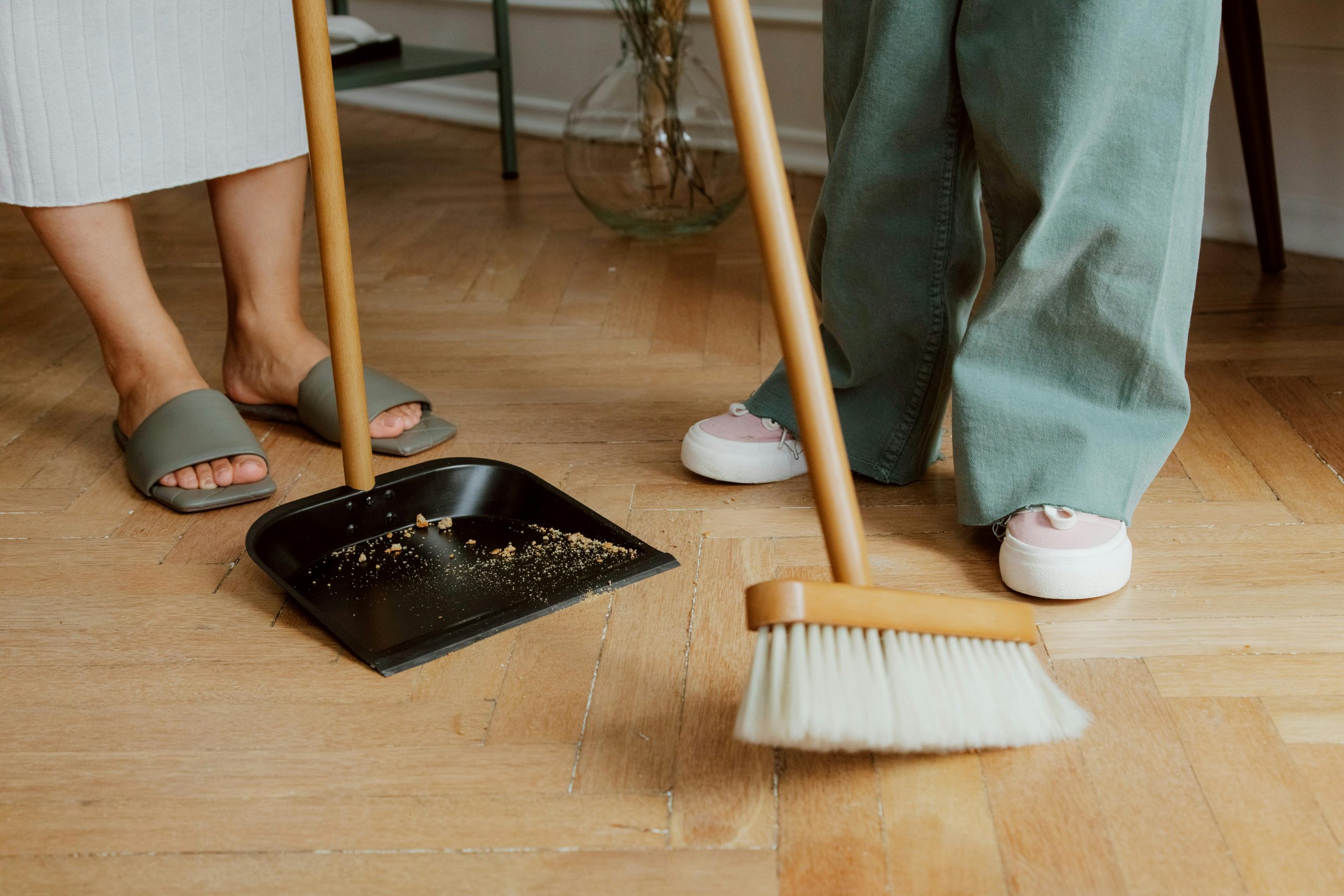
A dusty baseboard can make the entire room look dirty. Baseboards are often overlooked because they are below the main cleaning area, but they collect dust, pet hair, lint, and floor debris along the edge of the wall. That gray line can make a room look dusty even after floors are vacuumed, in older homes, rental apartments, and busy family spaces. Air moving from vents, doors, fans, or foot traffic can blow that dust back onto nearby flooring. A quick pass with a vacuum brush attachment or microfiber cloth can make a world of difference. The trick is to not wait until the baseboard is dark. Regular cleaning of the trim makes the room look cleaner and keeps dust from collecting in a visible line.
Vacuuming With a Full Dust Bin Can Blow Fine Dust Back
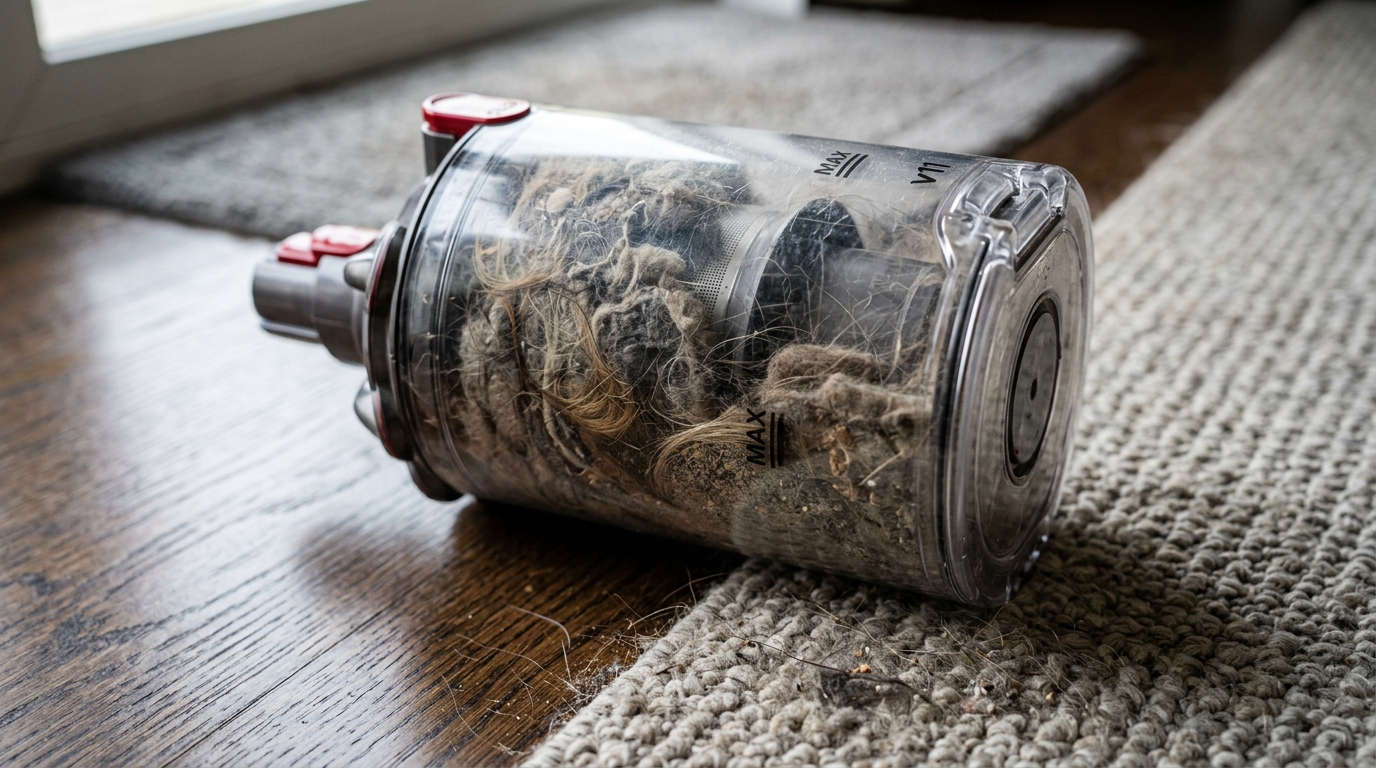
Cleaning appears pointless in a complete vacuum. A vacuum with a full dust bin, a clogged filter, or a tangled brush roll can still make noise and leave lines on the carpet, but it might not pick up dust as well. In many American homes people wait until the bin is overflowing before emptying it, especially when doing a quick clean up. This can decrease suction and leave fine dust, lint and pet hair on rugs, stairs and floors. Empty the bin before it gets clogged, clean or replace filters as recommended and check the brush roll. This can help the vacuum do its real job. If dust appears to reappear fast after vacuuming, the machine itself may be part of the problem.
Leaving Windows Open During Dusty Times Brings More In
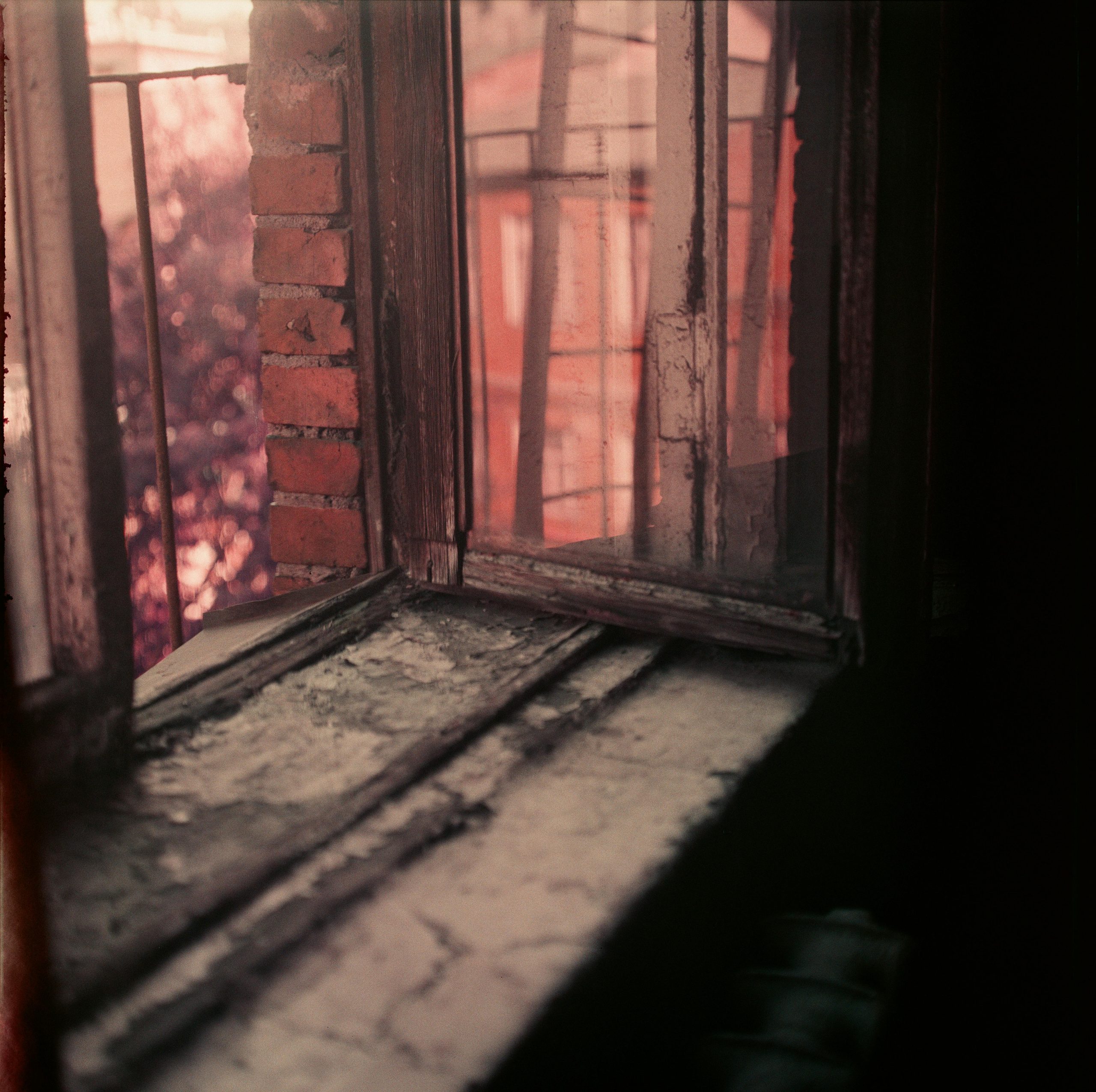
Dust can come with fresh air. Opening windows can help a room feel fresher, especially on mild mornings or after cooking, but it can also bring in pollen, road dust, lawn debris and outdoor particles. If you live near busy streets, construction sites, dry yards or heavy spring pollen, you may find dust reappearing faster on windowsills, TV stands, desks and dark furniture. Not that you never open windows, but timing is everything. Checking sills, screens and nearby surfaces can reveal if outside air is contributing to the problem. There’s more that can be done, in many U.S. homes, to cut down on the dust that sneaks back in, including opening windows for a brief period of time and more often and cleaning screens or sills.