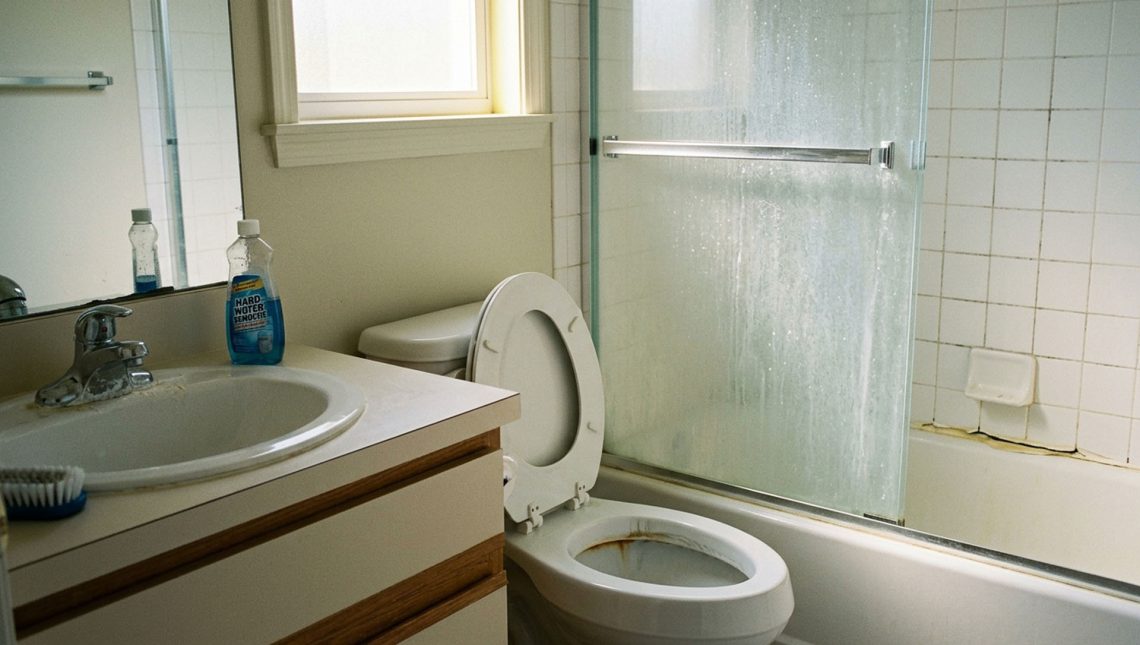
Some stains in the bathroom are not “dirty” as people think. In many American homes, toilet rings, cloudy shower doors, spots on the faucet, grout lines, and tub edges keep coming back. This is because the cleaning routine removes the visible mark but leaves the cause behind. Hard-water minerals, trapped moisture, soap film, worn caulk, poor ventilation and product residue all can make a bathroom look neglected even after a weekend scrub-down. This gallery breaks down the overlooked bathroom cleaning mistakes that silently cause stains to come back, why they happen in ordinary American homes and rental apartments, and the tiny clue to look out for before the same spot becomes a weekly frustration.
Scrubbing Toilet Rings Without Treating Hard Water
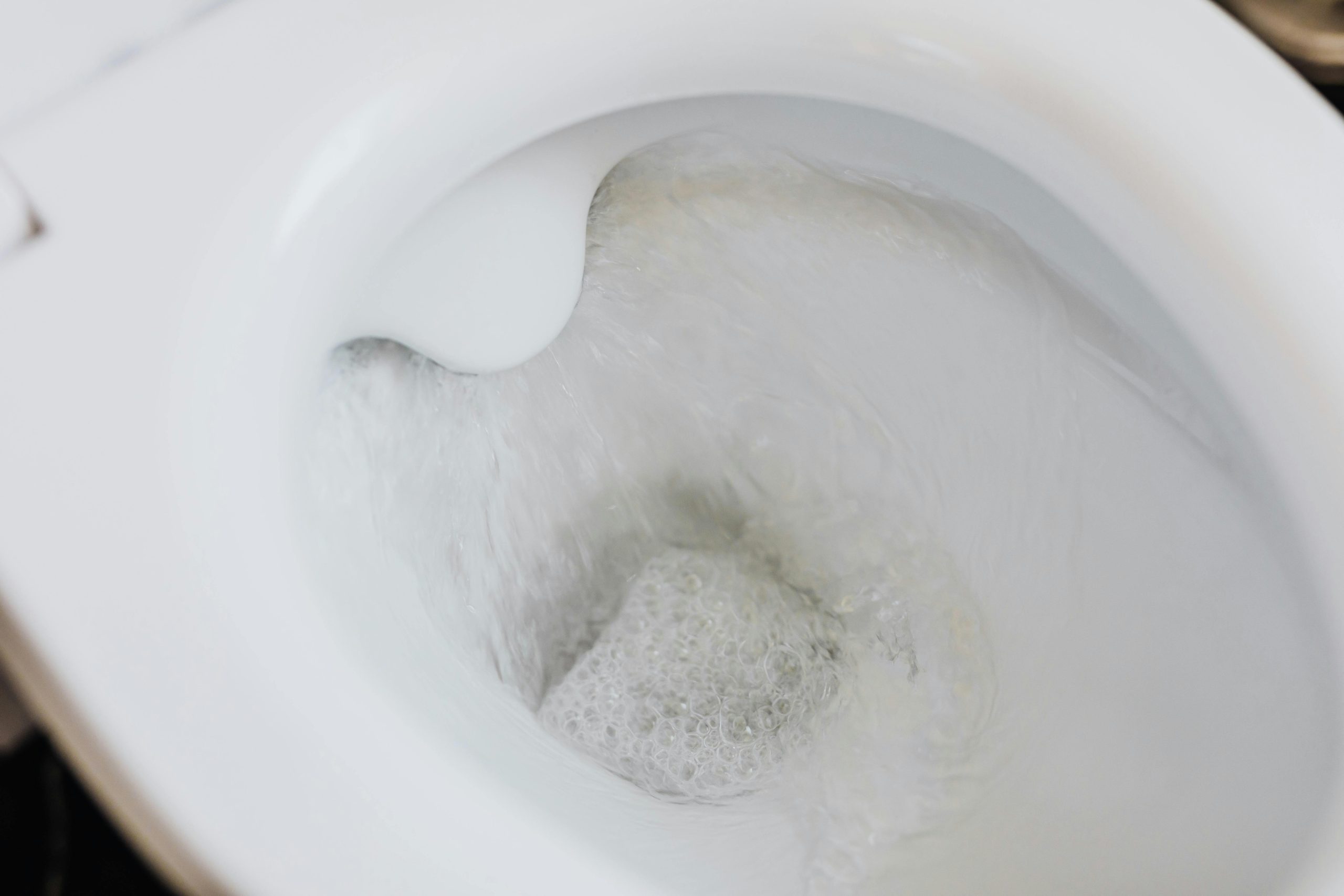
The water is part of the problem and that toilet ring could come back. In many U.S. homes, especially where the water is hard, a toilet ring is often mineral buildup plus residue, not just poor cleaning. The problem is scrubbing harder each week with a cleaner that doesn’t stay long enough to break down the deposit. A quick scrub may make the bowl look better for a day, but the rough mineral coating can remain and pick up new discoloration faster. A quick scrub is not as effective as letting the right toilet cleaner sit for the time the label suggests, then brushing under the rim and at the waterline. If the ring returns quickly, the hint might be the water itself, not just the cleaning routine.
Wiping Shower Glass Before Breaking Down Soap Film
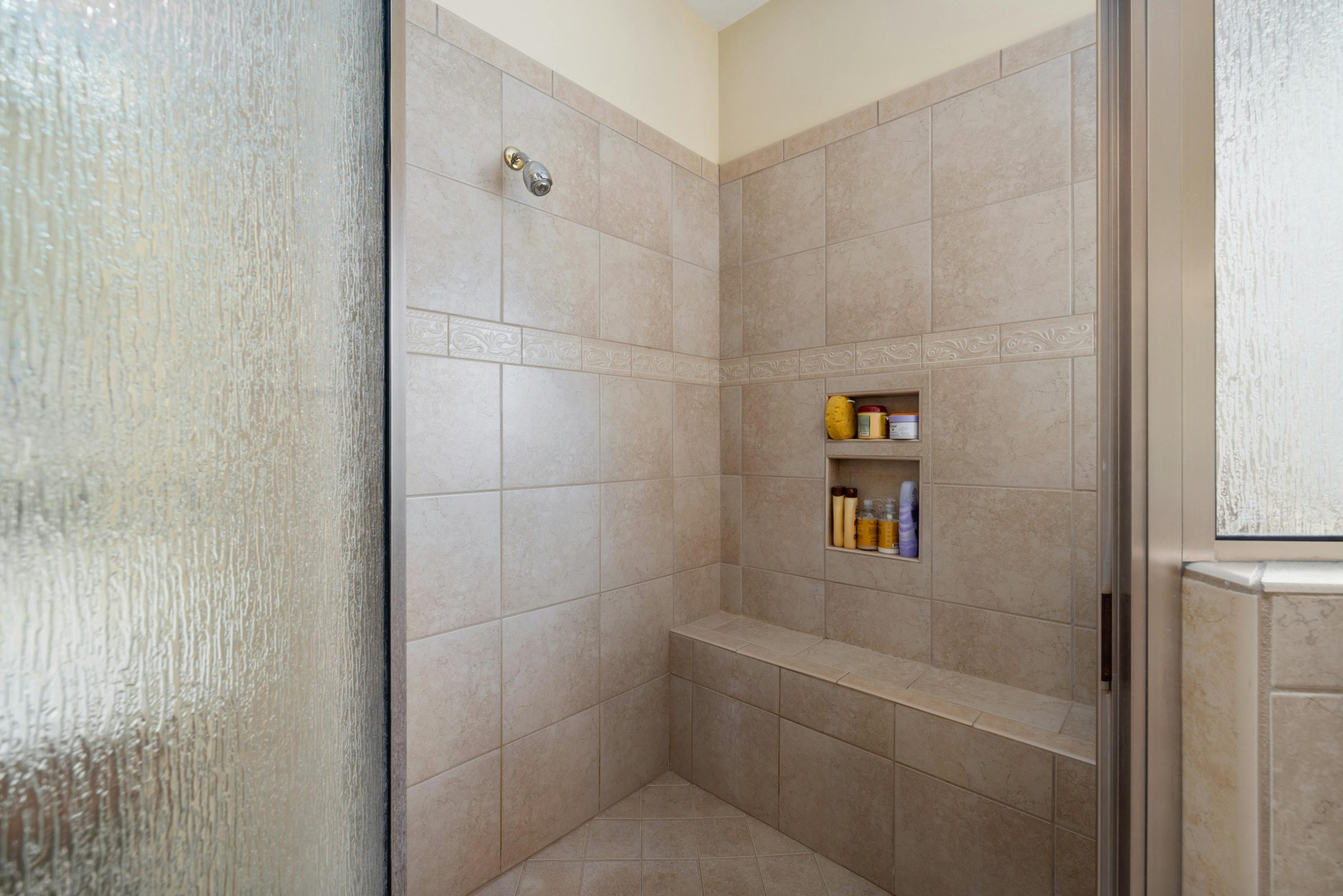
The film was just smeared around and the shower glass can look dirty again. Cloudy shower glass is another common bathroom mistake that people think is just a smudge on the mirror. Shower doors in many American bathrooms are subjected to body wash residue, shampoo film, minerals, and even steam moisture all at once. If you spray a general cleaner and wipe too fast, the surface may shine when it’s wet but dry to streaks again. The useful clue is the dull white haze that reappears as the door dries. If you have enough dwell time, a cleaner formulated for soap scum or mineral buildup can help loosen the layer for wiping off. And a squeegee after showers matters because it removes water before minerals dry into new spots.
Cleaning Faucets but Leaving Water Around the Base
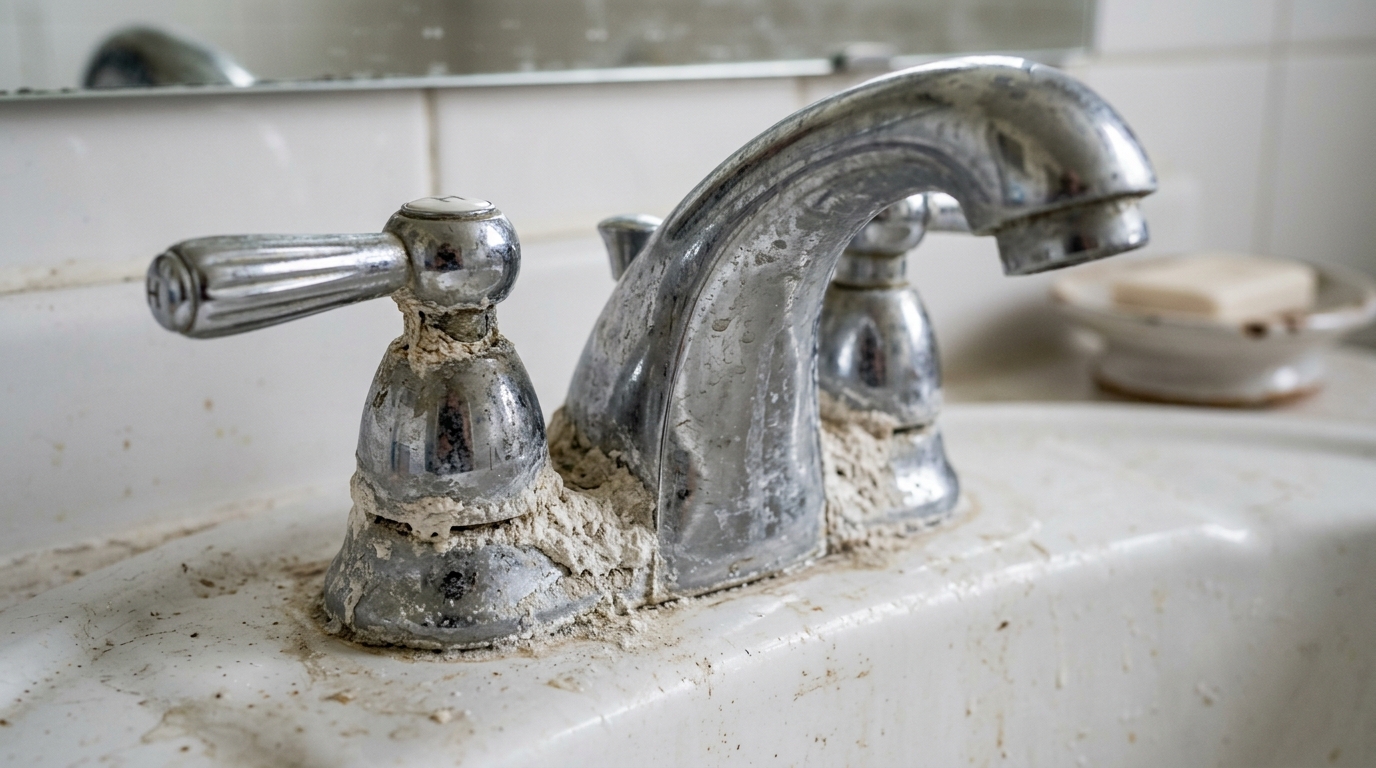
Faucet spots are often back because the base is still wet after cleaning. In a typical American bathroom, faucet spots are often back because the last step is overlooked: wiping the area around the base. While a quick swipe may leave chrome handles looking clean, water left where the faucet meets the sink can dry into white rings and crusty mineral lines. This is particularly true in older homes, rental apartments and bathrooms with a lot of hand washing use. The error is to clean only the visible top surface, but to ignore the tight seam behind the faucet and around the handles. A small detailing brush or cloth edge will remove build-up but drying the base afterwards is what helps slow the repeat stains.
Spraying Grout Like Tile and Expecting It to Stay Clean
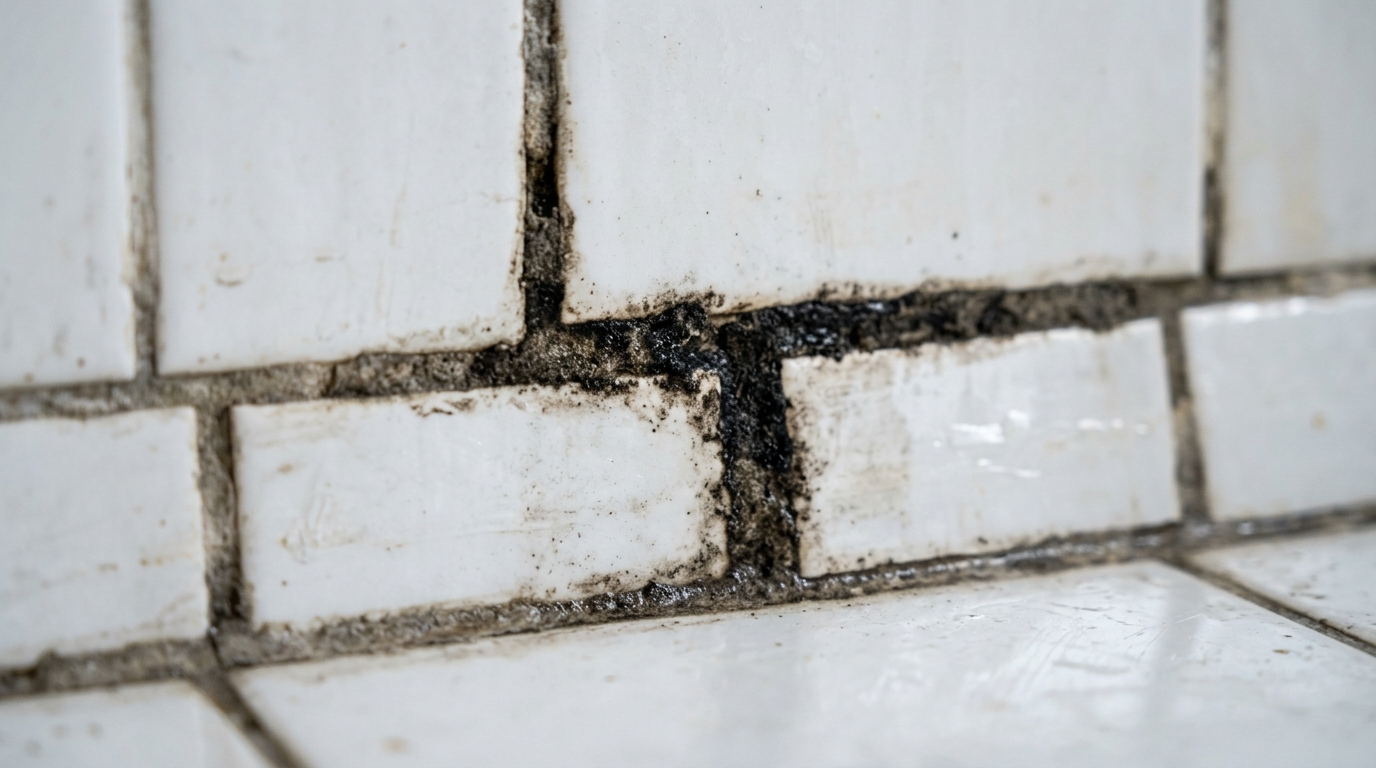
Grout stains can keep reappearing because grout is not the same as tile Many people spray the whole shower or bathroom floor, wipe the tile and figure the grout got cleaned too. Grout is more porous than glazed tile, so moisture, soap film and dirty mop water can get into the lines. In many U.S. homes, particularly bathrooms with older tile, dark grout can come back because the surface was wiped but the line itself was never gently agitated. A soft grout brush and cleaner suited to the material will remove buildup more effectively than a flat sponge. The bigger mistake is using too much water and allowing it to dry in the lines. That can make the grout look dull again after a hard cleaning session.
Ignoring the Caulk Line Until It Looks Dirty Again
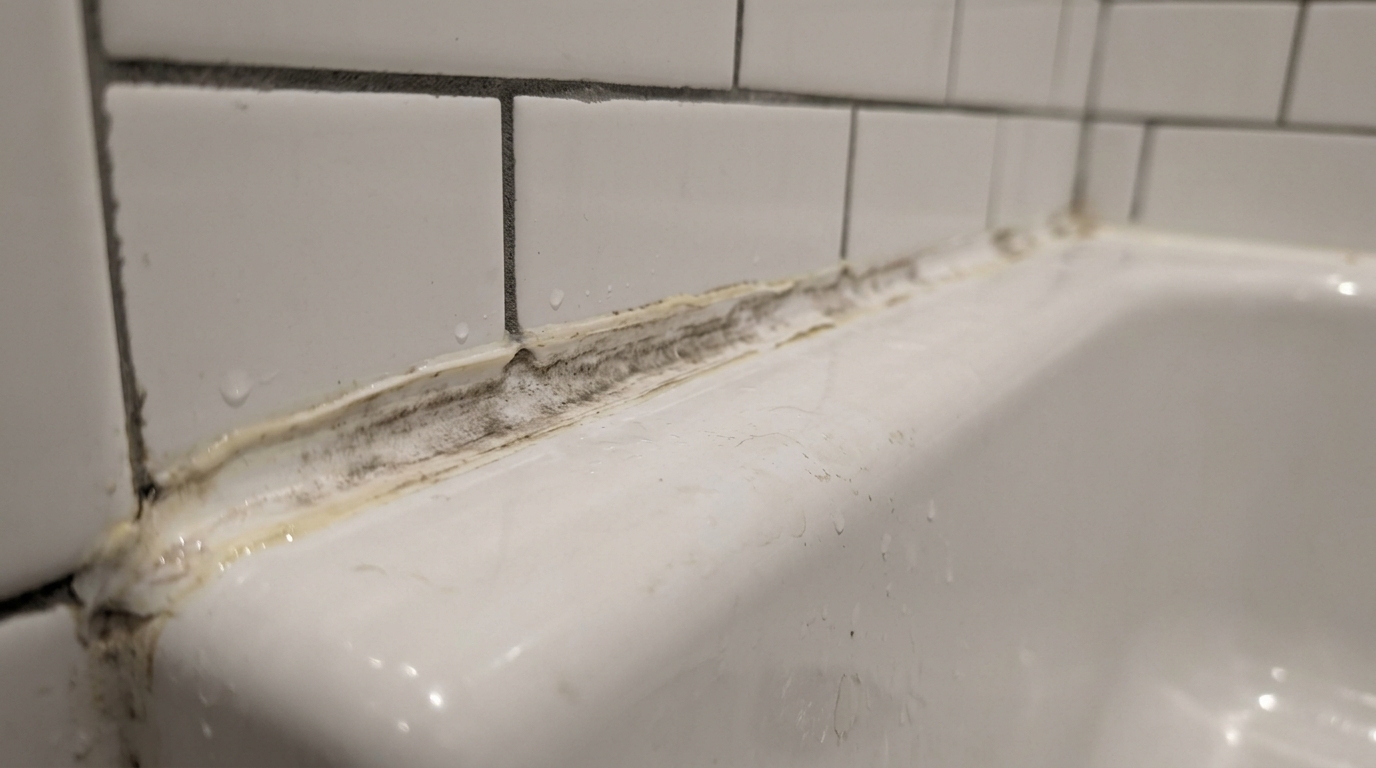
The caulk might be failing, so that tub edge might not clean away. Stains seem to “come back” no matter what cleaner you use, especially in the caulk line around a tub in suburban bathrooms and rental apartments. The mistake is to treat old, cracked or separated caulk as normal grime. If the seal has small openings, water and soap scum can get behind the line and quickly cause gray or dark streaks to reappear. Scrubbing harder can damage the caulk more, and can make the edge look worse. A cleaner may help to reveal staining, but if the caulk is peeling, cracked or pulling away, it could need to be repaired or replaced. The good tip is if the stain is along the seam instead of just spreading randomly.
Using Too Much Cleaner and Leaving a Sticky Film
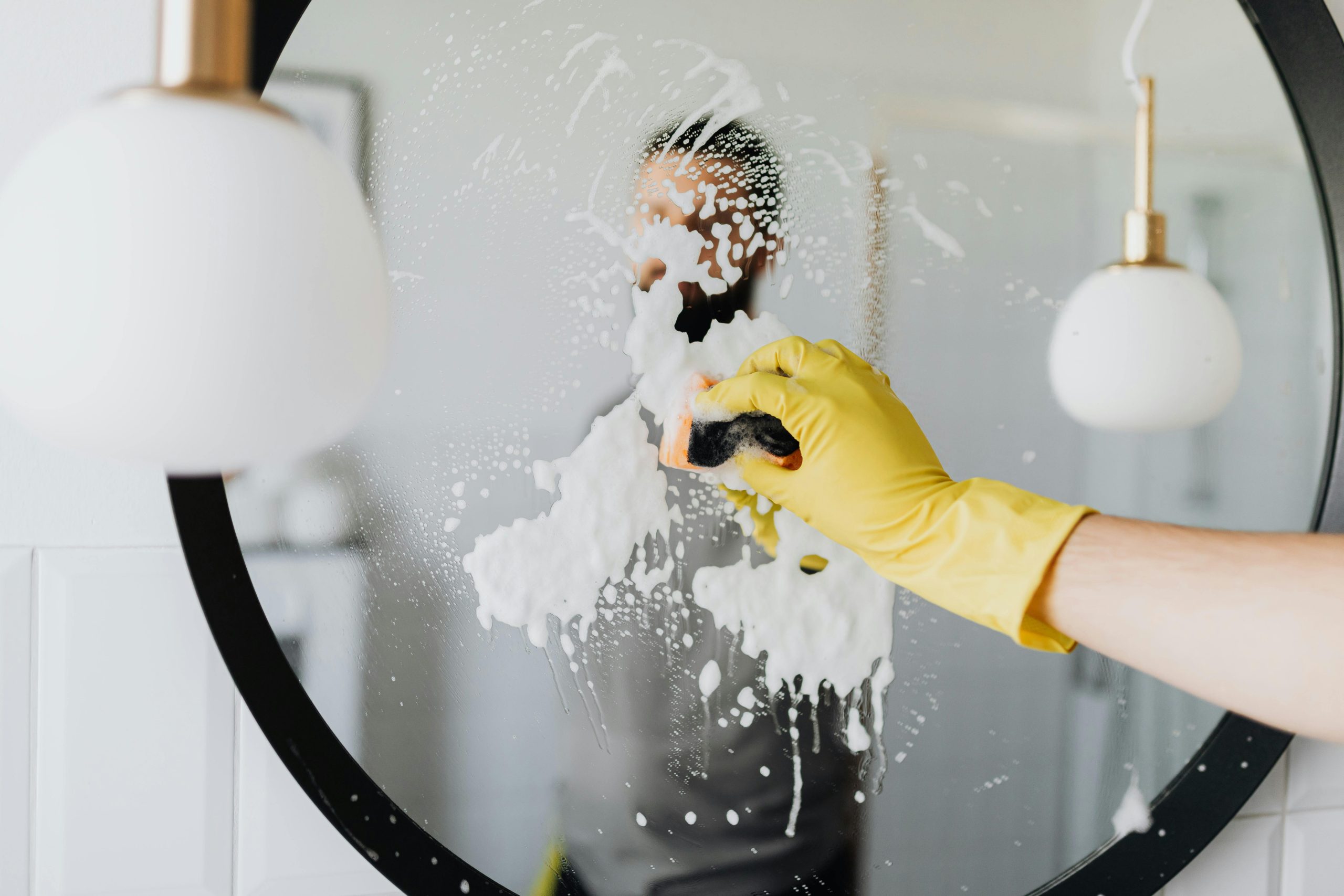
More cleaner will make bathroom look dirty again faster One of the most common mistakes in many American bathrooms is applying extra cleaner to feel more thorough, and then not wiping up the residue. Some products are made to be wiped, rinsed or buffed dry as directed on the label. Too much spray on tile, counters, faucet areas or shower walls can leave a slightly sticky film. That film can collect dust, lint from towels, toothpaste mist and bits of soap, dulling the surface again. More chemicals aren’t always the solution. It may be using less product, giving it adequate contact time, then wiping with a clean damp cloth and drying the surface. Usually, if no residue is left, the shine will last longer.
Forgetting the Bathroom Fan and Trapping Moisture

Bathroom stains can come back because the room never dries out completely In many U.S. bathrooms, the exhaust fan is background noise until stains start returning on grout, caulk, ceilings or shower corners. The mistake is wiping down the visible surfaces and ignoring the humidity that keeps the problem alive. A dust- and lint-filled fan cover can restrict airflow, leaving steam hanging in the air after showers, settling on glass, tile and seams. That moisture can cause soap film to stick more firmly, and may promote musty-looking discoloration in corners. Cleaning the fan cover and running the fan while and after showering can help the room dry out faster. If stains reappear in the same damp areas, you need to check the airflow.
Mopping Bathroom Floors With Dirty Water
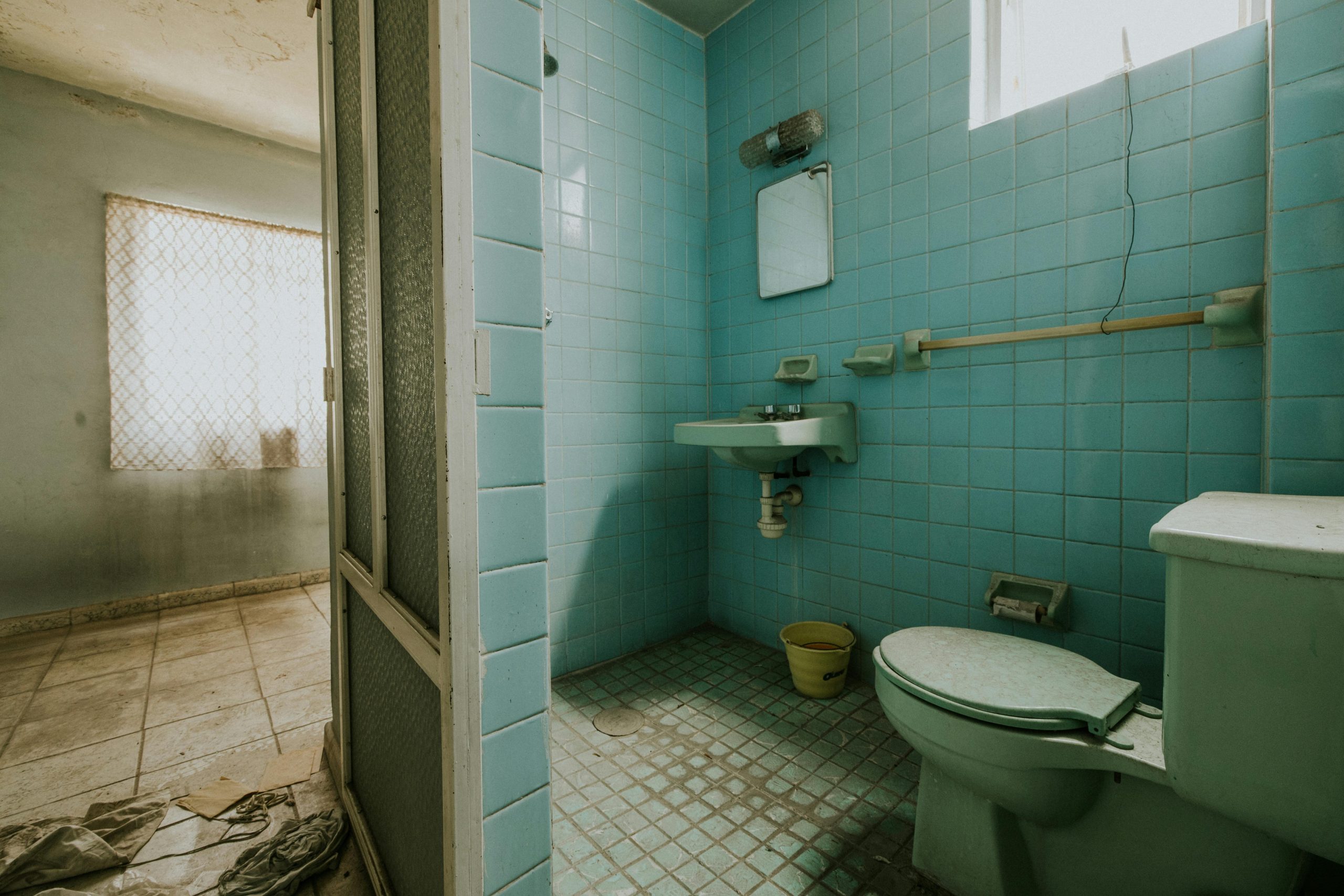
The mop water was part of A bathroom floor can look stained again because Dragging the same mop water around the room can cause floor stains to come back around toilets, vanities and bathroom doors. Counters, mirrors and tub edges are often cleaned first in many American homes, with small bathrooms cleaned quickly and the floor often last. If the mop or cloth already contains residue, hair, dust and cleaner film, it can drag dirt into the grout instead of out. The tile may appear wet and clean, then dry with dull streaks or darker lines. Changing the rinse water, using a clean mop head and not flooding the grout can really help. The clue is a floor that only gets worse when it dries.
Missing the Sink Drain Edge Where Toothpaste Builds Up
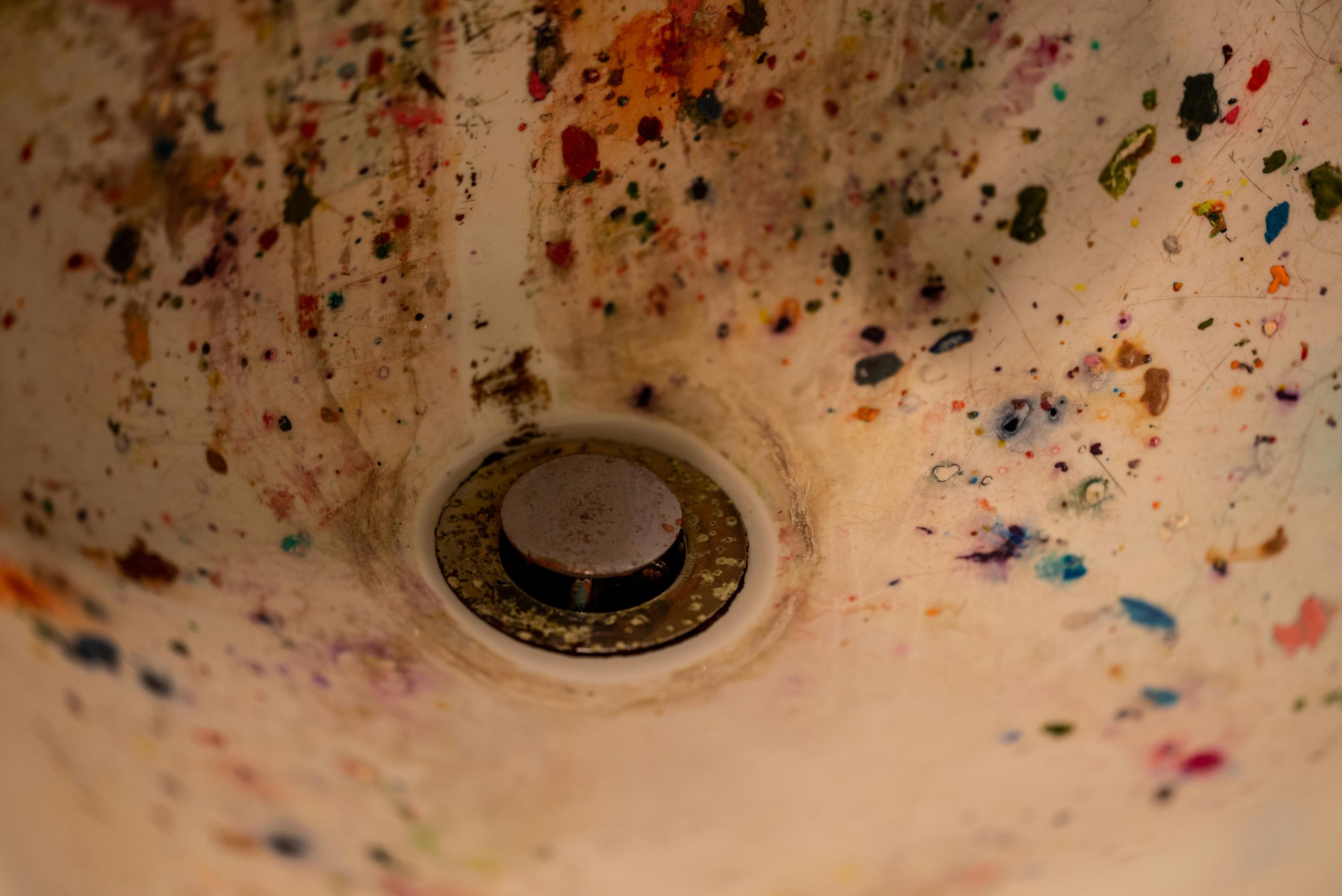
The stain that guests see might be sitting right around the sink drain. The bathroom sink gets a quick wipe over the bowl, but the drain edge can keep bringing back stains. In many homes in the U.S. the minerals in hard water, hand soap, shaving residue and toothpaste foam collect around the stopper and overflow. If that ring isn’t loosened, it can dry into a dull gray or white ring that makes the whole sink look less clean. The mistake is to use a flat cloth that slides over the curved bowl but never reaches the tight metal edge. Take a small brush, cotton swab, or fold of cloth to reach the ring. Drying the sink afterward also helps slow the water spots that make the stain reappear.