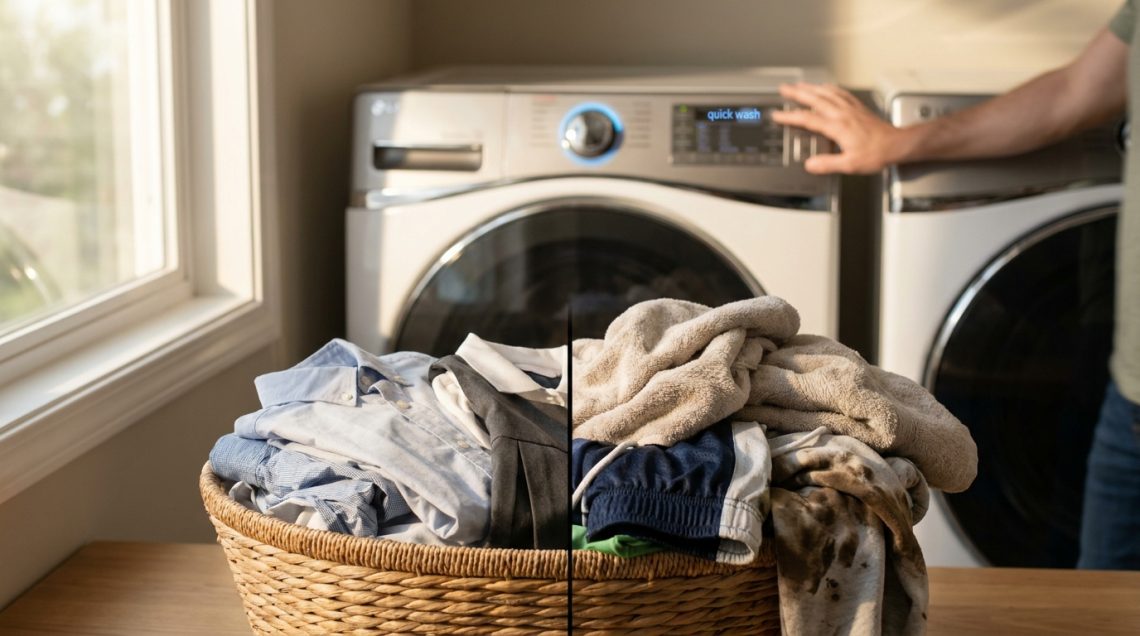
Quick wash can look like the perfect laundry shortcut in a busy American home, especially when you need a shirt, school outfit or small load ready fast. But the fast cycle is not always optimal for every basket. Towels, workout clothes, bulky items, stained items, overloaded washers, may require more time, water movement, rinsing than a short cycle provides. These little checks can help you figure out when a quick wash is useful, when a normal wash is the smarter choice and how to steer clear of laundry that may appear clean but feel not as fresh afterwards.
Quick Wash Is Usually a Refresh, Not a Reset
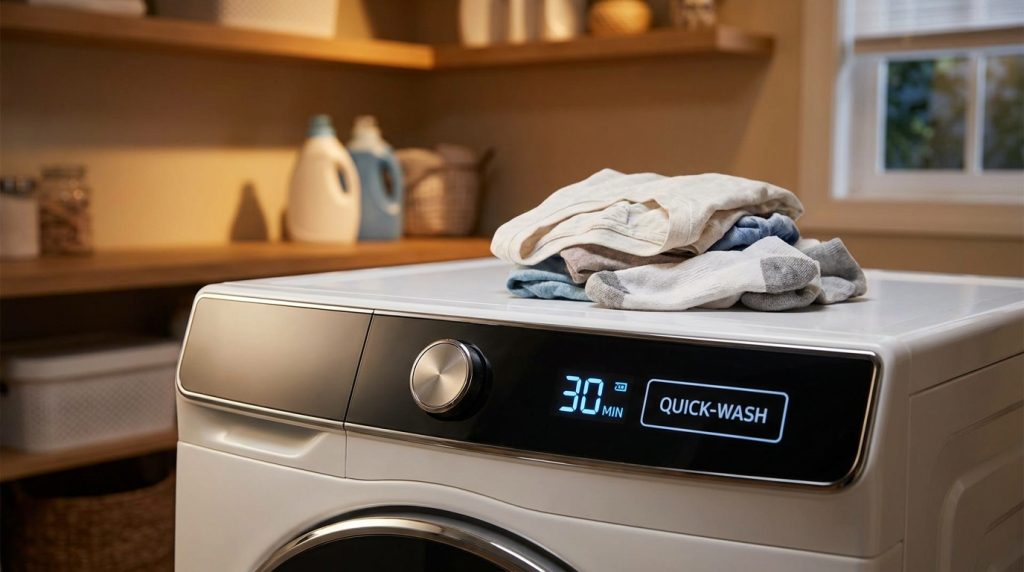
Fast cycle is not the same as a full clean.
Many American homes have quick wash as a standard cycle with a shorter timer. This may be OK for a couple of lightly worn pieces, but is usually best considered a refresh cycle. The load has to be realistic because less wash time can mean less soaking, less movement and less rinse time. Perhaps we’ll have better luck with a shirt that gets worn around the house for a short time than a week of clothes. Make sure items are lightly worn, unstained and not tightly packed. Press start. If the answer is yes, then a quick wash can be a time saving aid. When the basket is mixed, bulky, sweaty or visibly dirty, the normal cycle can give the laundry more space to come out feeling fresh.
Lightly Worn Clothes Fit the Fast Cycle Better
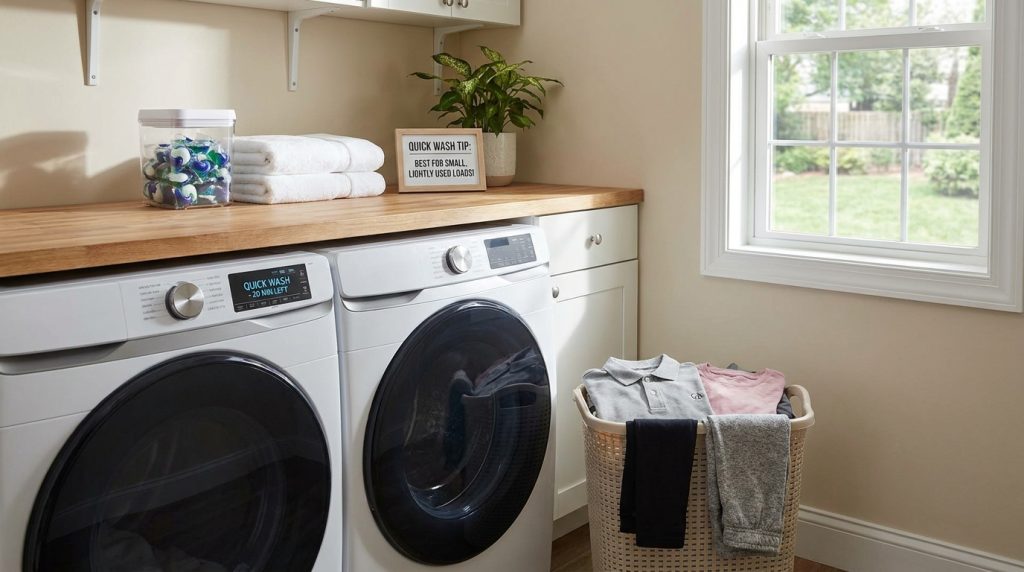
Quick wash makes most sense if you have a tiny load.
Quick wash is most effective when clothes are lightly worn and the load is small enough to move freely. Think a school shirt needed for the morning, a couple of work-from-home basics or clothes worn briefly in air conditioning. The problem with an American laundry schedule is when quick wash is the default for any load. A short cycle doesn’t leave much time to lift everyday body oils, deodorant marks, food spots and outdoor dust. It might still make clothes better, but it may not be fresh for long. A good rule of thumb is to use quick wash on clothes that are “already almost fine”, not on things that need a proper reset. That small difference can save time without turning speed into the laundry habit that quietly disappoints.
Towels May Need More Than a Short Cycle
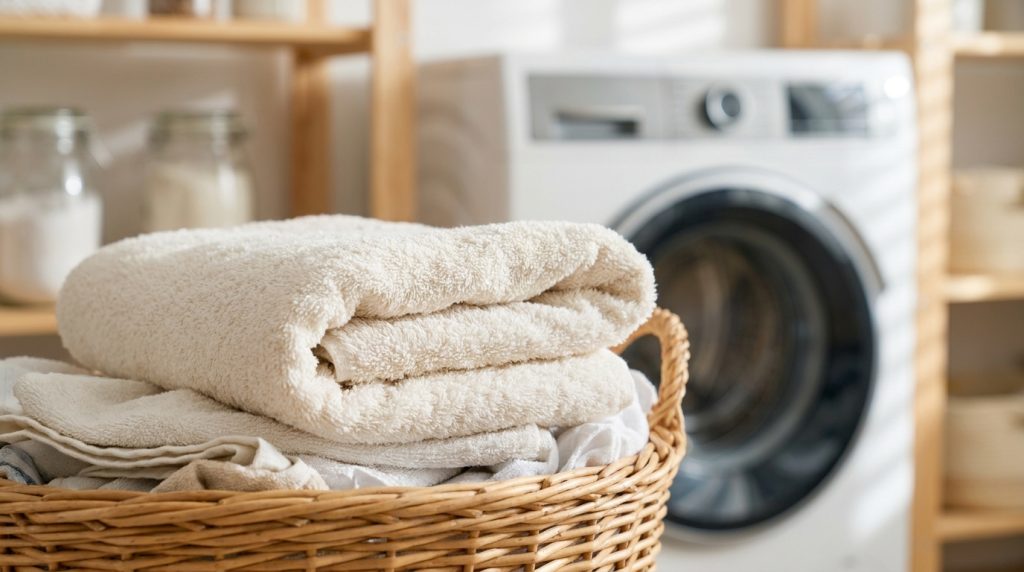
Quick wash can quietly fall down in towels.
Towels are thicker, more absorbent and generally have more moisture and body residue than a lightly worn T-shirt. That makes them a questionable fit for the fast cycle in many homes. People in laundry communities often ask questions about towels , as a towel might appear clean , but then smell less fresh after it is used again . Thick fabric may not have enough time and movement in quick wash especially if the washer is full. Bath towels, hand towels, kitchen towels and gym towels typically require a cycle that offers more wash and rinse time. If towels are in the load it is worth pausing and thinking before you choose speed. The normal cycle might take a longer period, but it can be the better fit for freshness.
Soil Level Can Matter More Than Load Size
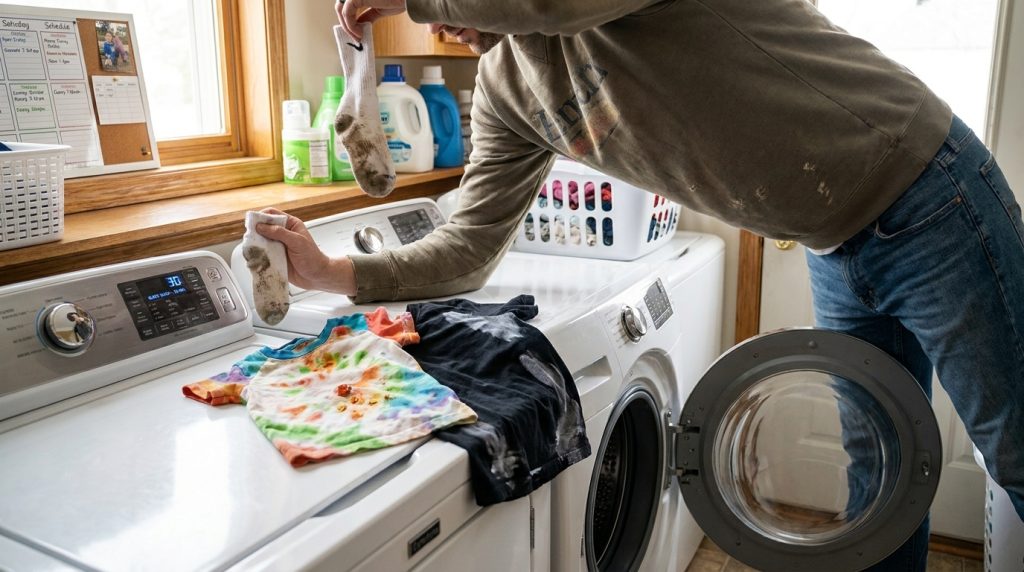
A small load isn’t always a quick wash load.
A small basket, a small cycle. It might seem to make sense, but the number of pieces can be less important than the level of the soil. One muddy sock, food-stained shirt or deodorant-marked top might need more than a quick wash can provide. In family homes, this shows up after school, after sports practice, after garden work, after a messy dinner. The fast cycle works best when the load is lightly worn and there are no set-in spots. If you can see soil, pre-treating and a longer cycle may be a better fit. The aim is not to avoid quick wash, but to utilise it where it has a fair chance. If speed helps, or is just wishful thinking, a quick look at the dirtiest item in the pile can help.
Delicates Need Gentle Movement, Not Just Less Time
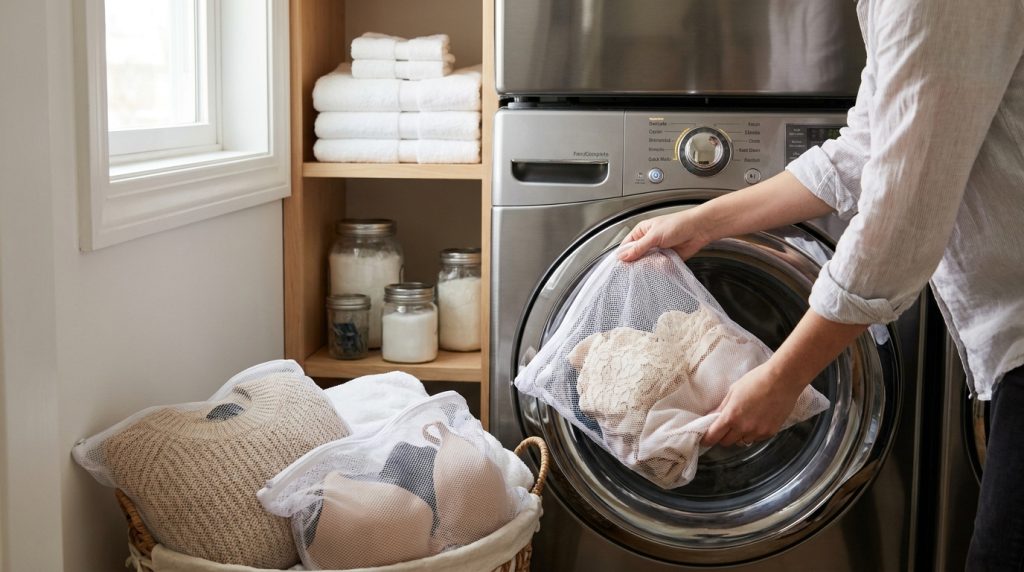
Quick wash and delicate aren’t always the same.
Delicate clothes can be tricky as “short” sounds safer. But a quick cycle is built for speed, while a delicate cycle is generally built for gentler motion and less stress on fabric. In a rental flat or small home laundry setup it is easy to just select the fastest button and assume the fabric will be ok. That gentler cycle might be a better match for knits, lace, thin blouses, bras or anything with a care label even if it takes longer. A mesh bag can help reduce rubbing, but it doesn’t make every fast cycle a delicate cycle. Quick wash: Use for delicate items. Always check garment tag and washer settings. The proper cycle can help clothes look newer longer.
The Small Load Makes Quick Wash More Useful
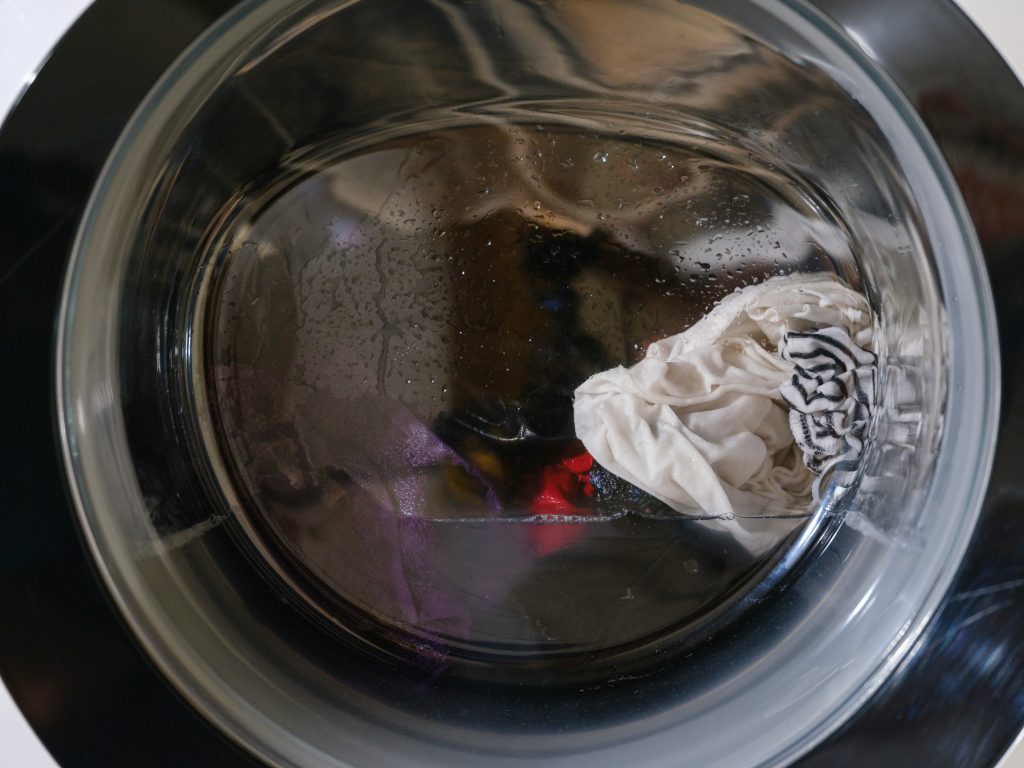
Quick wash is better if the washer is not full.
The cycle is fast and the clothes need space to move so there is less time to do the job. That’s why quick wash is usually more useful for a small loose load than for a full drum. The temptation is to save time by pushing a full hamper through the fastest setting of the machine, in many U.S. homes. But if clothes can’t tumble or circulate well, the shorter cycle has less opportunity to rinse and refresh the fabric evenly. Some brands of washing machines even specify quick or small-load cycles with particular weight limits. The practical test is straightforward: If the drum looks stuffed, quick wash is probably not the best choice. Save it for a few pieces that can move freely. Use normal wash when the basket is doing real work.
Workout Clothes May Need More Than Speed
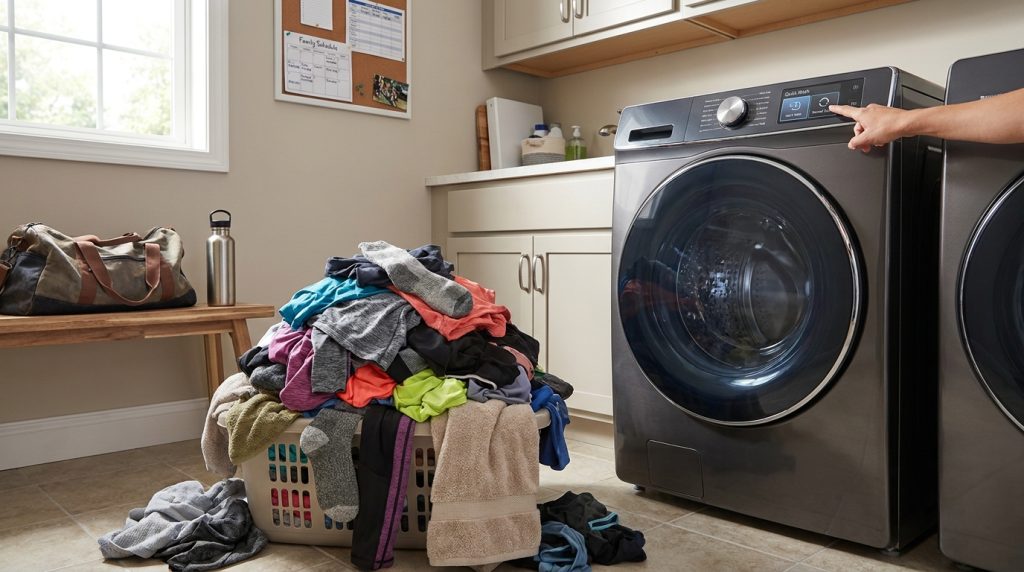
Workout clothes might need more than a quick refresh.
Athletic wear is one of the easiest places to over-trust a quick wash. Most workout fabrics look light, so they seem like the perfect fit for a short ride. But gym clothes can hold body oils, deodorant and odour in ways that aren’t apparent when the load first comes out. Laundry communities often talk about clothes that smell good in the basket but not so fresh a few minutes into wearing. For lightly used athleisure, a quick washing might suffice. You may be better off with a longer cycle and water temperature that is label friendly for sweaty gym shirts, sports uniforms, socks or workout towels. It is a useful habit to distinguish “worked out in” from “worn briefly.” Sometimes, those two piles don’t deserve equal timer.
Water Temperature Can Change the Result
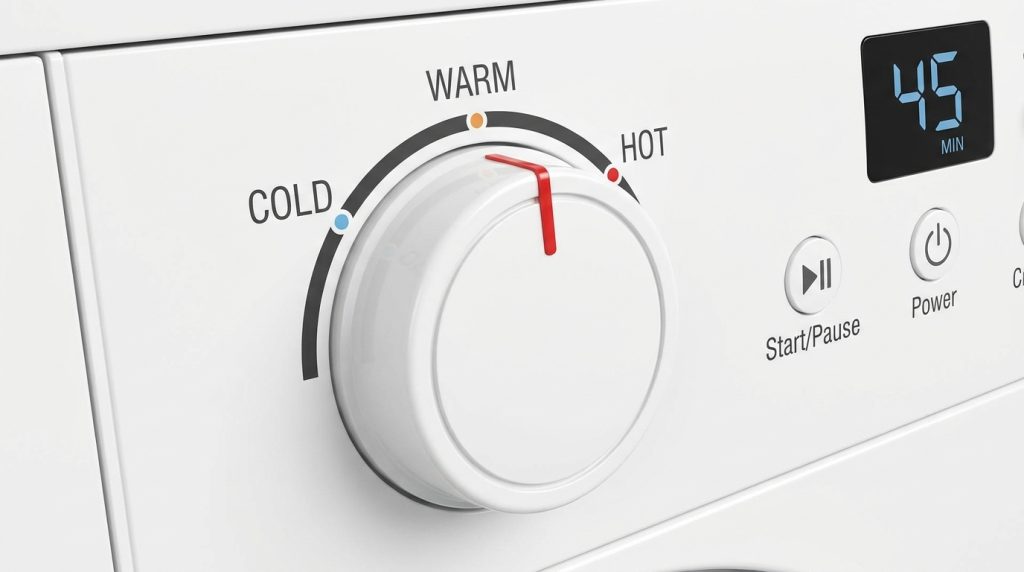
Quick wash is not just a single button.
In a typical American laundry room, the quick wash is picked on the fly and the temperature setting is ignored. That said, water temp can influence the performance of a short cycle, especially if your clothes are dirty with body oils, light stains or detergent residue. Cold water is good for colour care and everyday lightly soiled items, but warm water may be permitted for some fabrics that need a little extra help. The best thing to do is not to guess, but to read the label on the garment and the guide to the cycles on the washer. Some fast cycles can be tuned for temperature; others have a limited choice. When the cycle is short, little choices become more important. If the temperature suits the fabric, quick wash can feel like a clever shortcut, not a hasty gamble.
The Label Check Before Choosing Fast
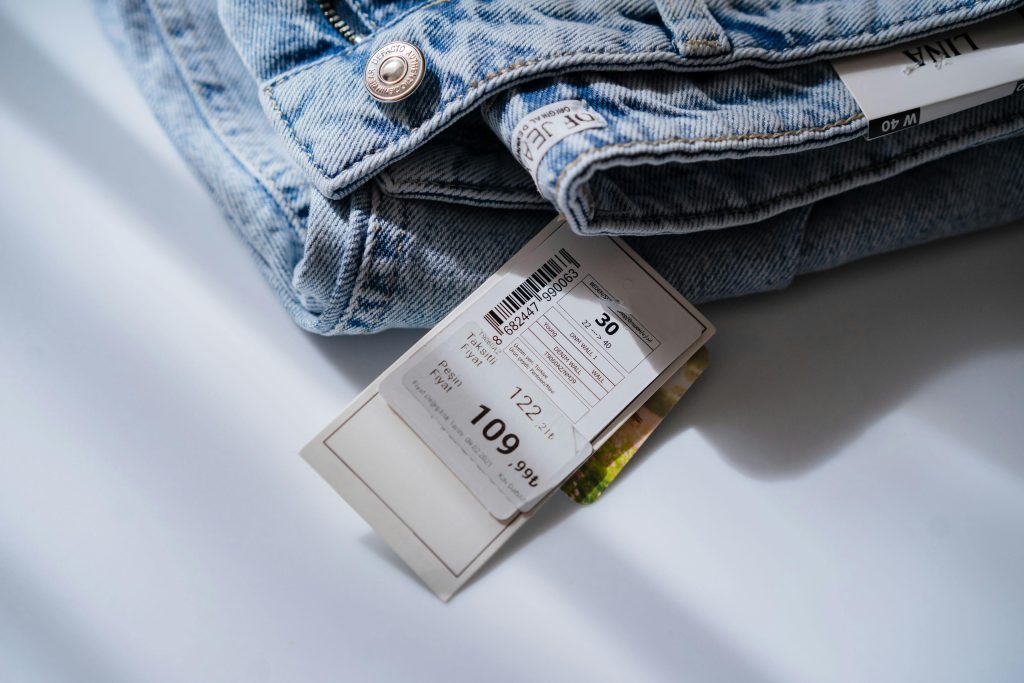
It may not be the fastest cycle on the clothing tag.
It’s easy to disregard care labels, especially when the laundry basket is small and the quick wash button is right there. But the tag tells you if it needs to be washed in cold water, gentle movement, lower spin, or separately. This is more important when you are using a short cycle, as you have less margin for error. In busy family homes and apartment laundry rooms, speed is often a priority and fabric care a second. A better habit is to check the most delicate, or the most expensive, item in the load before selecting the cycle. If that item requires delicate treatment, a quick wash might not be the best shortcut. And if it’s all solid, lightly worn, and label-friendly, then the fast cycle is a more reasonable choice.
Normal Wash Is Still Better for the Mixed Hamper
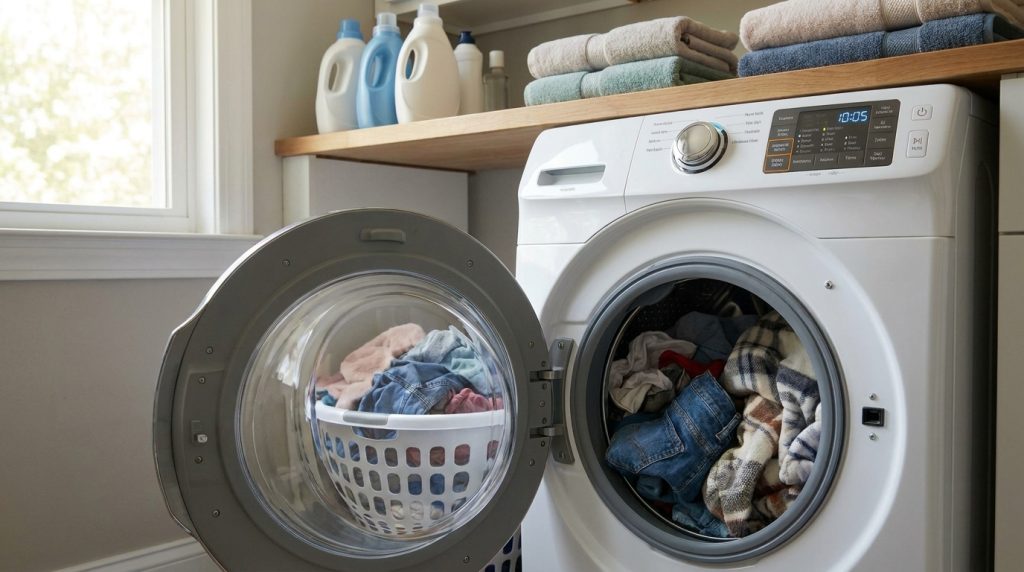
The mixed hamper is where quick wash gets overused regularly.
Most hampers are mixed, so the normal cycle still makes its way into many U.S. homes. A real household basket could have towels, jeans, socks, school clothes, workout pieces, pyjamas, and something with a small stain on it. That sort of load usually takes more time and movement than a quick wash is meant to give. The fast cycle is useful for simple loads, the normal cycle is useful for realistic loads. Before selecting quick wash, look for three things: bulky fabric, visible soil or a packed drum. If any of those are present, a regular wash might be a better choice. When used this way, quick wash turns into a tool, not a dangerous default for every laundry day.