Most people know that bath towels shouldn’t sit damp for days, but the real towel schedule is trickier than a simple laundry-day rule. Many American homes use towels after quick showers, then hang them on hooks, share them with children, stuff them into linen closets or leave them lying around bathrooms with weak fans. Experts usually cite a three-to-four-use rule but humidity, gym use, towel thickness, hand towels, shared bathrooms and storage can quickly change the timeline. This gallery will explain overlooked towel habits that waste laundry time, trap odour, and make a “clean” bathroom feel less fresh.
The Three-to-Four-Use Rule People Misread.
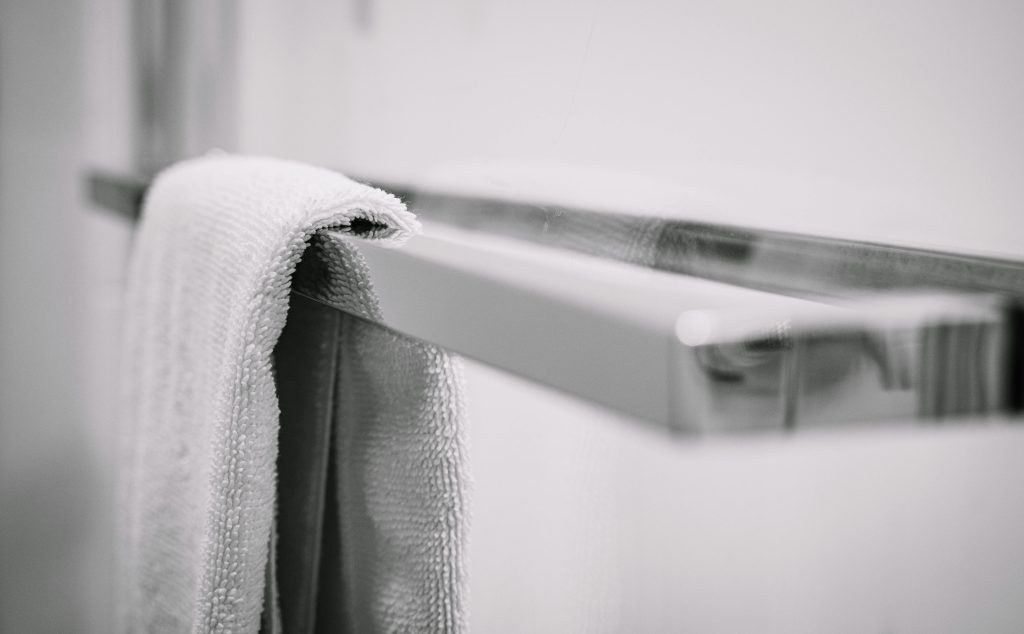
The towel rule that most people cite has a hidden condition.
The usual rule of thumb is that a bath towel should be washed after three or four uses, but this doesn’t mean a damp towel can be reused over and over. In many bathrooms in the US, especially small rental bathrooms or shared family baths, a towel can stay wet longer than you might think after a morning shower. That’s crucial because the guideline does generally assume the towel is hung open, has airflow, and dries out between uses. If it’s bunched up, thrown over a door or left in a steamy room, the practical timeline could be shorter. The important thing is not to count days. Count uses. Then check to see if the towel is really dry before it touches your skin again.
Damp Bathrooms Can Change the Towel Timeline.

Your bathroom could be changing the towel rule without you realising it.
A towel that dries quickly in a spacious suburban bathroom may behave quite differently in a windowless apartment bath, a basement bathroom or a bathroom where children take back-to-back showers. Recent towel guidance states that humidity and drying conditions influence how often towels should be changed, not just the number of showers. If the room is still steamy, or the towel is cool and damp many hours later, or the bathroom doesn’t have a strong fan, it can be smarter to change it sooner than the usual count. A visual cue helps: if the towel is still damp when you come back later, treat it like a shorter use towel.
Gym Towels Need a Faster Swap.
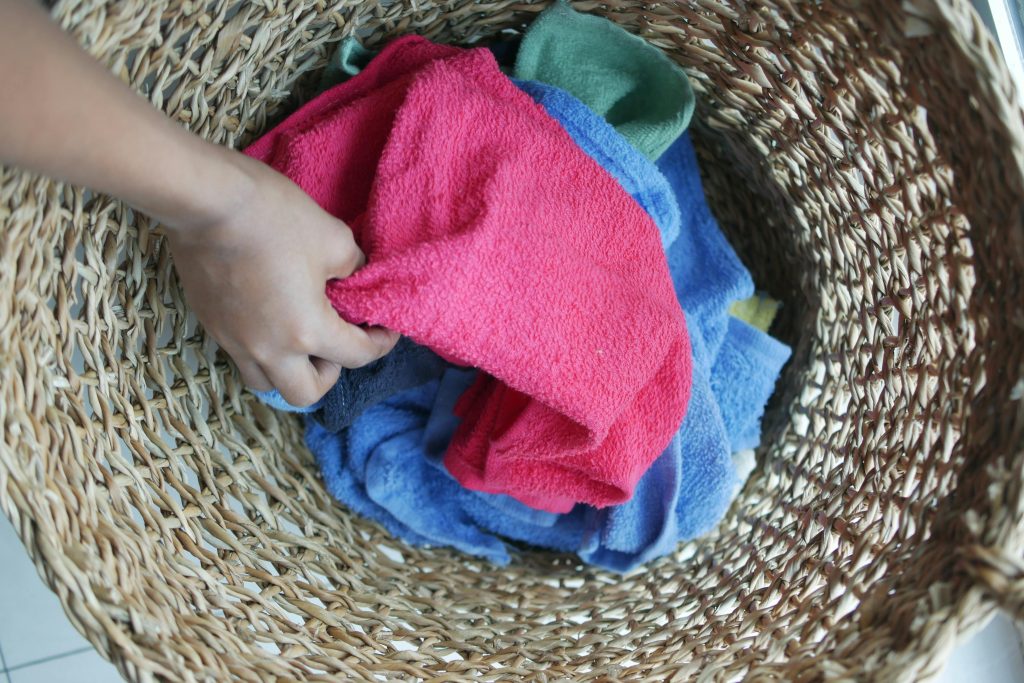
A gym towel is not simply a smaller bath towel.
To many Americans, workout towels are just like regular bath towels. They’re tossed in a hamper, draped over a treadmill, or left to fester in a gym bag until laundry day. That’s where smell issues can occur. Community laundry threads show a common complaint: Towels smell good when they come out of the dryer, but as soon as they get wet again, they smell musty. Towel experts say the amount you sweat determines how long you can go before washing. A gym towel usually needs to be replaced more often, because it is exposed to sweat, body oils and poor ventilation. Let it dry before it goes in the hamper, or toss it straight into the next load of towels.
Towel Bars Beat Hooks When Drying Is the Problem.

The hanging spot can be as critical as the wash day.
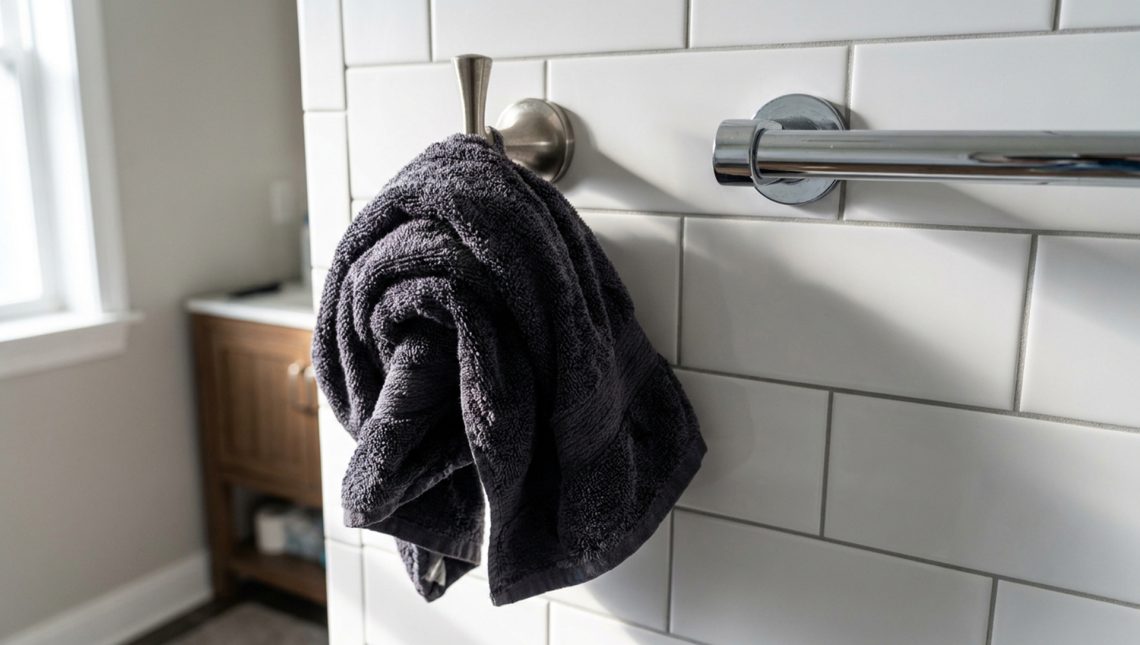
Hooks are popular in U.S. bathrooms because they save space, especially in rentals and family bathrooms with too many towels and not enough wall space. The problem is that towels hanging on hooks tend to fold over on themselves, creating layers of dampness that take longer to dry than towels spread over a bar. This is exactly the sort of domestic problem Reddit threads are full of: what happens to all the wet towels, and do hooks make the smell worse? A hook isn’t the problem, per se. But if the towel still smells or is damp when you use it next, then the answer may be more airflow, not more detergent. Open towels as widely as possible.
Thick Towels Feel Fancy but Dry Slower.
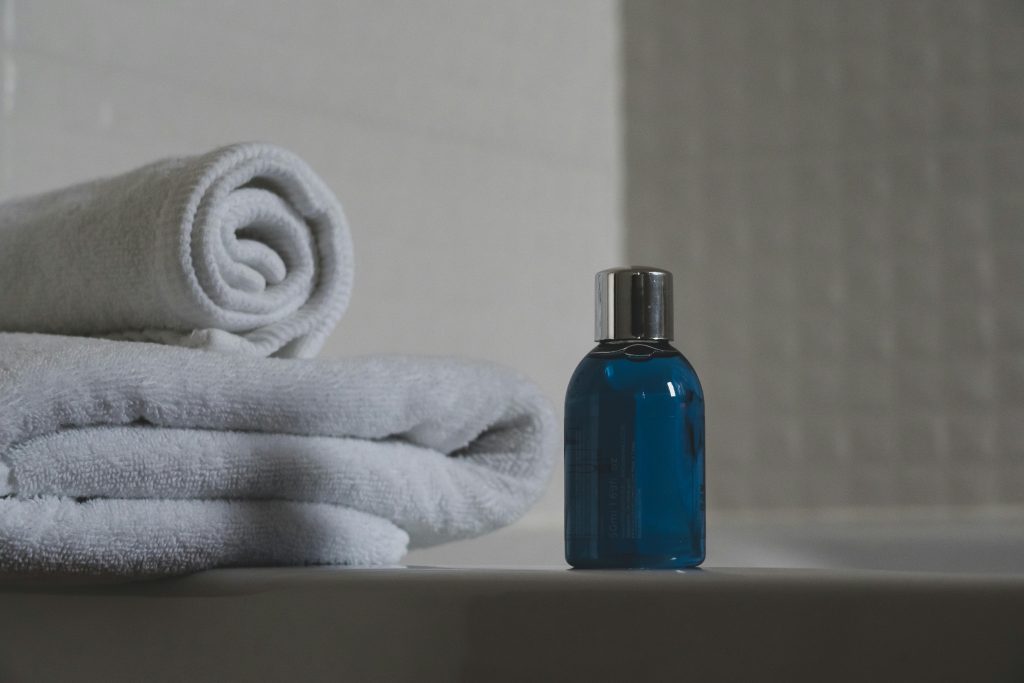
The slowest to dry may be the softest towel in the closet.
A thick hotel-style bath towel feels great after a shower, but in a real home bathroom it can hold moisture longer. If it is folded over a rod, or hung in a humid room, or packed tightly with other towels, it makes a difference. Recent guidance suggests that towel material and drying speed may play a role in how often a towel should be changed, as some faster-drying weaves may behave differently than heavier towels. For MSN readers, there’s a practical twist to the helpful tip: The most luxurious-feeling towel may also need the most space to dry. If it is still damp after a few hours, flip it sooner or use a thinner towel in more humid months.
Hand Towels Get Dirtier Faster Than Bath Towels.

Your towel may not be the one guests touch most.
A bath towel is generally used once on one clean body after a shower. A hand towel near the sink may be used by everyone in the house, plus guests. That shifts the refresh schedule. The latest advice on home care suggests changing hand towels more often than bath towels, especially if several people share the same bathroom. In the average American powder room, the towel may be wet due to repeated hand-washing, toothpaste splatters, and insufficient air circulation. Smart rule: Think of hand towels as high-traffic items. If it feels damp, looks wrinkled or is sitting in the guest bathroom before guests arrive, replace it sooner.
Shared Towels Should Be Refreshed Sooner.

Sharing a bathroom can kill a good towel routine.
In family homes, the towel issue is often not laziness. It’s math. Four people showering. One bathroom. One towel bar. Soon towels pile on hooks, doors, shower rods or the edge of a hamper. Community threads reveal how common this space issue is. The safer MSN angle is simple: Shared bathrooms may need faster towel rotation because airflow is poorer and usage is heavier. Even with individual towels, crowded hanging can keep fabric damp longer. You can assign towel colours, add an over-door rack that won’t damage trim, or rotate smaller quick-dry towels during busy weeks.
The Linen Closet Mistake That Traps Moisture.
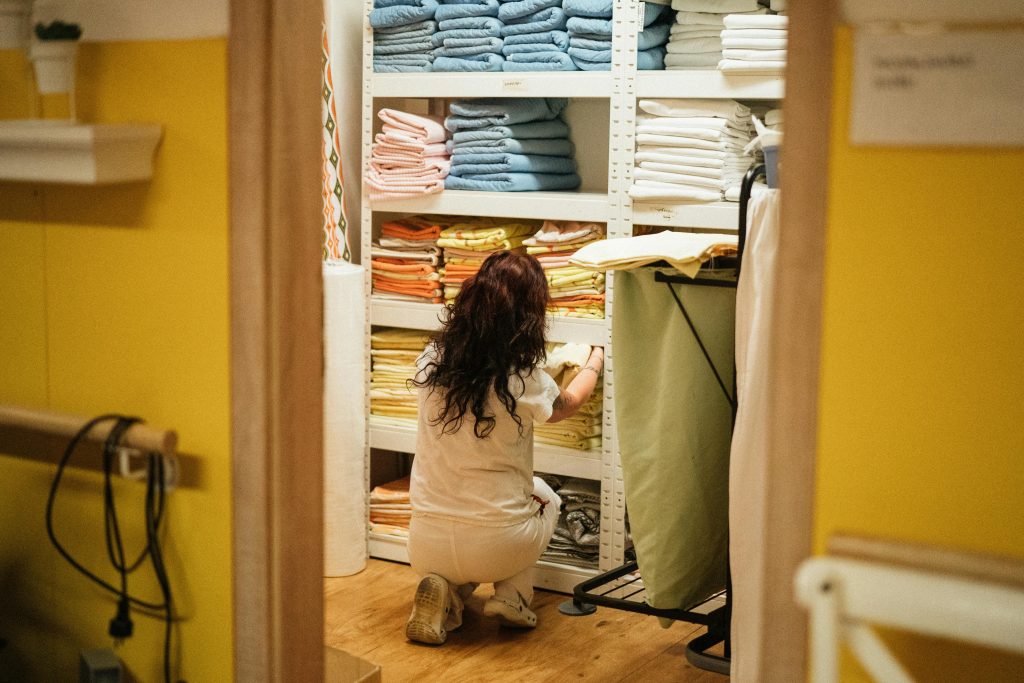
A clean towel doesn’t last as long as you think in the closet.
Even a washed towel can smell stale in a closet if it’s folded while still damp or crammed onto an overstuffed shelf. Most U.S. linen closets are tight, warm spaces packed with extra sheets, beach towels, cleaning rags and guest towels. The tips for storing linens focus on giving them space and air circulation, not cramming them in tight. This is a good hidden-warning slide for a bath towel gallery as the towel can look clean but smell off later. Check thick seams and corners before folding. If they feel cool or damp, give the towel more dryer time, or air time, before it heads for the stack.
Rotate Towels Without Overwashing Everything.
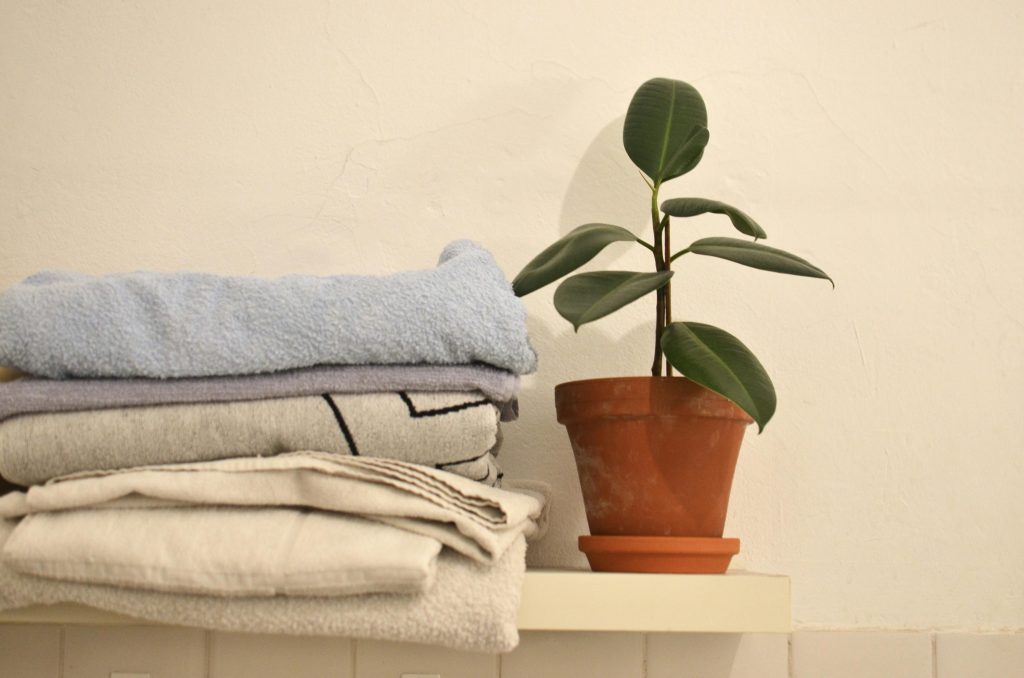
You don’t need a fresh bath towel for every single shower.
For busy households, the best towel habit is usually a rotation system, not washing all the time. Experts have noted that towels that dry quickly usually don’t need to be fresh after every shower or so, with three or so uses being a common practical range. In a U.S. laundry room, it’s an easy system: One towel in use, one drying, and one clean and ready to go. Families can opt for colour-coded towels so no one mistakenly grabs a damp one. This avoids two common mistakes at once – overwashing every towel after one light use, or stretching the same towel out until odour makes the decision for you.
Signs a Towel Needs a Reset, Not Just Folding.
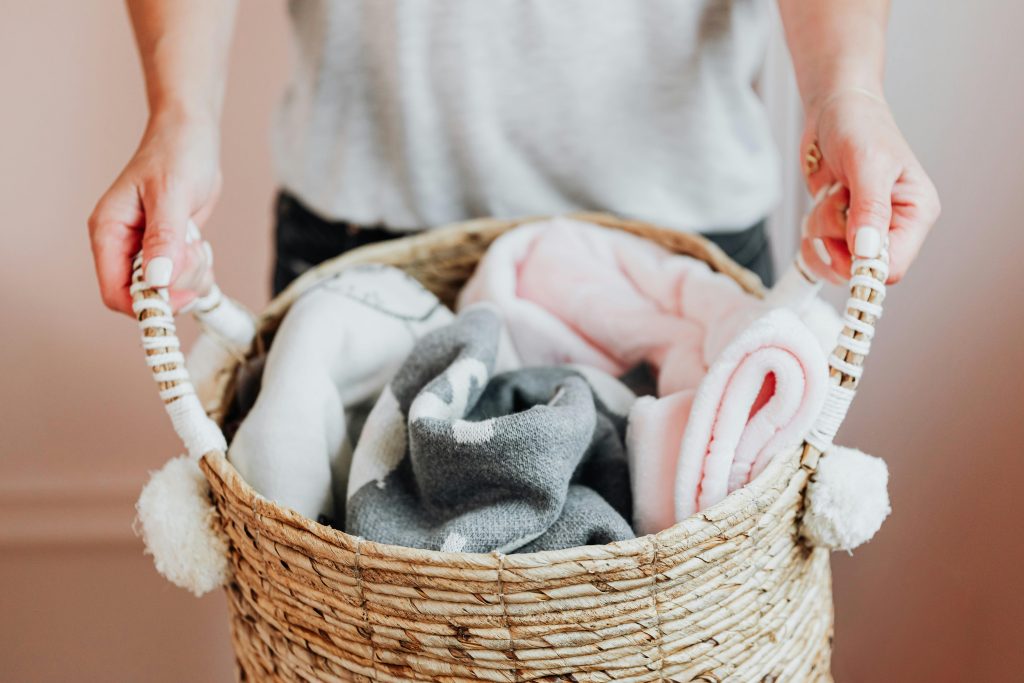
A towel might look clean but not pass the wet test.
“The towel ‘clean until wet’ issue is one of the strongest signals out of the community. People wash towels, dry them, fold them, and still get that musty smell the next time the towel hits the water. That doesn’t always mean the towel is unusable, but it’s time to rethink the routine. Consumer Reports has warned that fabric softener can leave residue and reduce towel absorbency, making towels less effective. Other common reset clues are stiffness, bad absorption, sour smell or towels left damp in hamper. Dry them better, use less product on them, and try changing them more consistently before buying new ones.