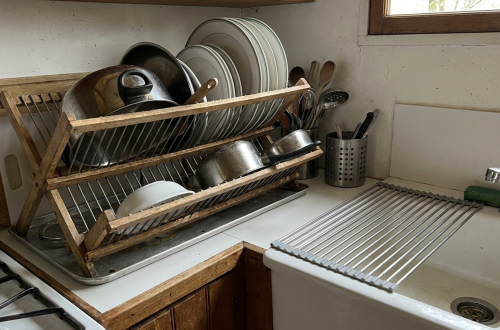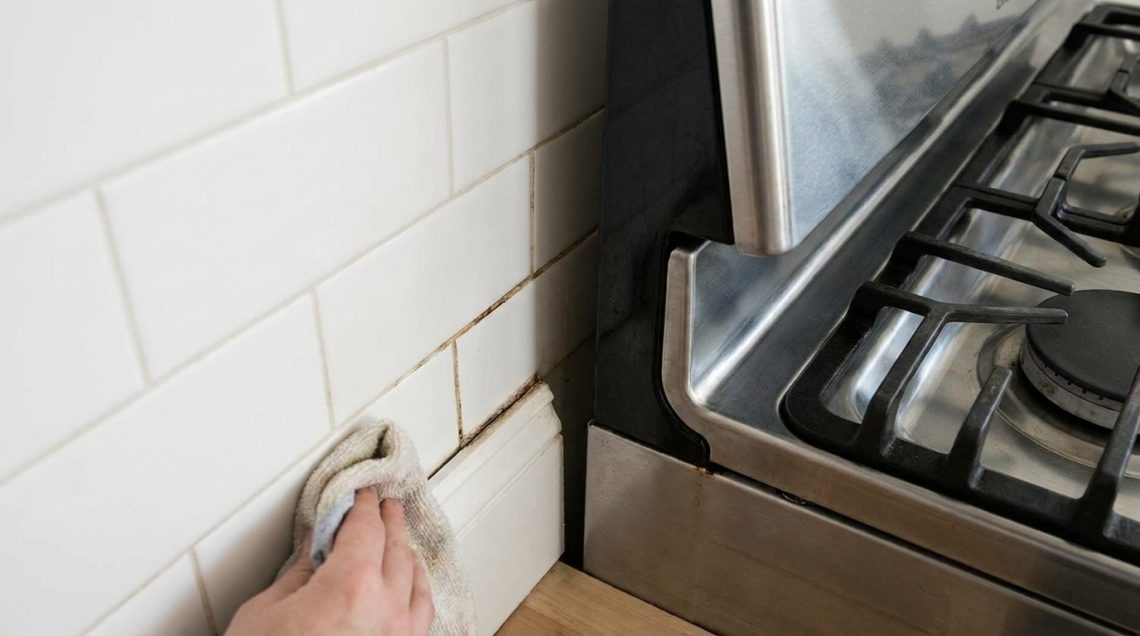
A stove may look clean from across the kitchen, but the edges often tell a different story. In many homes across the United States, little lines of grease, crumbs near knobs, haze on glass cooktops and splatter behind the range can quietly undo that just-cleaned feeling. These are details that are easy to overlook when you are cooking on a weeknight, especially in a busy family kitchen, or a rental, or a small apartment where you use every inch. This gallery showcases underappreciated stovetop spots that may be worth exploring, with basic visual hints, softer cleaning routines, and helpful freshness indicators that can contribute to a more unified kitchen feel.
The Grease Line Around the Burner Edge
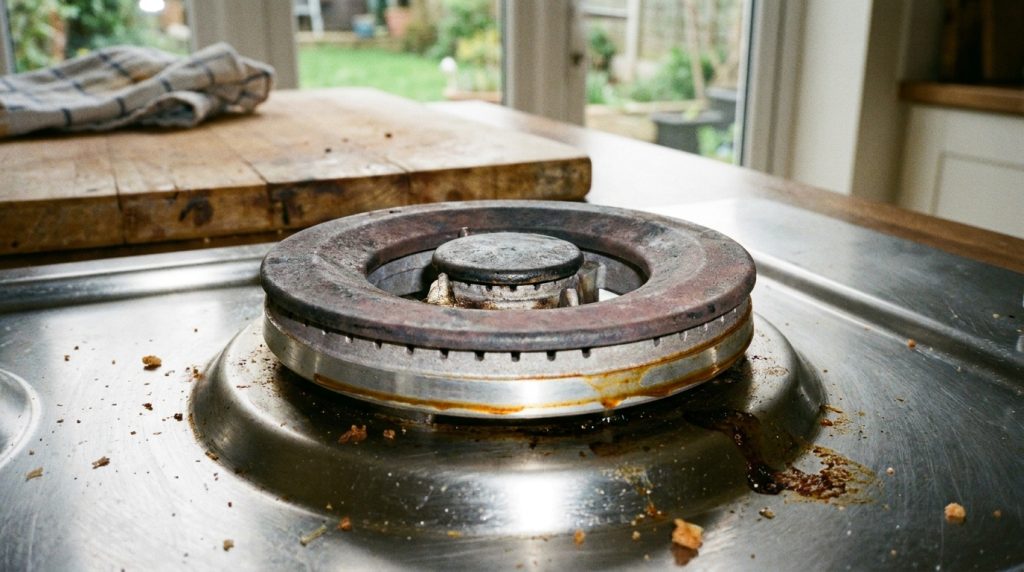
The stove looks clean until the burner edge catches the light.
In lots of U.S. kitchens, the burner edge is the last thing to get wiped or skipped when dinner cleanup feels rushed. A thin line of grease may not be dramatic, but under overhead lights it can make the whole stovetop feel less fresh. The hard part is that the ring often melds into the stainless steel, black enamel or dark grates untilcrumbs or dust adhere. In general, a soft cloth and warm, soapy water — and a peek at the appliance care label — are safer than a lot of scrubbing. The good habit is easy: after the stove cools, trace the burner outline, not just wipe the flat center.
Crumbs Near the Control Knobs
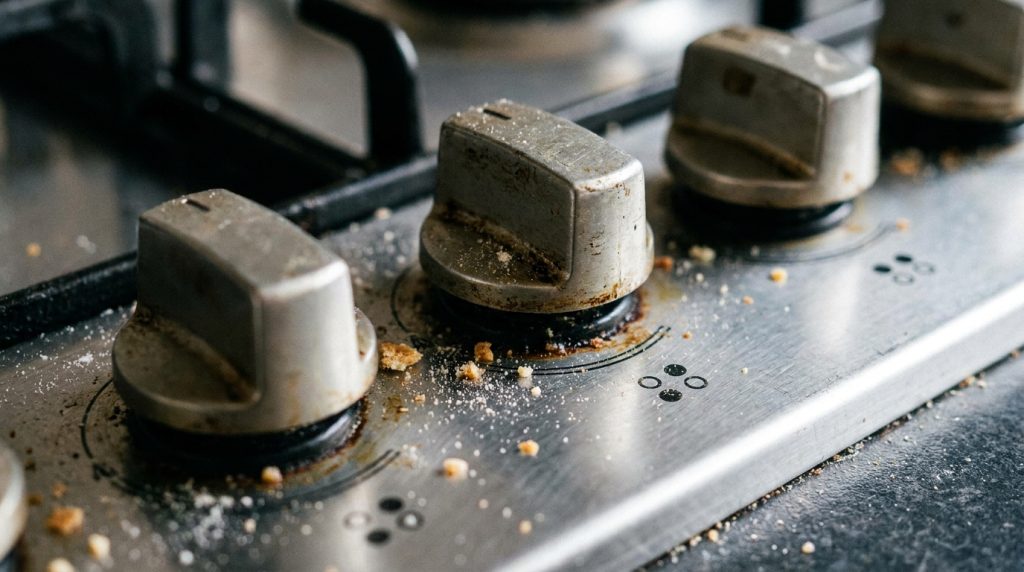
It’s easy to miss the crumbs by the knobs because your hand covers them.
Knobs are obvious touch points around the laundry room or bathroom, but stove knobs may be busier still. In a typical American kitchen, pancake mix, salt, bread crumbs and oil mist can settle around the knob bases after cooking. Removable knobs can be washed with care, The Spruce notes, but experts caution against spraying cleaner directly where liquid can seep behind controls. You can freshen up the area without going overboard with a damp microfiber cloth or soft brush around the base. This little detail makes for a nice weekly “kitchen reset” check, since it’s visible from counter height.
Splatter Behind the Stove
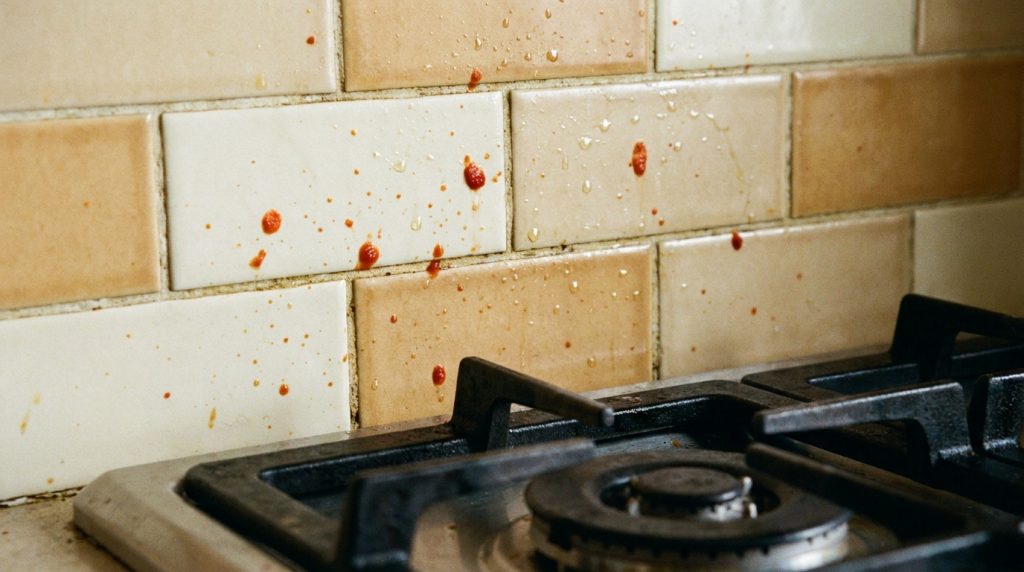
.After pasta sauce, bacon or stir-fry night, tiny marks can build up on the backsplash behind the stove that don’t always reveal themselves until daylight hits. This area is under cabinets or a microwave in many U.S. homes and therefore may not be wiped down as often as the counter. Tile grout or seams can also dull over time with grease. Usually, freshness calls for a soft cloth and water with a little dish soap, but if the surface is painted or otherwise special, you should check before using anything stronger. The payoff is instant: a clean back strip gives the stove a more purposeful look.
The Range Hood Underside
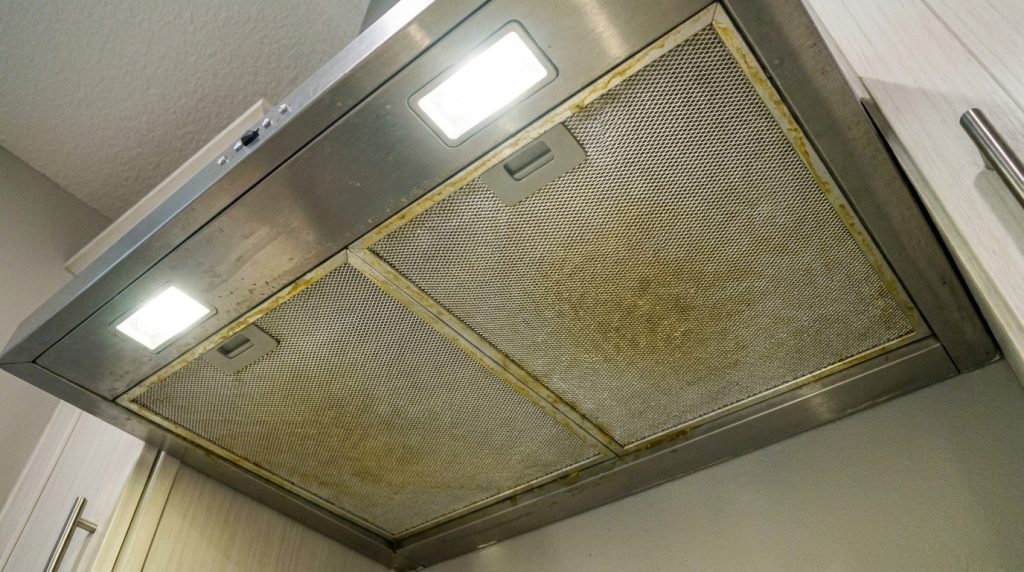
The underside of the range hood could be another story,
but the front looks good.The underside of the range hood is a classic “out of sight” place in American kitchens, especially when there is a microwave over the stove. Sticky hood grease is a common topic in Reddit cleaning threads, as it can be a pain to remove once it’s set in. Recommend to periodically clean filters with gentle methods suitable for the finish and periodically remove filters. For everyday kitchens, a light wipe of the underside after frying or sautéing can help prevent that tacky feel from building up. Frame it gently: it is not about panic-cleaning; it is a little freshness cue that makes the cooking zone feel better looked after.
Drip Tray Edges
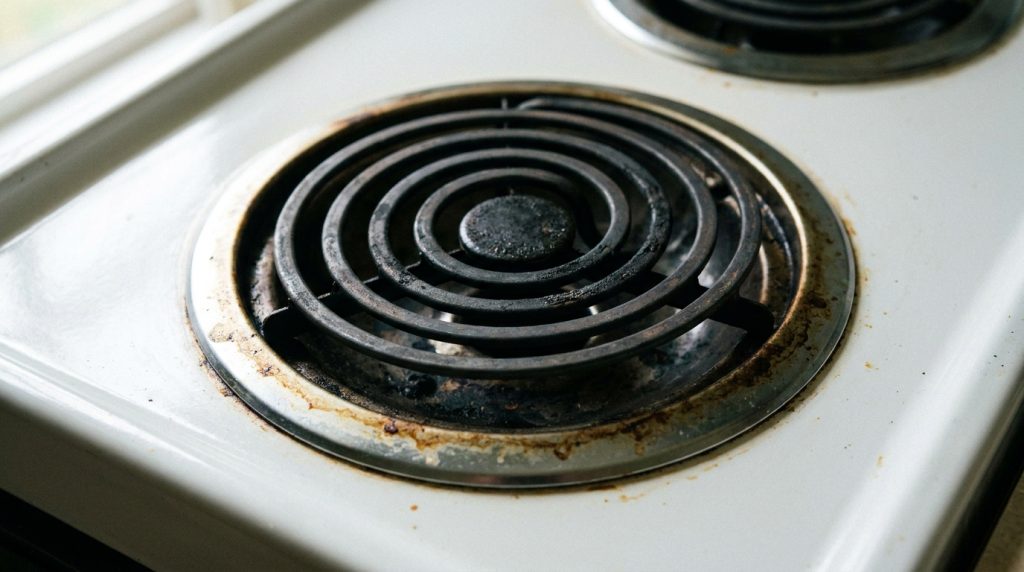
The rim of the drip tray can make the stove look older overnight.
In starter homes, rental apartments and older U.S. kitchens, drip trays wear out a lot more than the rest of the stove. A faint line around the edge could be caused by sauce, boil-over or cooking oil which dries in place. The Spruce recommends soaking removable drip pans in soapy water, then rinsing and drying them thoroughly to keep this from becoming a bigger weekend job. The trick is not to scrub hard or think every mark has to be removed. If the first thing you see from the kitchen entry is the stove, a cleaner rim just makes the burner area look more cared for.
The Stove Gap Beside the Counter
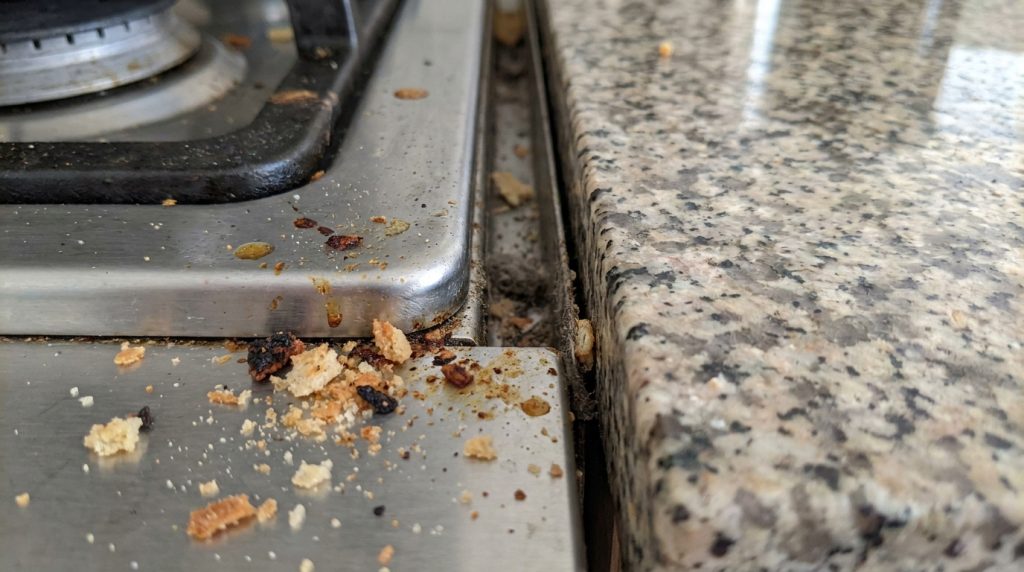
The gap on the stove may be the kitchen’s easiest crumb trap.
“It’s one of those cleaning frustrations that’s so relatable in American homes,” she said. “It catches everything from rice to shredded cheese.” Reddit users frequently recommend pulling the stove out from time to time, or using narrow tools with caution. But the takeaway that’s safe for MSN is simpler: this slim line is worth checking out before it becomes a bigger cleanup. Some kitchens may benefit from gap covers, but they may also require wiping. After meal prep, run a flashlight along the front edge for a visual routine. The kitchen may not seem as fresh even though the counters are spotless, but you can see crumbs.
Oven Handle Marks
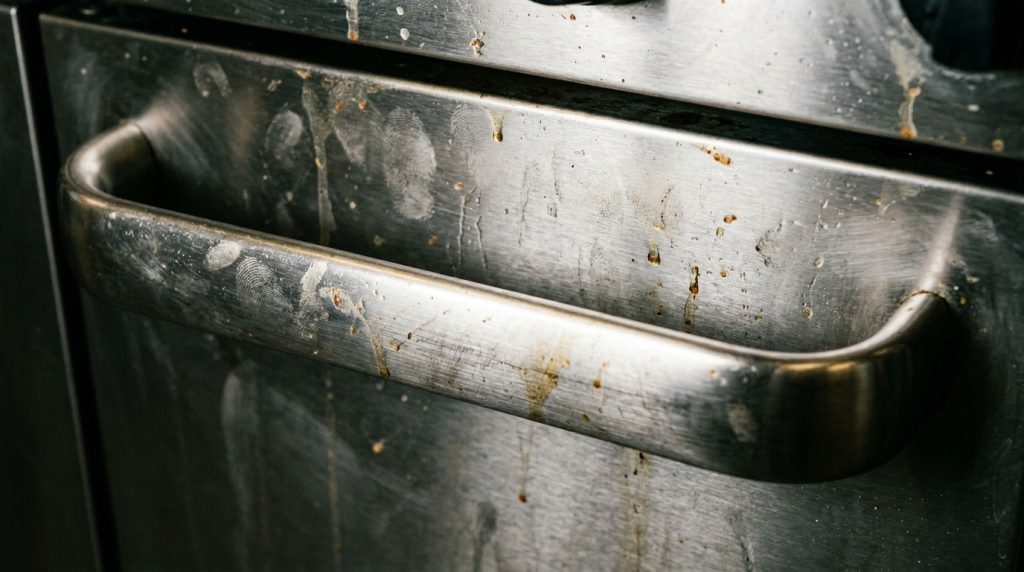
A clean, marked handle on a stove can appear unfinished.
The oven handle is a subtle freshness cue because it is at eye level when one enters the kitchen. Many U.S. kitchens handle it with damp, floury, oily hands, or hands with a towel. Even stainless steel will make the marks pop more when the ceiling lights are bright. A damp microfiber cloth, followed by drying with the grain if necessary, will often improve the look without the use of heavy products. It’s also a useful habit “after cooking”: wipe the handle, knob area and front edge all at once. That little pass can make the whole range look cleaner than it is.
Back Corner Sauce Spots
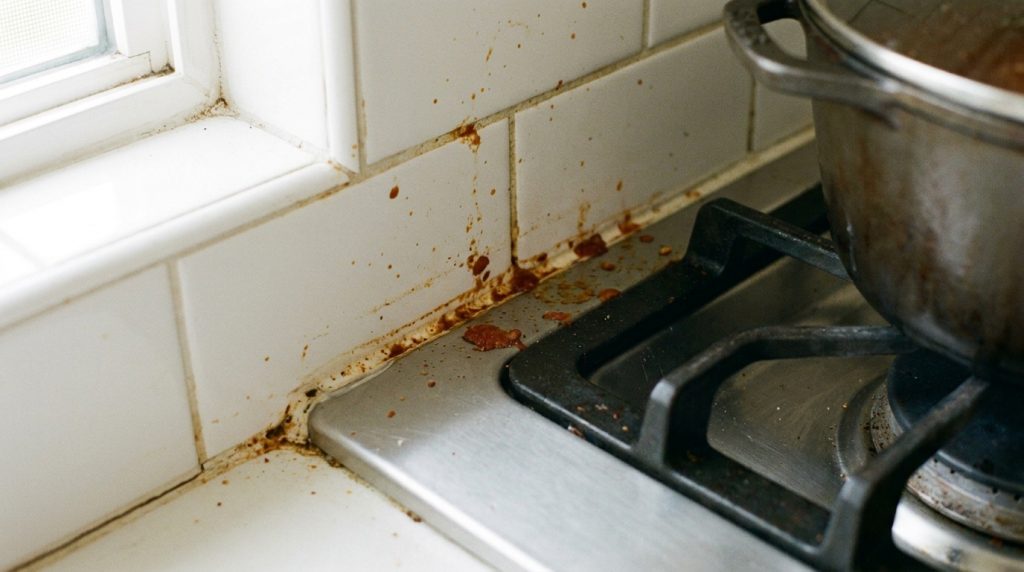
The main wipe-down goes across the easy flat surface and not the seam which is why back corner sauce spots often survive. In a typical American kitchen, this corner is behind pots, spoon rests, salt shakers or an over-the-range microwave shadow. Tomato sauce, a spray of oil, splatters of coffee—they all dry to dots that take the edge off any freshness. Usually a soft cloth wrapped around a fingertip or a gentle corner brush can get to it without making cleanup a deep clean project. The payoff is visual: when that little back line looks clear, the stove looks cleaner from across the room.
Glass Cooktop Haze
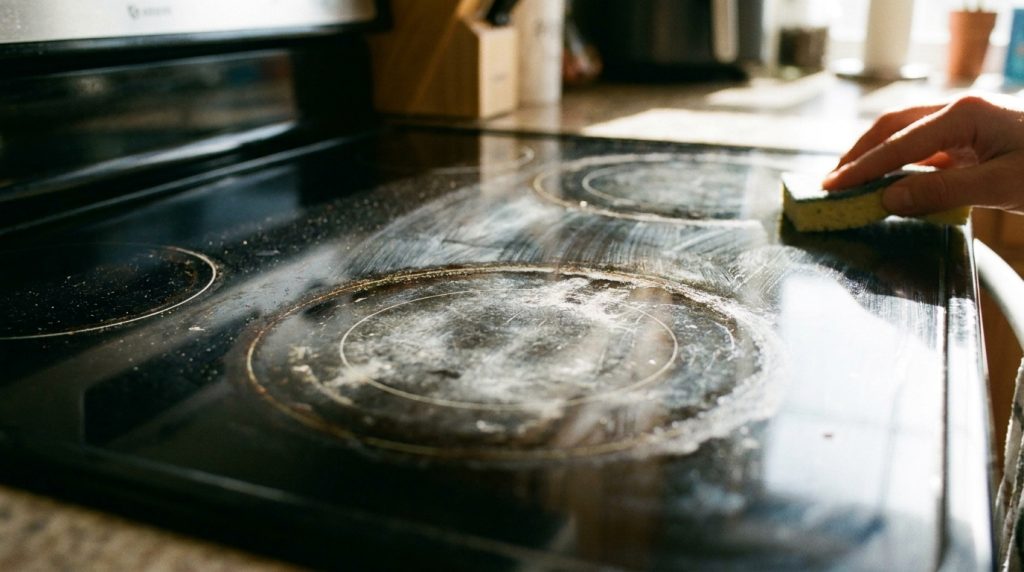
Glass stoves can remain cloudy after being wiped.
Newer U.S. kitchens often have glass cooktops, but they pick up haze, streaks and residue quickly. Leftover cleaner, cooking film, or wiping before the surface is fully cool can cause that cloudy appearance. Home sources recently suggest using non-abrasive methods and warn against harsh or gritty products that may not be the best choice for glass stovetops. The safe way to clean an MSN is to remove any loose debris first, then clean gently and buff dry with microfiber. It sounds minor but the dry buff is often what takes the surface from “wiped” to “fresh-looking” in bright kitchen-light.
Grease on the Nearby Tile Seam
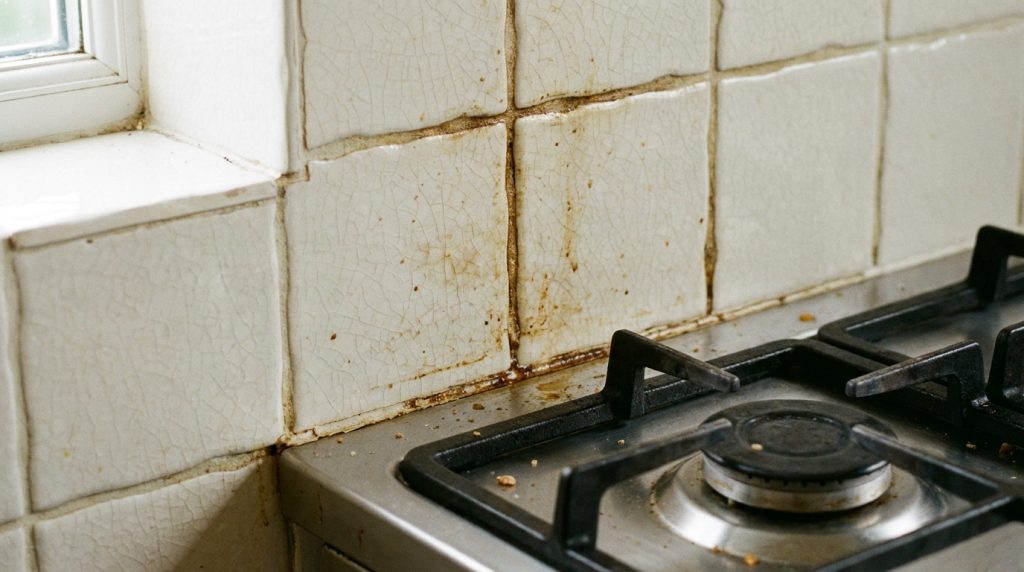
The stove is spotless but the joint in the tile is matte.
The tile seam next to the stove is easy to miss, since it’s not technically part of the appliance. But in many U.S. homes, cooking mist lands on the first few inches of backsplash, cabinet side or grout line. With time that seam may look a little darker or a little duller than the surrounding tile. For everyday freshness, wipe gently with warm, soapy water, then dry. Always test specialty tile or painted surfaces first. That last detail ties the gallery together. The edges around the stove tend to look cared for, not just the center, making the kitchen feel cleaner.