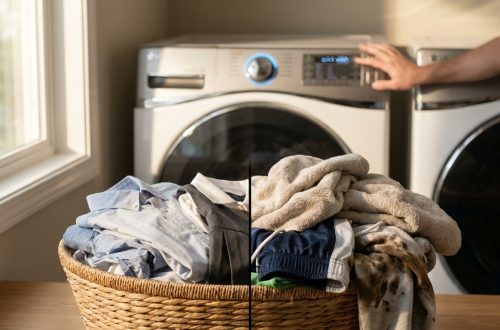
Home problems often start out small: a faint stain on the ceiling, a slow drain in the washbasin, a dusty vent, a soft spot in the floor, or a strange noise from an appliance. In hundreds of homes across the U.S., early signs are hard to spot because there’s no sense of urgency yet. But small clues around bathrooms, kitchens, laundry rooms, basements, garages and backyards can sometimes signal repairs that grow more expensive when left unattended. This guide outlines the overlooked warning signs that homeowners and renters should pay attention to early on, before a simple fix becomes a bigger bill. Not all expensive home repairs start with a big bang, a room full of water or an appliance that just stops working. In many American homes, the first warning is smaller: a drip, a smell, a stain, a rattle, a soft patch or a utility bill that seems higher than it should be. The problem is that these signs can look quite harmless at first. A little ceiling mark could be a beauty. A slow drain is just one more bathroom annoyance. A dusty vent could look like an ordinary household mess. But when these clues appear more than once or in several places, or are accompanied by other changes, they can help homeowners and renters catch problems before they become more expensive.
A Small Ceiling Stain That Keeps Getting Bigger
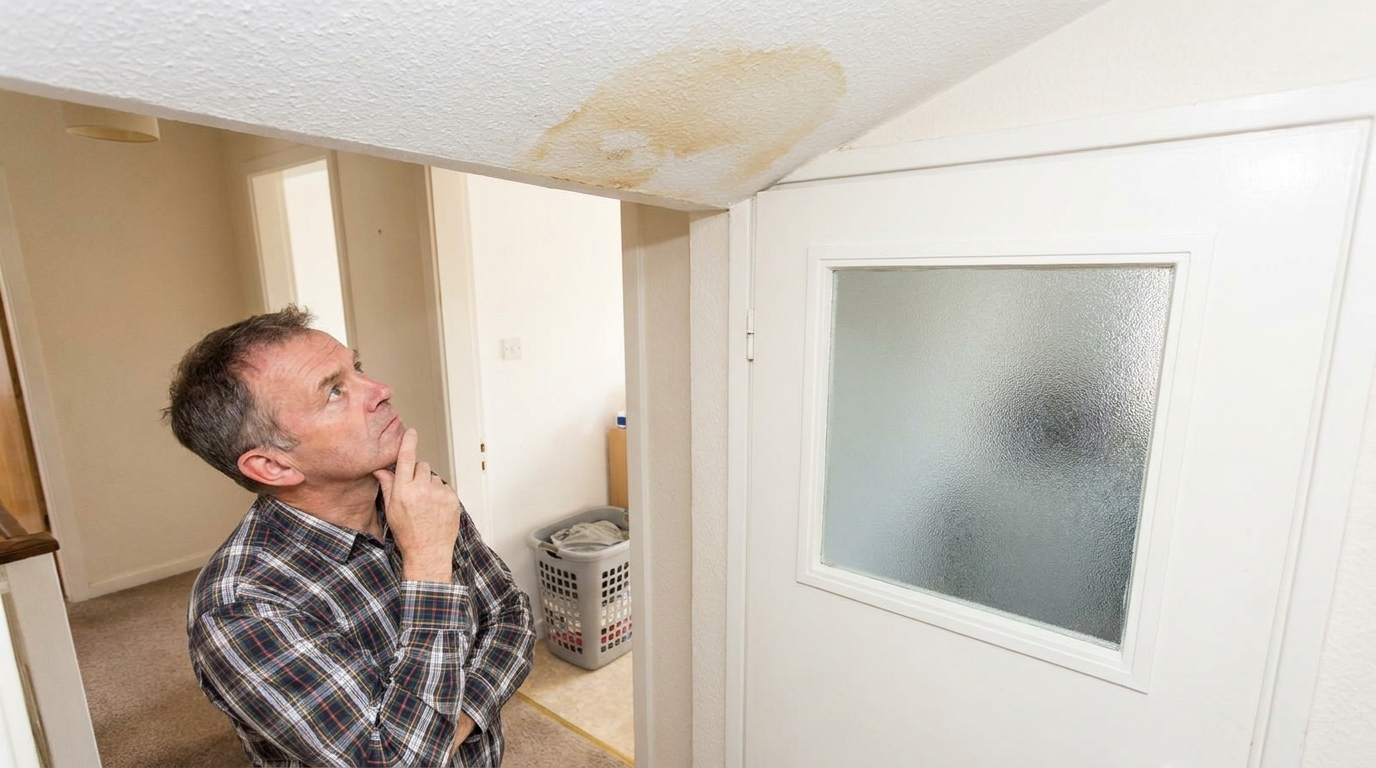
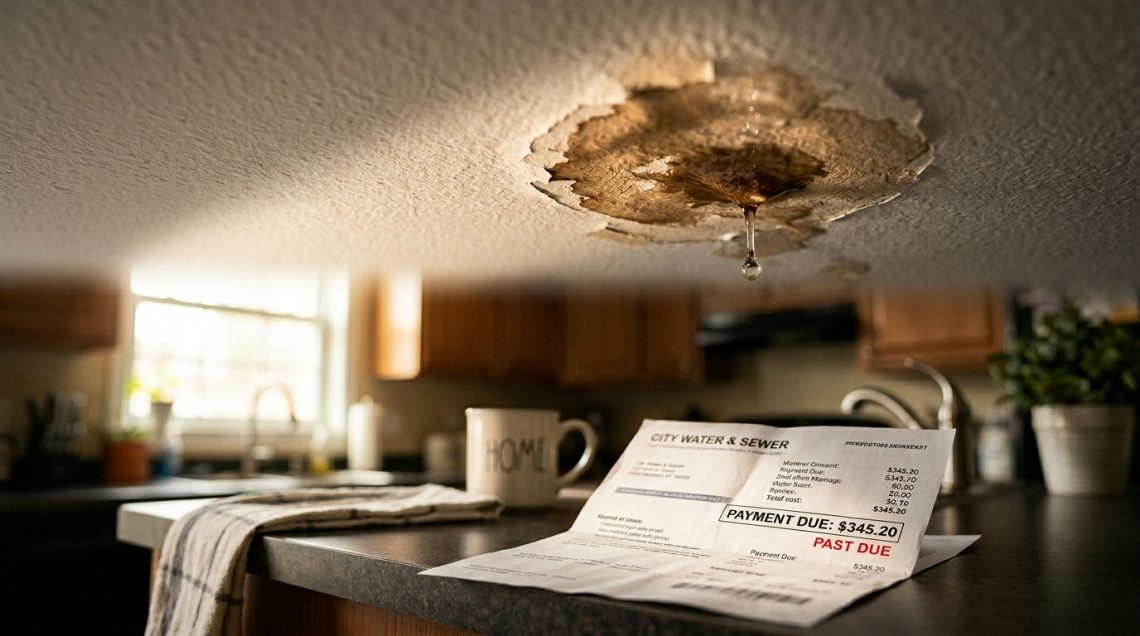
One of the most obvious warning signs is easy to overlook—a small stain on the ceiling. In many American homes, especially older ones or ones with two stories, that sign could be a roof problem, a plumbing line, a bathroom fixture, condensation in the attic or an appliance on an upper floor. It is change that counts. If it darkens, spreads, appears damp, or shows up after laundry cycles or HVAC use, it might be worth checking sooner rather than painting over it. Sometimes the mark is covered and the source is not found, hiding a problem while moisture continues to migrate.
An Ever-Slowing Washbasin Drain
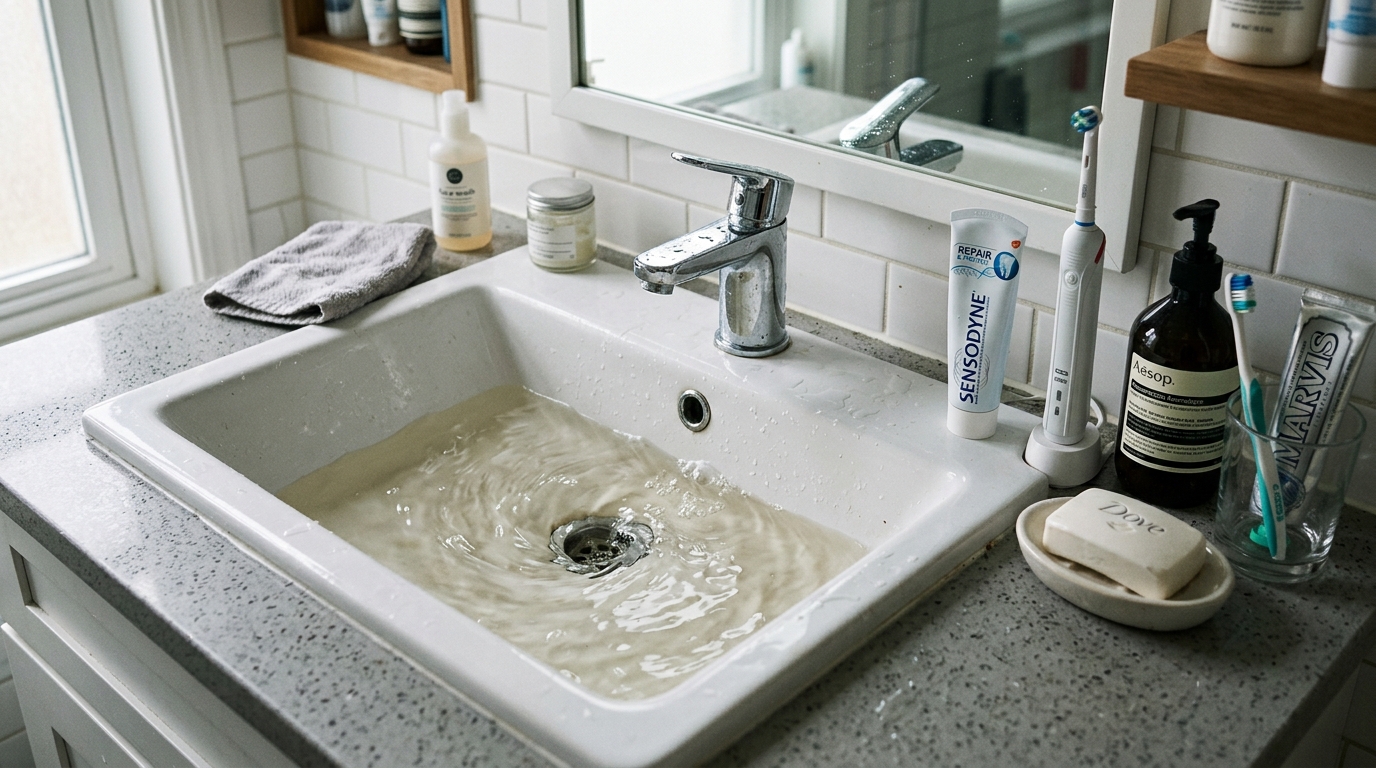
A slow drain is often a minor inconvenience until it becomes a nagging problem. Drains in the bathroom and kitchen can slowly collect hair, soap film, grease, food particles, toothpaste and dirt. The warning sign is repetition. If the same washbasin, tub or shower is slowing down every few days or weeks, it’s likely to be more than just surface debris. The kitchen may also have signs that a build-up is starting that needs to be dealt with before it becomes a full clog such as slow drainage after using the garbage disposal or dishwasher.
Stinky smell under the sink

A musty smell under the sink may be the smell of old cleaning supplies, trash bags or damp sponges. But that same smell can also be a sign of a small leak, condensation, wet wood or trapped moisture in many homes. That’s the clue if you clean and the smell comes back. If the cabinet base feels soft, puffy, has dark spots, or is always wet around pipe connections, it’s time to take a closer look. “Sometimes a small leak can damage cabinet floors and attract pests before anyone sees water on the floor.
Dusty HVAC Vents, Poor Airflow
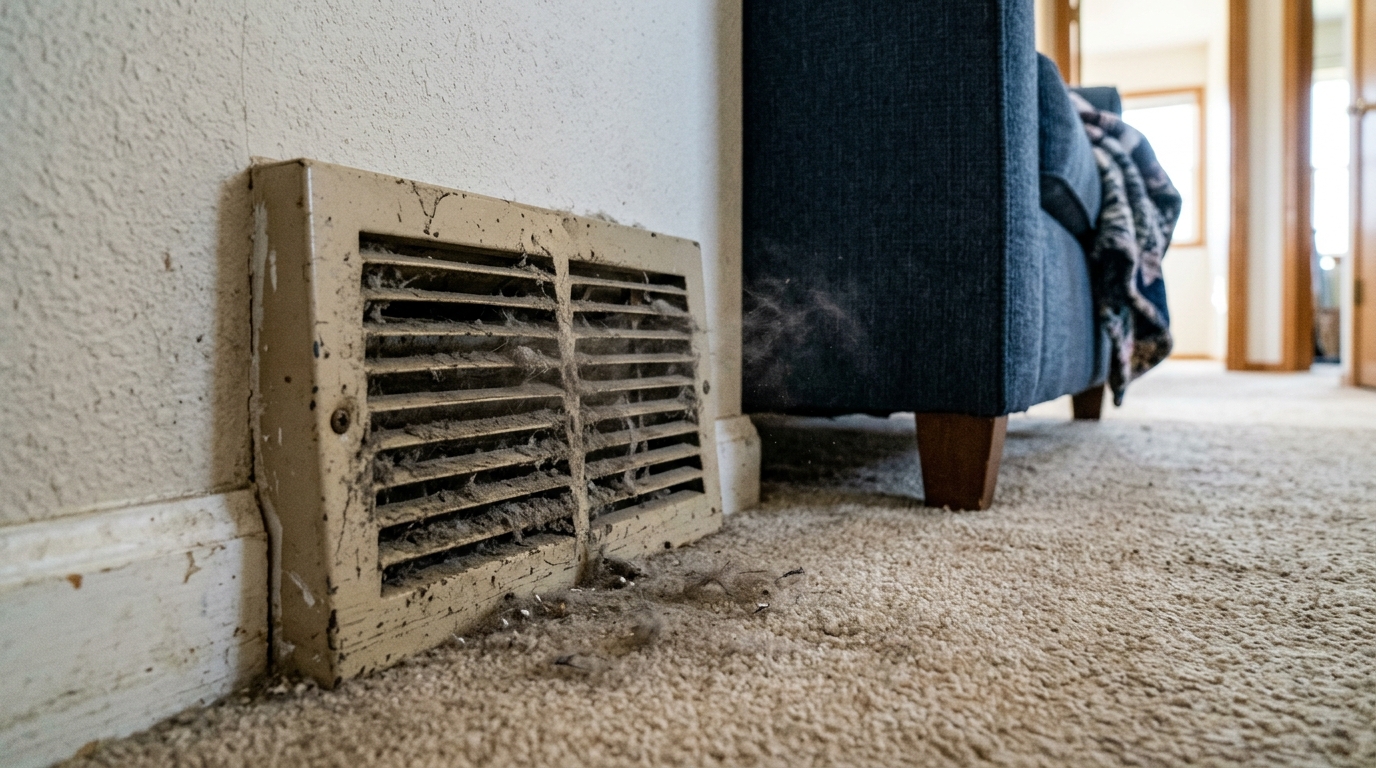
A dusty vent is not always a serious warning on its own, since normal homes get dusty quickly. But if some rooms are much warmer or much colder than others, or if the airflow feels weak when the system is on, the vent could be part of a larger clue. The problem is energy waste. A dirty filter, blocked vent, leaky duct or struggling HVAC system can sometimes impede heating and cooling efficiency. Checking the filter, making sure vents aren’t blocked by furniture and looking for early signs of changes in airflow can help many U.S. homes avoid larger comfort and repair issues.
A Utility Bill That Leaves You Puzzled For No Reason

A bigger bill might not be a repair warning at first. Weather changes, guests, laundry, holiday cooking and normal seasonal use can all add to the cost of running an American home. If not part of your routine, the alarm goes off. Sometimes the slow cost creep is a toilet running, a tap leaking, a water heater ageing, a duct leaking, an HVAC filter clogged or an appliance problem before anything visibly breaks. If you look at bills month to month, you can see patterns that people don’t see in daily life.
A toilet that runs after you leave
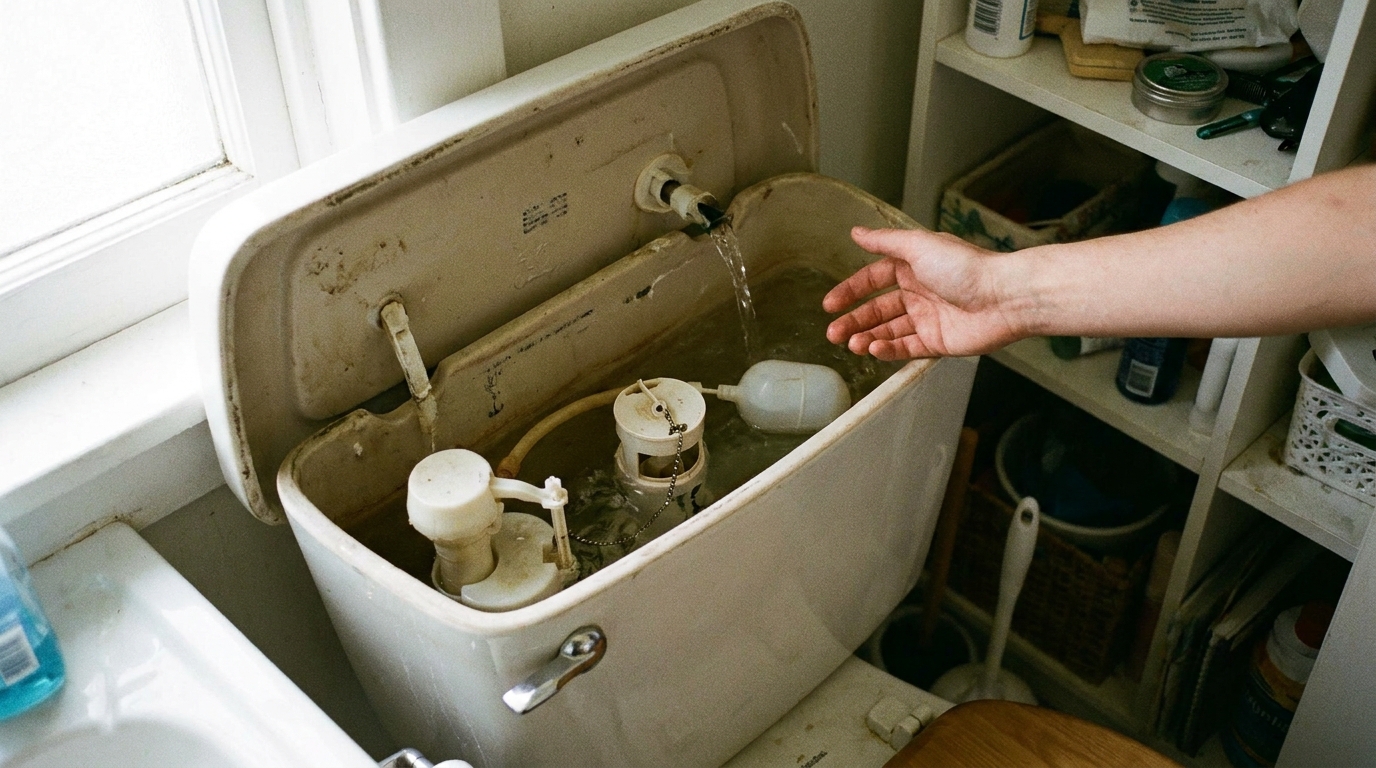
In a busy household, a running toilet can become background noise. They hear it after they flush and forget it when they leave the bathroom. The problem is that a toilet that runs can waste water and also be an indication of a worn flapper, a chain problem, a fill valve problem or mineral build up. It’s often a simple fix, not a major plumbing job, but if you let it go for weeks or months, your water bill can hurt more than the repair.
A Soft Spot Around the Toilet, Tub or Dishwasher
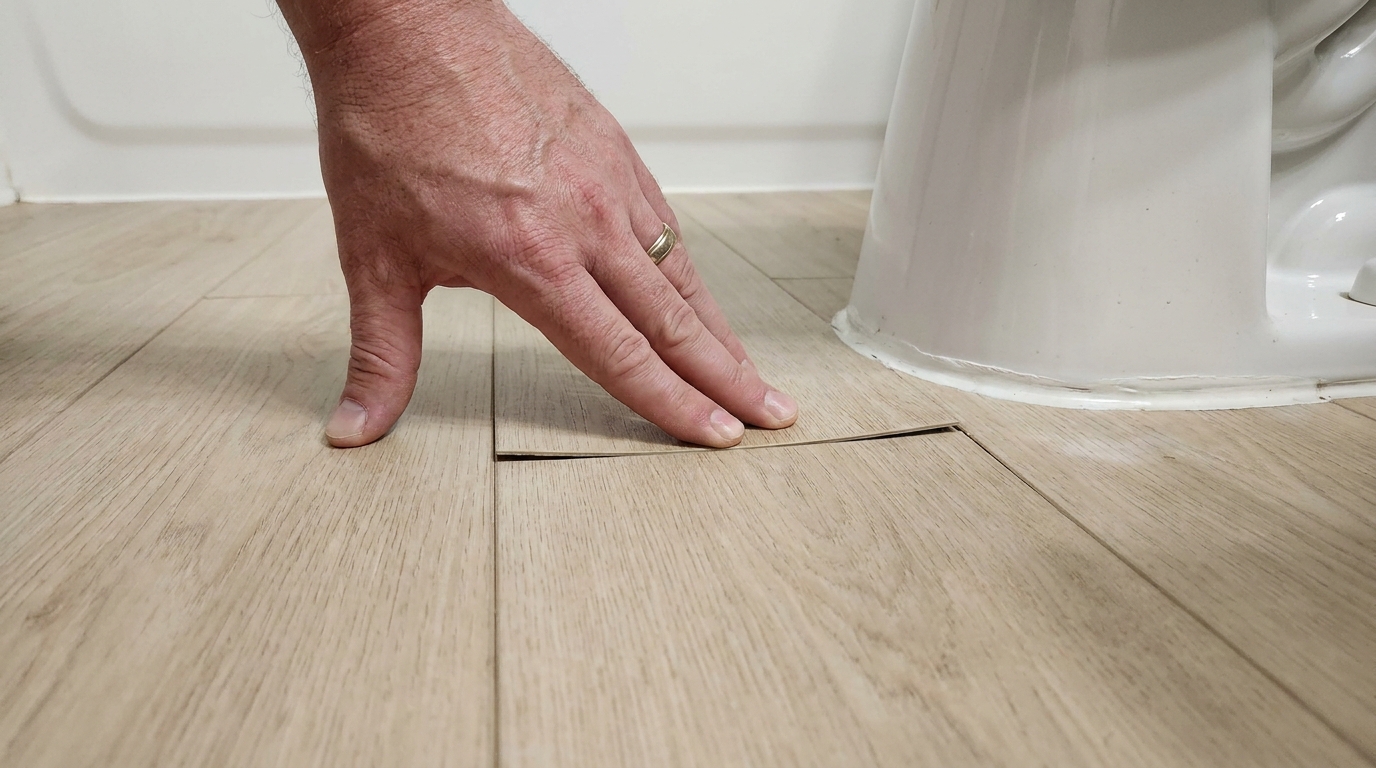
One of those signs, soft floor spot, people will just notice maybe with bare feet. Sometimes a soft, spongy, raised or warped area in bathrooms, kitchens, laundry rooms and dishwashers can indicate moisture underneath the surface. Where’s the hint? If the soft spot is near the base of a toilet, the edge of a tub, a washbasin cabinet, washing machine or dishwasher, it might be a good idea to investigate before the damage spreads to the floor. A slow leak in the subflooring or adjacent cabinets can turn into a much more expensive problem.
Dryer That Takes Longer Than It Should
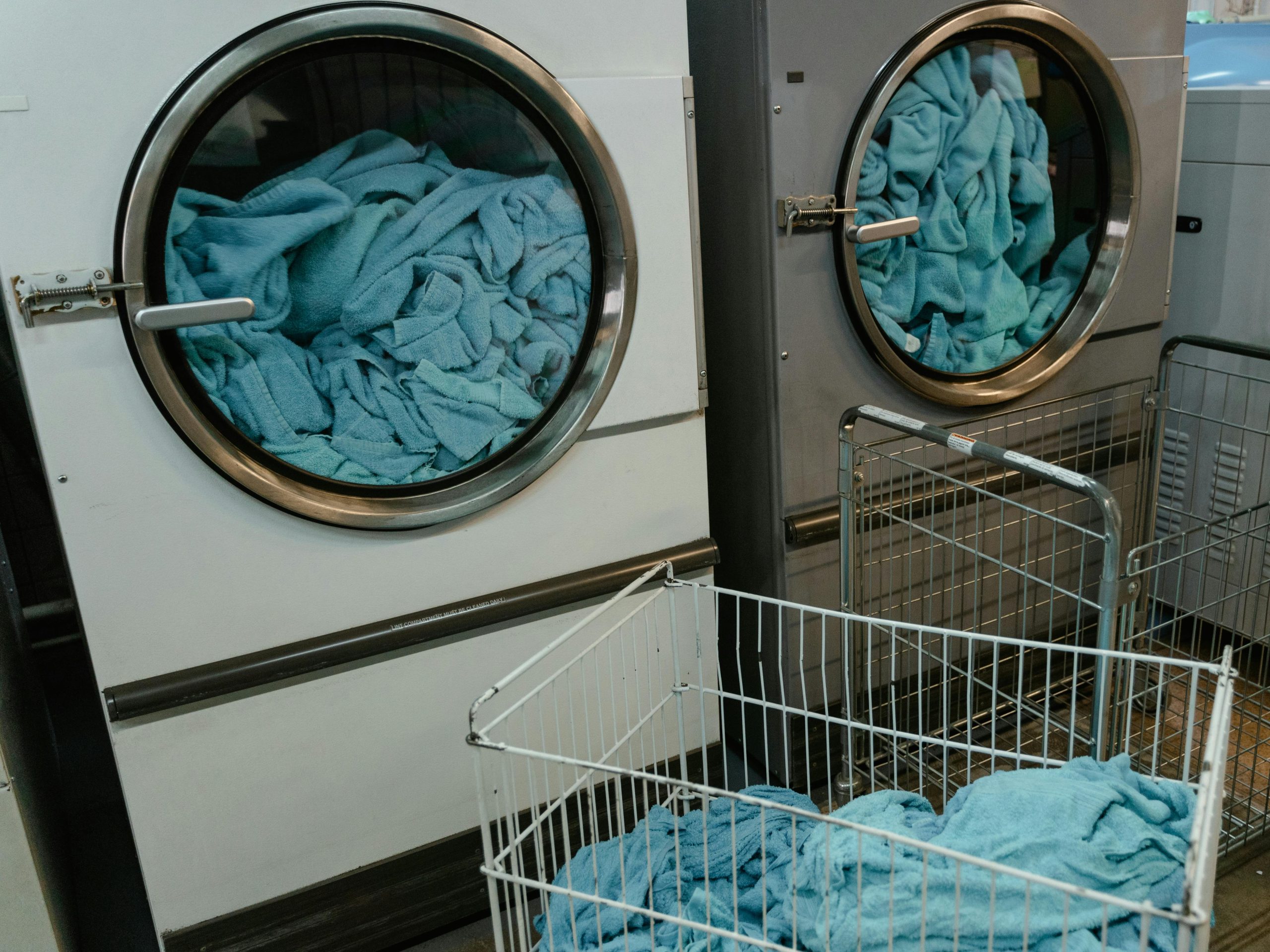
A dryer that requires two cycles might feel like a laundry nuisance, not a home alert. But the longer the drying takes, the harder the machine runs. The airflow is the simple clue. A full lint trap, blocked vent, kinked hose or build-up in the dryer vent can reduce performance. Homeowners should not just add another cycle each time but look for repeated long drying times as a problem to check for. Dryer airflow problems can also be a safety hazard.
Little pest offers tips from pantry shelves
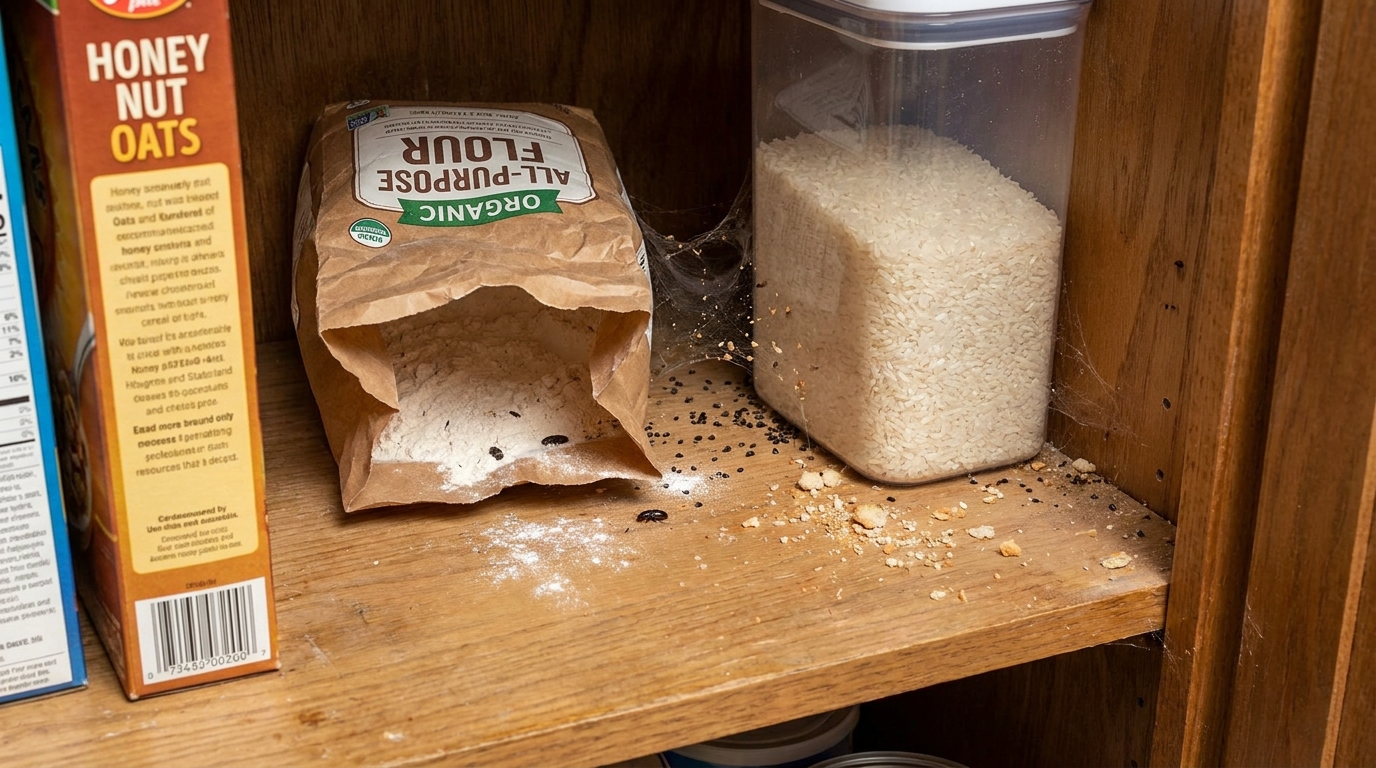
A small clue from the pantry can be mistaken for regular crumbs. Small specks, webbing, damaged packaging or tiny bugs near flour, cereal, rice, pet food or pasta can sometimes lead to pantry pests finding a food source. The question of money is pointless. Dry goods are more prone to pests and families might have been throwing away more food than they thought. By sealing pantry staples early, checking older boxes and cleaning the corners of shelves, you can keep a small problem from becoming a grocery-loss problem.
Excessive moisture in a refrigerator drawer
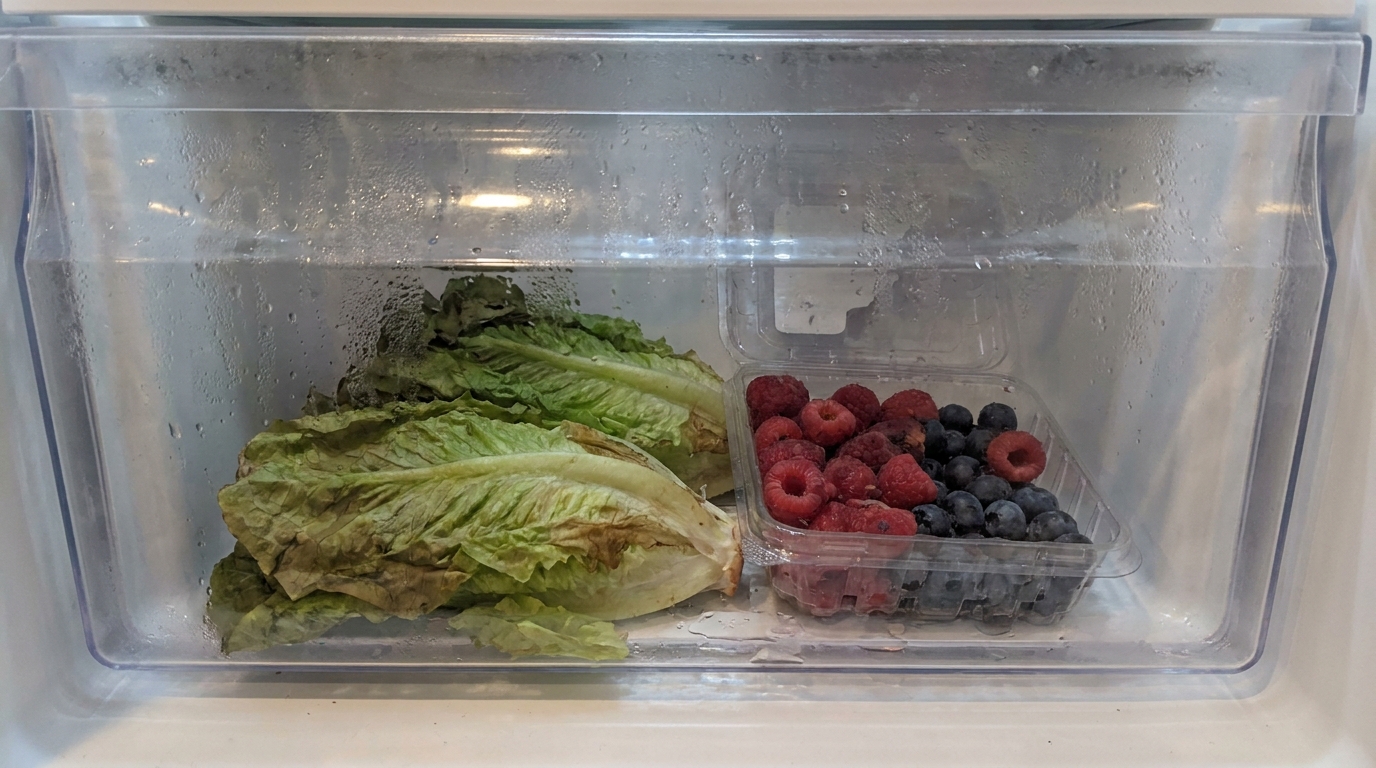
A wet fridge drawer might seem like a minor grocery issue, but it can be quietly costing you money. Signs that the refrigerator is overcrowded, that there is not enough airflow, that the temperature is not right or that the humidity setting is not right for the food inside include condensation, slimy greens, mouldy berries or food that goes bad faster than you expect. The hidden repair clue is apparent when the whole fridge looks inconsistent. Food can freeze in one place and spoil in another. Or the fridge can run all the time. It’s not just about how we store our groceries. If you catch the pattern early, you can help protect your food and the appliance.
Caulking Cracked in Wet Areas
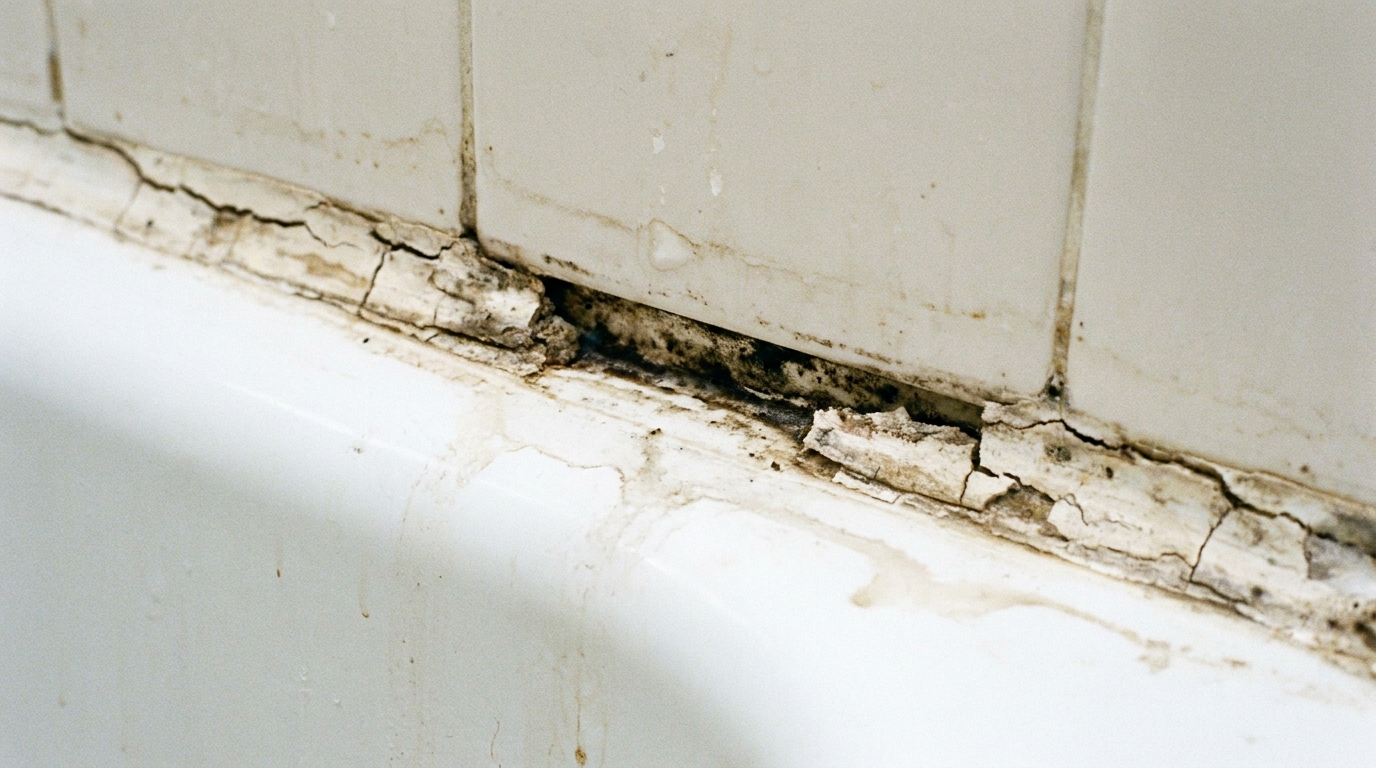
A cracked line of caulk may look like a weekend cosmetic fix. But caulk stops water from seeping into seams around tubs, showers, sinks, backsplashes and countertops. A hole that water passes through regularly is a warning sign. Peeling, cracked, darkened or pulling away caulk could mean moisture is getting to wall edges, cabinets or flooring. Early refreshing caulk usually makes it so much easier than getting to hidden water damage later.
Weird Appliance Sounds That Change Over Time

When the appliance is still working, it’s easy to ignore a strange noise. Most machines, such as refrigerators, dishwashers, washers, dryers and HVAC units, have normal hums, clicks and cycles. The clue is change. If a sound is becoming louder, sharper, more frequent or if it is accompanied by shaking, poor performance, leaks, burning smells, or error lights, it may be worth checking the manual or calling a qualified repair professional. Sometimes a small part problem caught early can save larger damage.
Trash cans too near the house
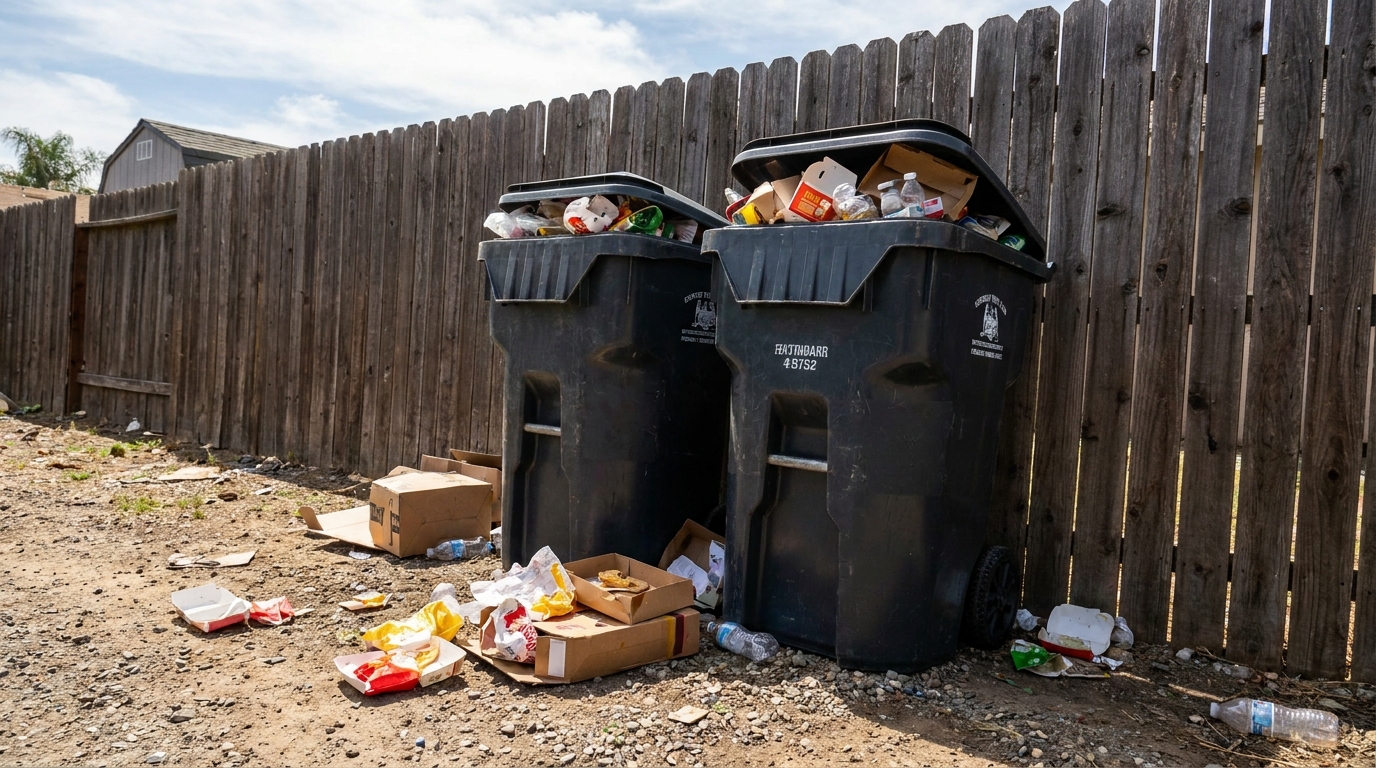
A loose trash lid outside probably doesn’t seem to have anything to do with home repairs. But food odours and spilt crumbs around garages, patios, back doors and side yards can attract pests who might then move in closer to the house. It’s around the activity of the cans, and it’s being ignored, the warning. “Signs of animal or pest visits include droppings, scratched noises or mess around outdoor bins, and chewed bags. Moving cans away from entry points, sealing lids, and cleaning spills early can prevent a bigger problem around vents, crawl spaces, garages, or basements.
Pattern is the best warning sign
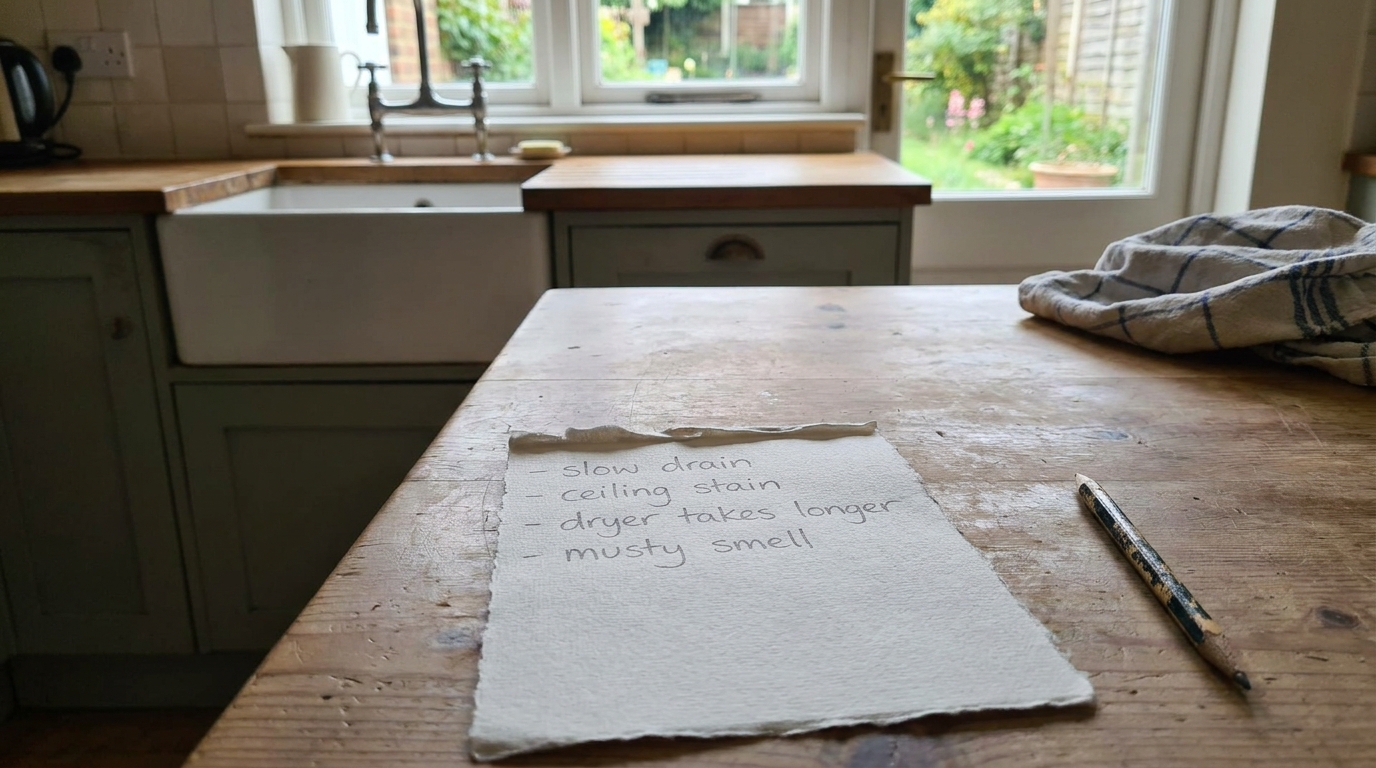
One small sign doesn’t automatically mean an expensive repair is on the horizon. Old stains, drains that just need cleaning, vents that just need dusting, appliances that make normal sounds. A good trick to use is to look for patterns. Repeating signs, spreading signs, worsening signs, musty-smelling signs, signs that show up near water, signs that change with the weather or affect the bills – these are the signs that deserve more attention. In many American homes, getting those quiet clues early on is not panic. It’s knowing when a small thing around the house might be trying to save you a much bigger repair down the road.