A tiny laundry-room trick is getting some renewed buzz, because it can help a regular ol’ American dryer load tumble better before heat sets in wrinkles. The “shake method” is too simple: Separate, snap, and loosen shirts, towels, sheets, waistbands, and pet-hair items before they go in the dryer or onto a rack. But in a lot of American homes, a damp clump translates to stiff towels, wrinkled collars, wet centers of sheets, longer dryer cycles or clothes that look older than they are. These slides show the easy moments people miss, what to look for in the basket, and why the fix starts before you hit start.
Shake Clothes Before Putting in the Dryer.
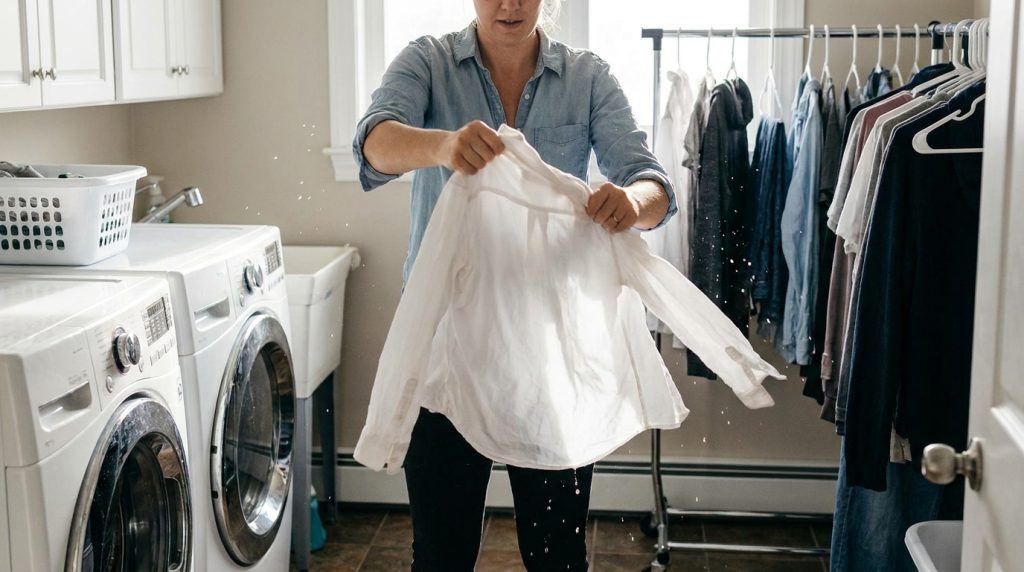
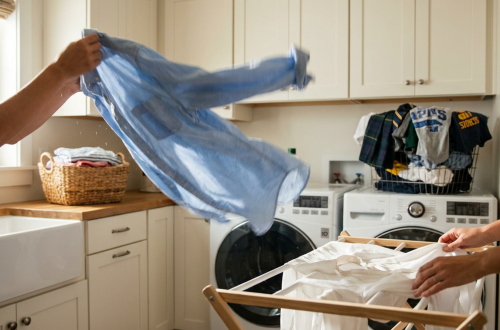
This one-second shake can save a shirt from looking slept-in.
In the average American laundry room, shirts frequently go from washer to dryer in one heavy grab. That shortcut can leave collars folded, plackets twisted and sleeves pressed into damp creases before the heat even gets going. The shake method works because it separates fabric surfaces, allowing warm air to reach more of the shirt as it tumbles. It’s not magic, and it’s not going to replace ironing for every cotton dress shirt, but it can cut down on the deep “basket wrinkle” look many people notice after a full cycle. The best method is easy and works: Pull out one shirt at a time, pop it open, smooth the front with your hands and then loosely put it in the dryer. The little pause creates the next problem: sleeves and pant legs hiding inside themselves.
Separate Twisted Sleeves and Pant Legs.
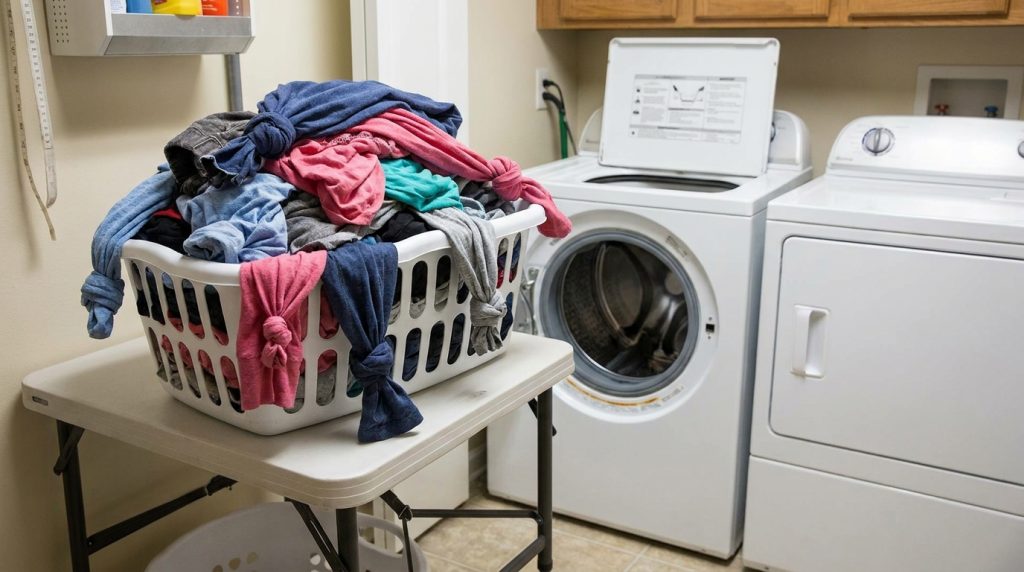
A twisted sleeve can be a crinkle trap.
Long sleeves, pyjama pants, leggings and jeans can come out of the washer like a rope around each other. If you put that bundle directly in the dryer, the outer fabric may dry while the inner folds remain damp and wrinkled. This is why in many U.S. homes one load can emerge with dry T-shirts but wet cuffs, stiff seams or accordion wrinkles down a sleeve. Untwist cuffs, straighten pant legs and shake each item from waistband or shoulder seam before drying. This gives the dryer a fair chance to tumble fabric, instead of spinning a knot. It’s also good at helping you find things that should air dry instead of getting blasted with heat. With towels the same idea is even more obvious where one clump can slow the whole load.
Loosen Clumped Towels Before Drying.
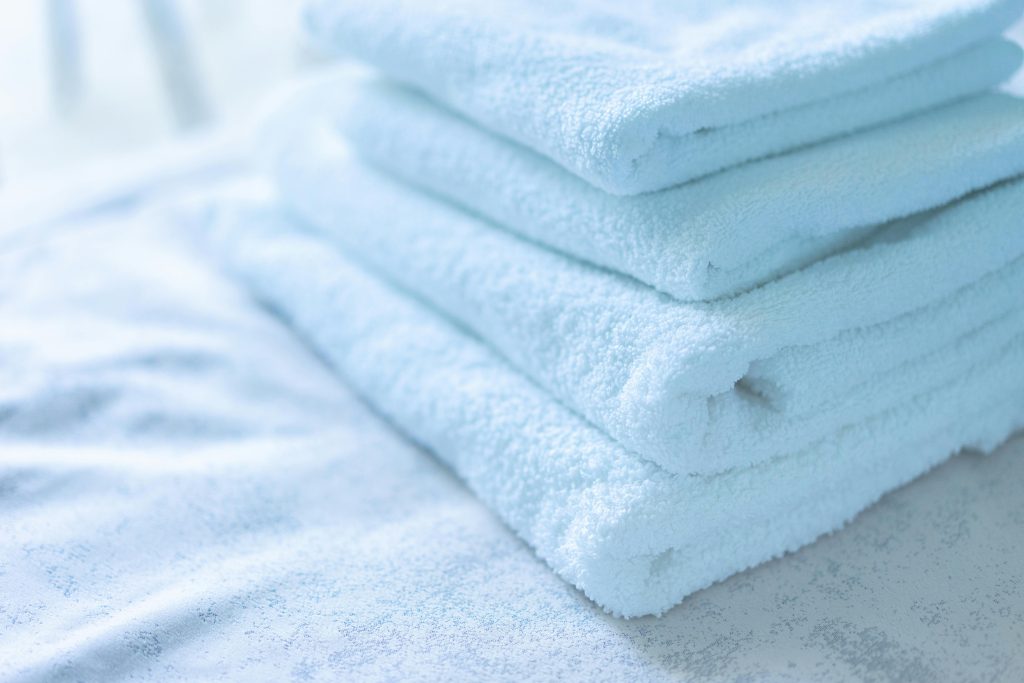
Towels dry out so much longer when they go in the dryer like a wet brick.
Bath towels are bulky, absorbent and easy to toss into the dryer as one heavy lump. That lump can inhibit air circulation through the terry loops, leaving the insides damp and the outside done. In a busy U.S. home, that often means running another cycle, folding a towel that smells off later, or accepting a stiff texture that feels less fresh. The shake method is to help open the towel, break folds and give the dryer more surface area to work on. Instead of packing it down, hold two corners and give the towel a snap or two, then leave it loose in the drum. This won’t cure a clogged lint screen or an overloaded dryer, but it will help a normal load tumble better. Beach towels make the problem larger and more expensive.
Give Beach Towels Room to Tumble.
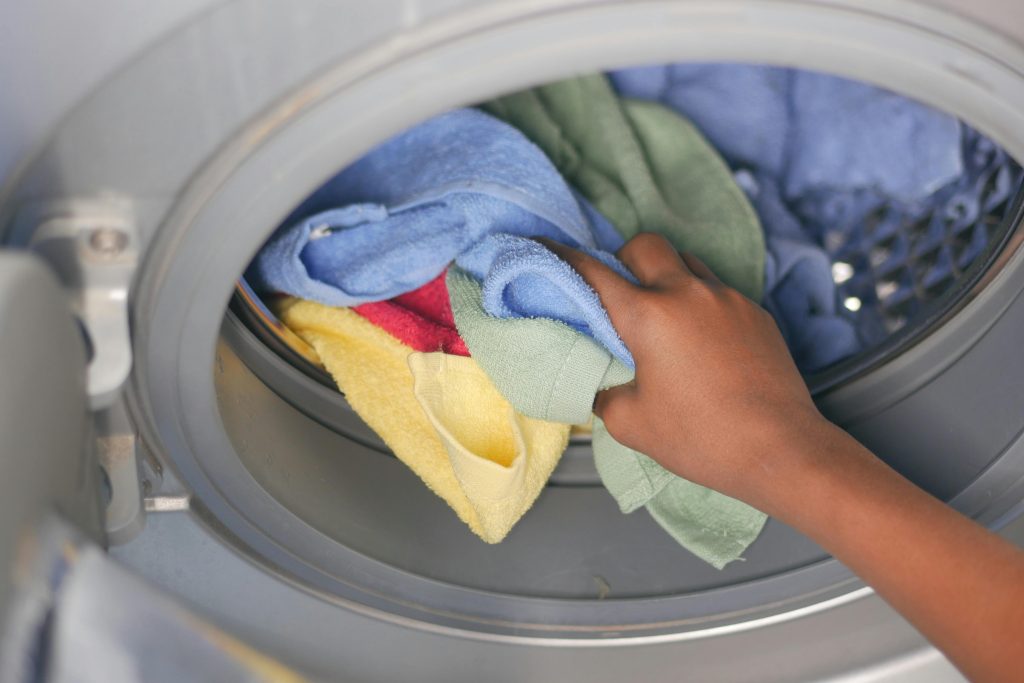
Summer towels can make it two dryer loads.
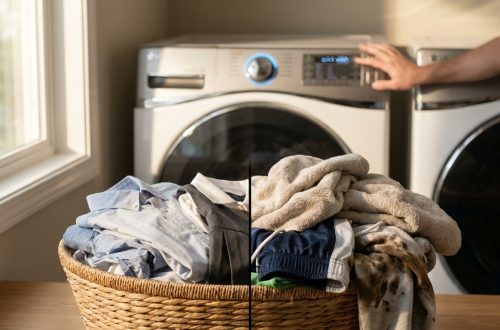
After a pool day, lake trip, or a weekend at the beach, American laundry rooms are often faced with a pile of oversized towels at the same time. The mistake is that they are used as normal hand towels. Big towels fold in on themselves, trap damp centers, take up so much drum space that tumbling is more like spinning a bundled bag. Open each towel out completely and separate sandy or extra-heavy pieces. Do not stuff the dryer past a loose tumble. Warm air doesn’t pass through a towel well when it can’t fall and flip. Dryer balls can help separate bulky items but they work best when there is room in the load. It’s a time and energy saver in practical terms: less damp corners, less restarts, and towels that are less flattened. Now, forget the heavy fabric and focus on the little things people notice first.
Smooth Collars Before Heat Sets Wrinkles.
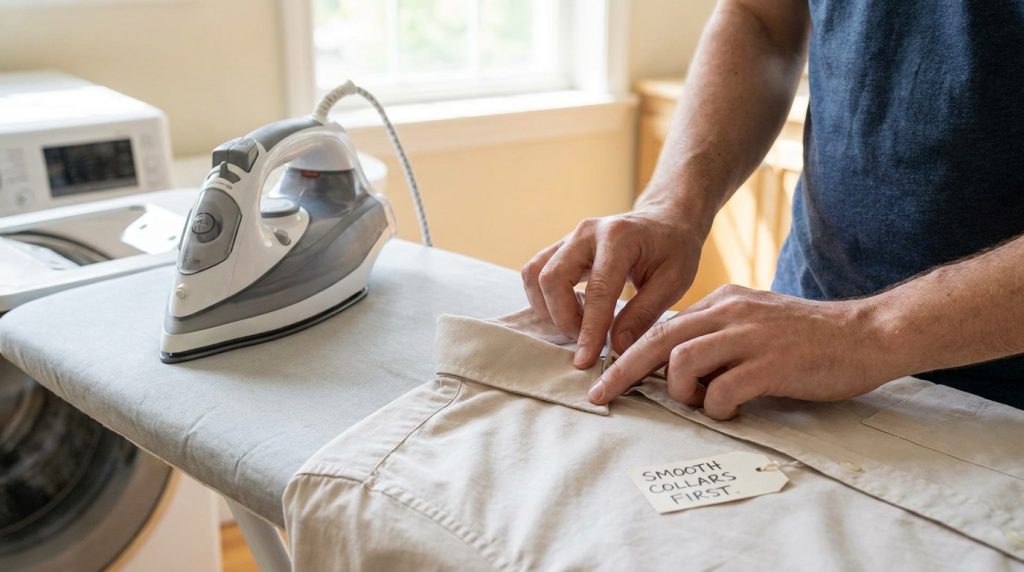
A folded collar can appear permanently irritated.
Collars, cuffs, plackets and shirt bottoms are small but they are the bits people see when clothes look ‘not quite clean’. And if a collar gets folded under itself in the dryer, the cycle can dry that fold in place. That’s why in many American homes, a shirt is wrinkled even when the rest of the load is dry. The fix is simple, once you’ve shaken the shirt out, run your fingers along the collar and cuffs to flatten them before tumbling. If your fabrics tend to wrinkle, check the care label and use a lower-heat setting or a wrinkle-control setting, if your machine has one. Quickly shedding clothes is also important. The shake is the first line of defence. But not the only one. The same shake can then be used for something every pet owner is familiar with.
Shake Pet-Hair Items Before Drying.
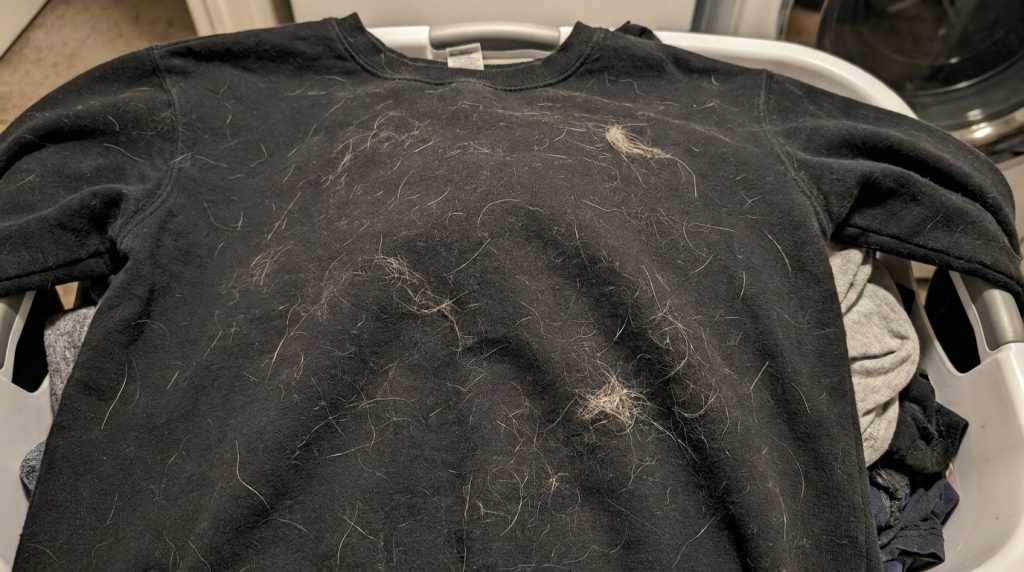
Pet hair is drawn to damp clumps of clothing.
The dryer is often expected to do too much for dog and cat households. A lint screen helps, but if a hoodie or throw blanket is folded before going in, pet hair can get trapped between damp layers. Before tumbling, shake the item outside the washer over a laundry basket or near a washable floor to loosen surface hair and open the fabric. This is especially useful for dark sweatshirts, fleece pants, pet blankets and kids’ clothing that collects fur from couches. Be mindful of allergies and clean the lint screen before every load, as blocked airflow can also make laundry damp. The goal isn’t to send hair flying across the room, it’s to separate fabric so the dryer can do its job better. The next slide shows why the weight of the fabric is just as important as the shake.
Separate Heavy Pieces From Light Fabrics.
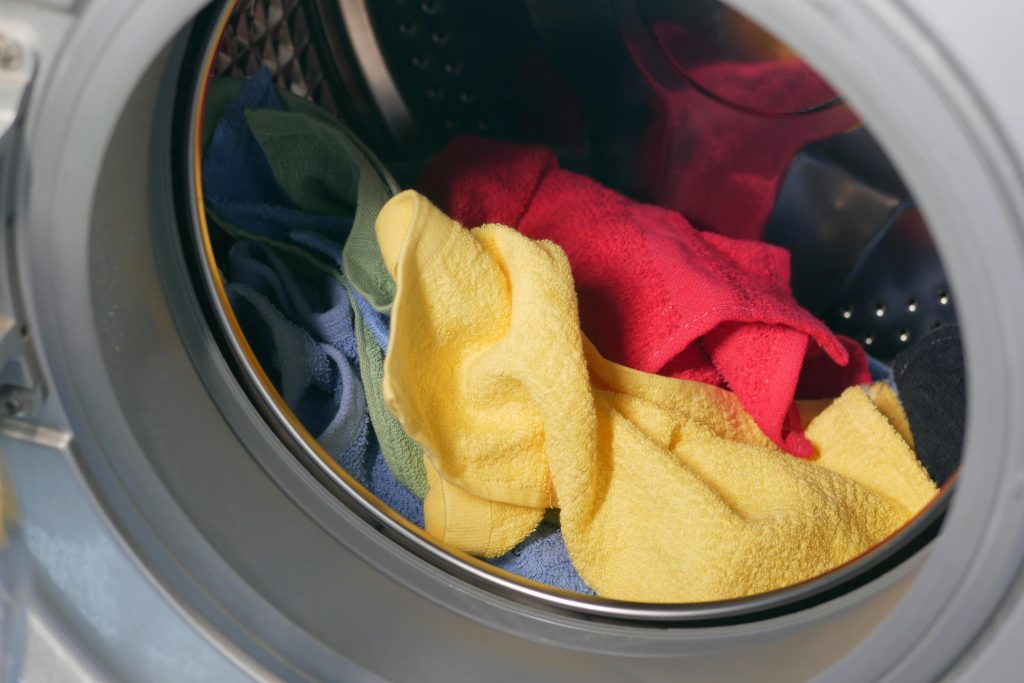
Jeans and thin shirts don’t always belong in the same dryer fight.
A popular laundry shortcut is to just toss everything that fits into the washer: jeans, towels, T-shirts, school clothes, work shirts, and maybe a hoodie. But heavy pieces can catch lighter fabrics against the drum or ball them up. This can leave you with a wrinkled thin shirt while the thick seams, waistbands and folds of towel remain damp. The shake method works best when the load itself makes sense. In many American homes, a practical way to avoid second cycles and odd wrinkles is to separate heavy cotton towels, denim, sweatshirts and bedding from lighter shirts. You don’t have to have a perfect system, even pulling out the heaviest pieces before drying delicate shirts can help. The next slide is the one most people are familiar with, dumping a whole clump of washers into the dryer.
Avoid Tossing One Big Laundry Clump Inside.
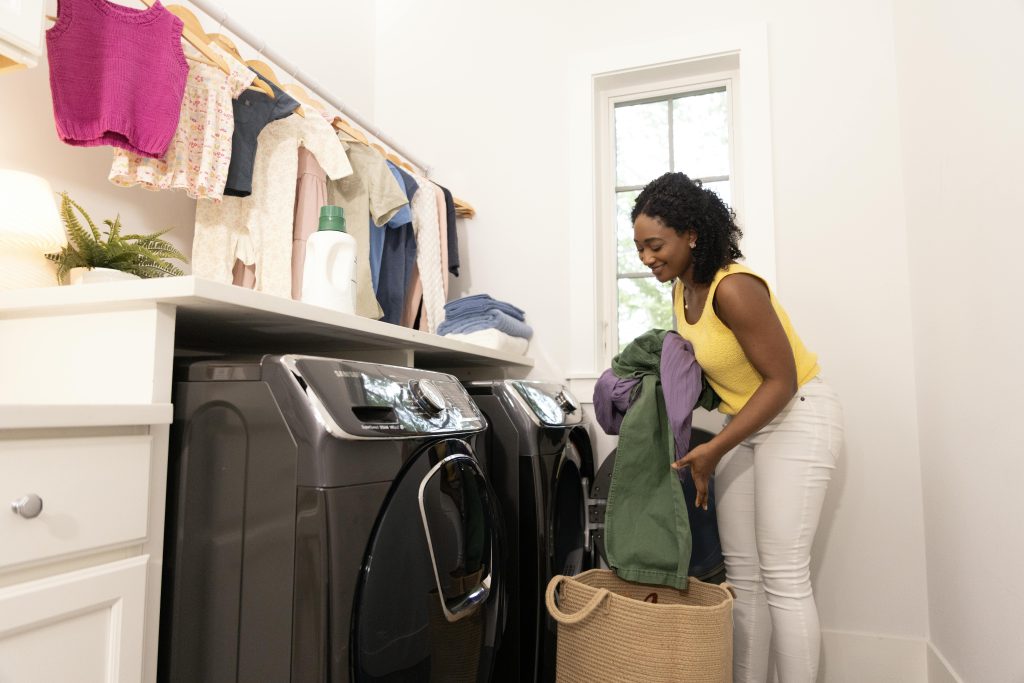
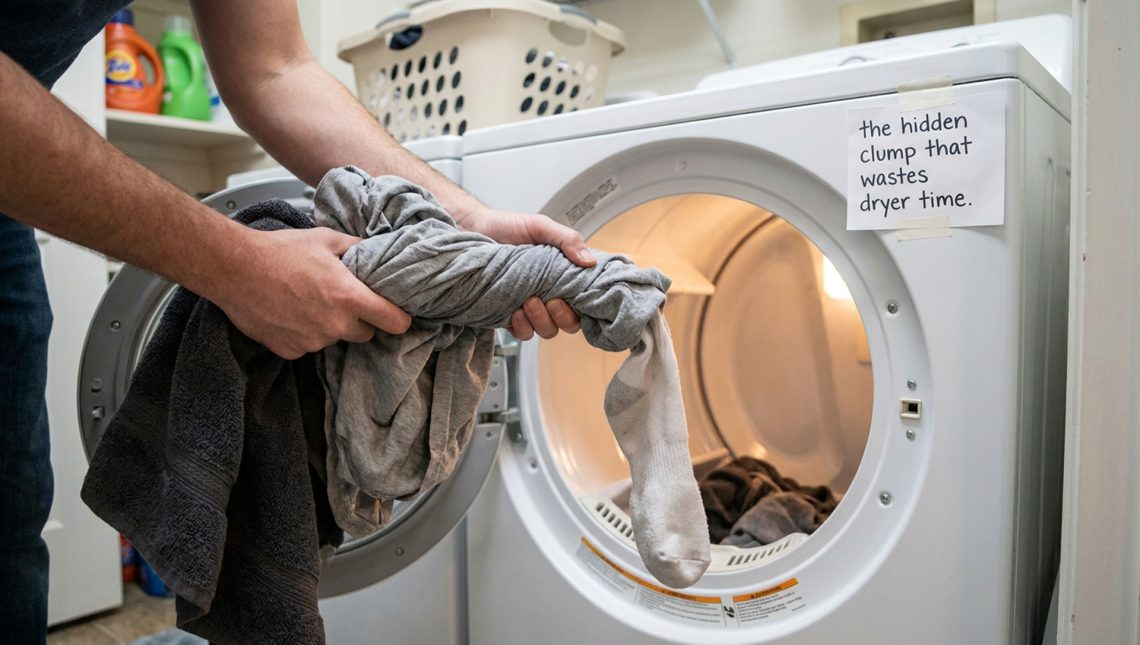
The habit to question Is a big wet laundry grab.
The shake method is really a transference method. Instead of taking the whole load out of the washer and dumping it, as one wet pile, into the dryer, take things out one at a time, unravel them and let each item go into the drum loosely. This is important because a dryer needs tumbling and airflow, not just heat. The U.S. Department of Energy says moisture sensors can help avoid over-drying, but a smart dryer still struggles when fabric is crammed into folds. This slide is a very strong visual as the readers immediately identify the shortcut. It also seems useful: the fix costs nothing, takes less than a minute for many loads, and may eliminate the surprise of “still damp in the middle.” There is one hidden spot to double-check, even after drying.
Check Damp Waistbands Before Folding.
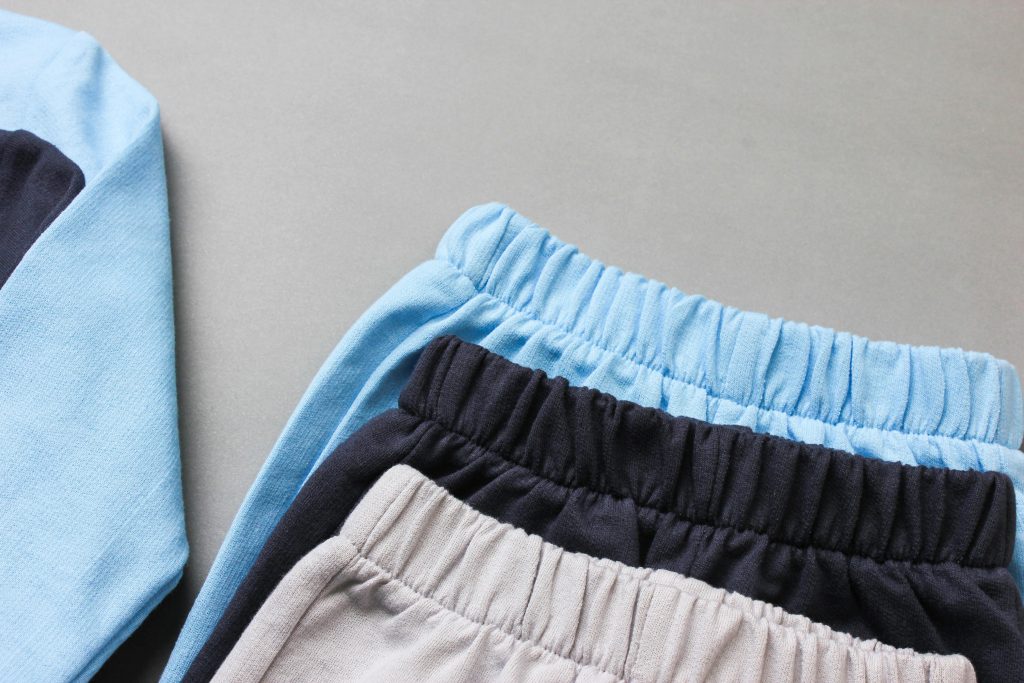
Dry looking clothes can hide damp seams.
Sweatpants, jeans, joggers, school uniforms and kids’ shorts often feel dry on the legs but stay damp at the waist band, pocket bags or thick seams. If you fold them too soon, the drawer can develop musty smells or stubborn creases. Check the thickest part of the garment, not just the front panel, before folding. If it is a little damp, tumble more, hang for a moment or two, or put it with lighter items on the next run. Here the shake method is useful twice; once before drying and again when checking for any hidden dampness. In many homes across the U.S., this may save the pesky moment when “clean” clothes smell off later. The last slide shows why the method is not only for machine dryers.
Use the Method Before Air-Drying, Too.
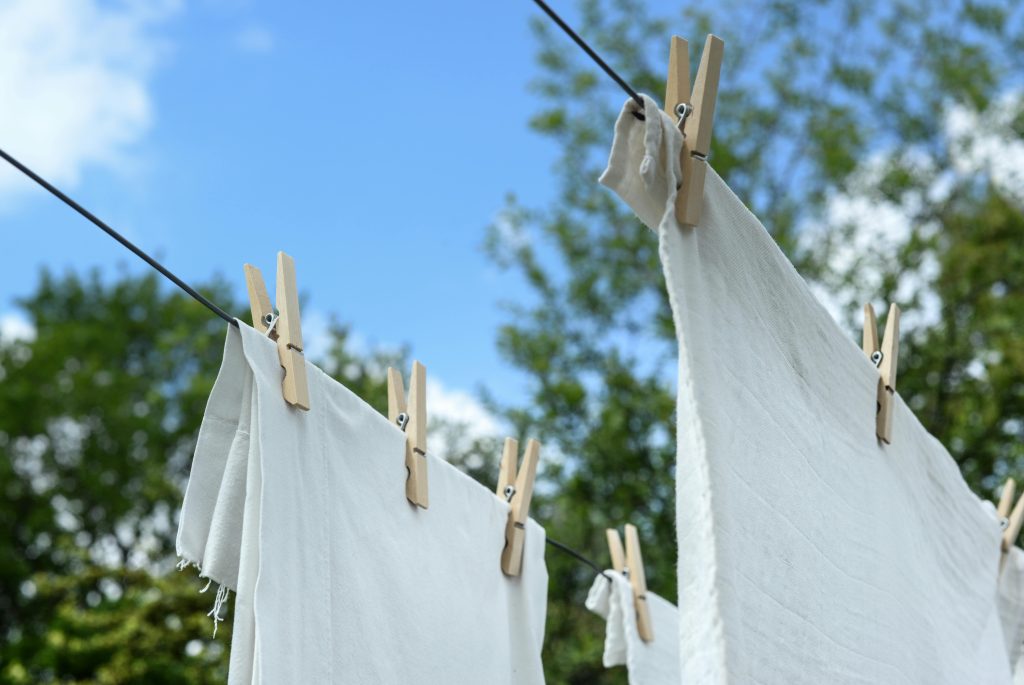
A rumpled shirt is not ironed by air-drying.
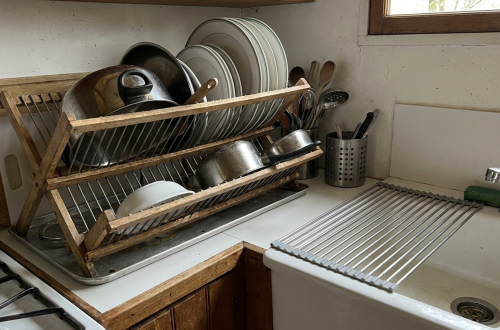
And for renters, flat dwellers, college households, and anyone avoiding dryer heat, the shake method still counts. A clammy shirt is hanging in folds and dries with stiff ridges, stretched shoulders, or musty-smelling overlap areas. Shake garments before hanging and smooth collars and hems. Allow room between items for air to circulate. Some homes will benefit from a fan or dehumidifier, but the first step with no cost is to simply open the fabric before it dries. This is especially useful for t-shirts, leggings, workout clothes, towels and light weight pants. It’s not a miracle cure for every wrinkle, but it transforms laundry from a tight, wet pile into individual items that can actually dry. That makes it a good, practical U.S.-home habit: It’s free, visual, and easy to repeat.