Cleaning cloths may seem simple, but in many American households they migrate from sink edges to counters, bathroom mirrors, greasy stovetops, laundry baskets and back again. Small fabric habits can quietly alter how fresh a room feels, how easily surfaces wipe clean, and whether towels come out of the wash ready to use. This gallery takes a look at the daily tasks people often forget about: where to put damp cloths, using fabric softener on microfiber cloths, wiping greasy spots first, mixing old rags with clean towels, and using one cloth across too many rooms. Each slide has a visual, practical prompt that is easy to check without harsh warnings or complicated cleaning instructions.
One Cloth Moving Across Too Many Surfaces
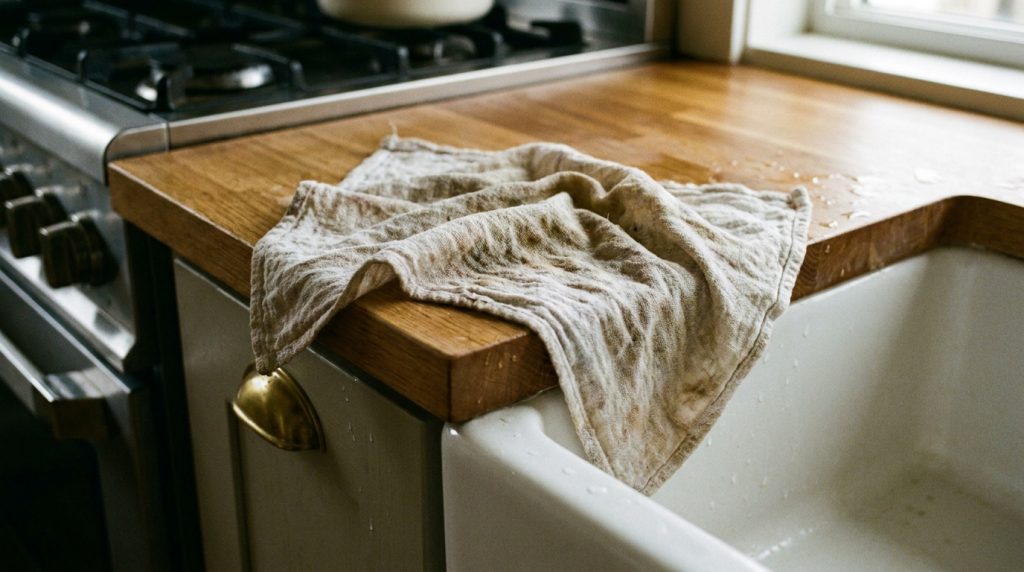
The same cloth may be doing too much.
In many US kitchens, one cloth is used for the counter, faucet, edge of the stove, table crumbs and maybe a cabinet handle before anyone thinks twice about it. This can reduce the freshness of a room, as the cloth may carry moisture, food particles or an oily film from one place to another. A simple fix for this is to rotate cloths by zone. One for food-prep surfaces, one for general wipe-downs and one for bathroom or utility areas. Color-coding helps because nobody has to remember which cloth went where. Cleaning doesn’t have to be complex. It’s to prevent one little square of fabric from becoming the thing that silently spreads the same freshness problem around.
Damp Cloth Left Beside the Sink
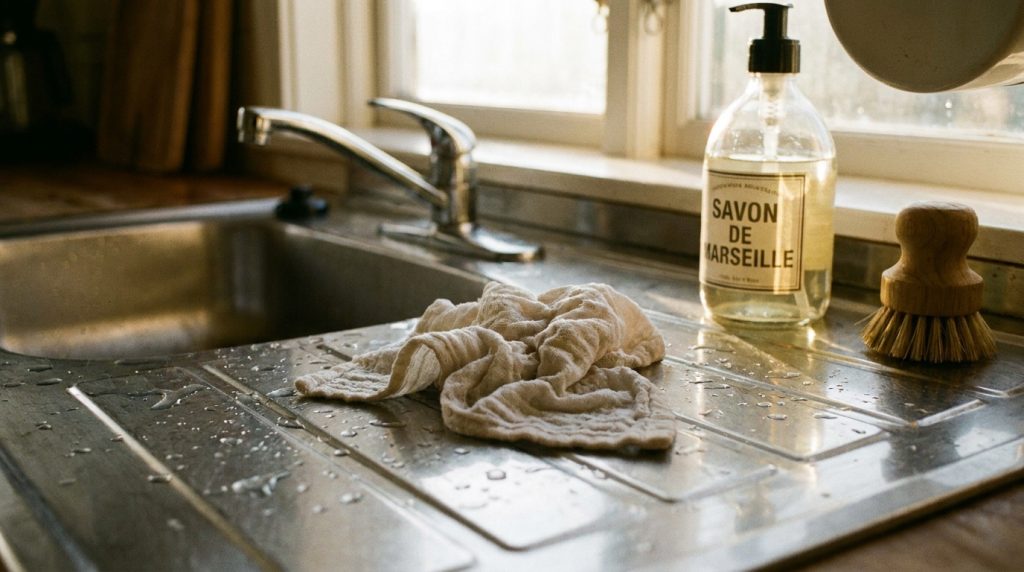
The sink cloth might be the freshness cue you need.
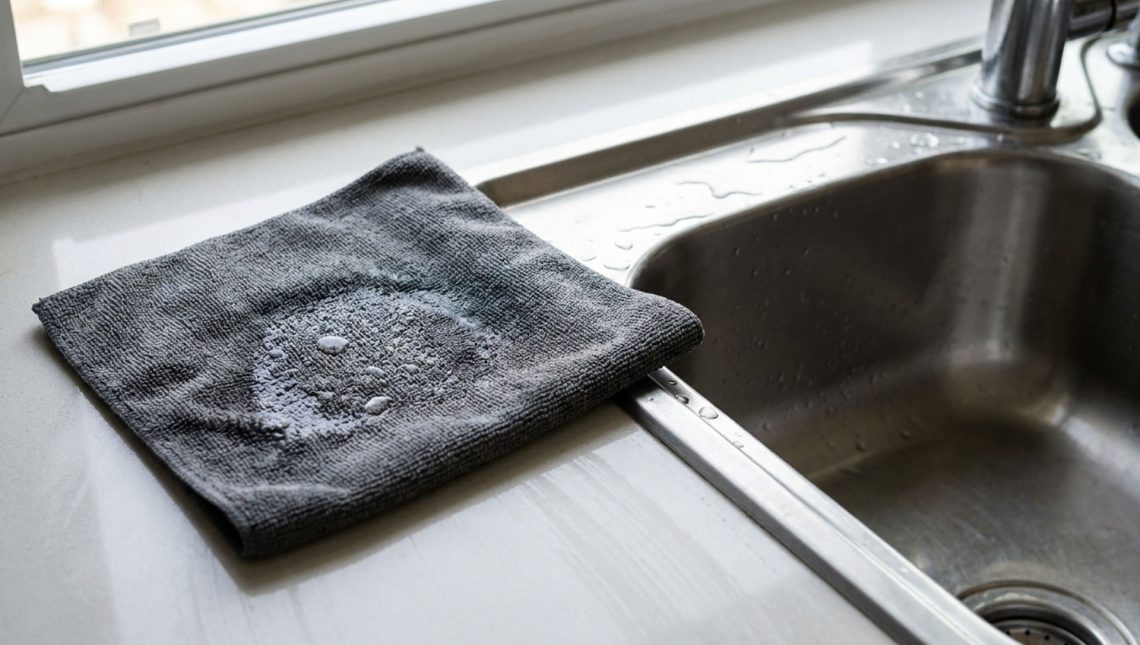
A damp cloth lying in a pile next to the sink is one of those mundane details that escape notice. In a typical American kitchen, it could live through coffee and dinner prep, dishes, and the next morning’s wipe down. But the cloth can make the rest of the sink feel less fresh, even if it looks clean: it dries slowly and picks up tiny bits of food residue. It can be laid flat over a rack, a faucet divider or a laundry room hook to air dry before washing. For busy homes, a small “used cloth” basket tucked away from view of the sink makes the habit easier to maintain without adding another big chore.
Washing Microfiber With Fabric Softener
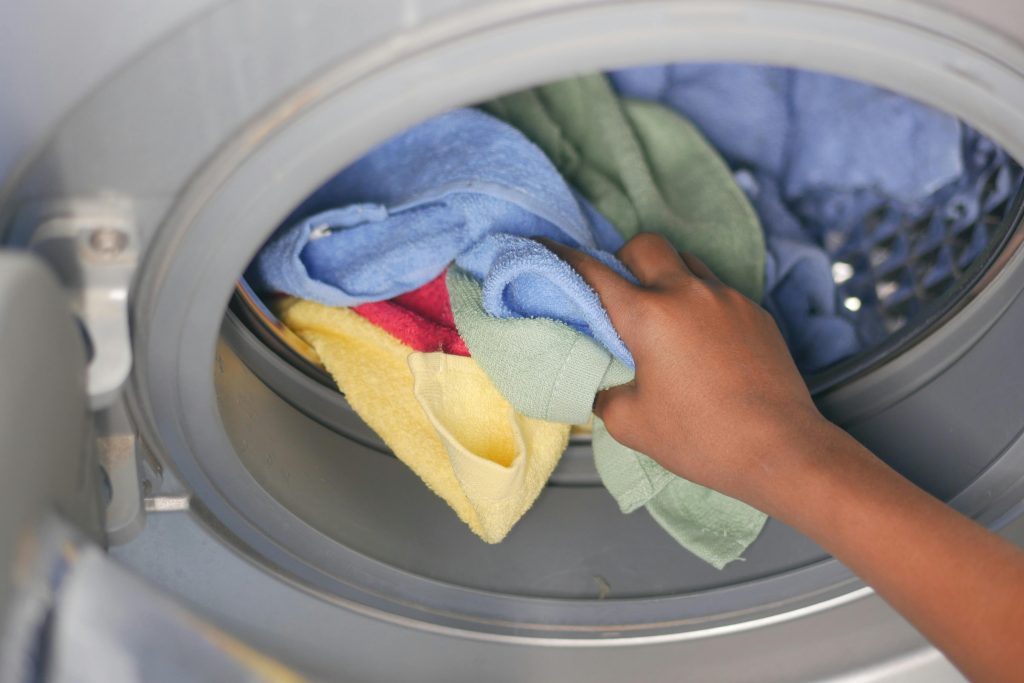
Cloths that feel soft may not be the best for wiping.
Microfiber cloths are popular with people because they appear to pick up dust and streaks quickly, especially on mirrors, counters, appliances and car interiors. But in many laundry rooms, they’re mixed in with towels and washed as regular fabric. Fabric softener and dryer sheets can leave a coating that may diminish the grabby texture people are seeking from microfiber. The right way to wash your microfiber is to wash it separately or with other microfiber (or like cloths) with a simple detergent and dry low or air-dry when possible. It’s a small care habit, but it helps keep cloths doing what people bought them to do, instead of just pushing streaks around.
Wiping Greasy Areas First
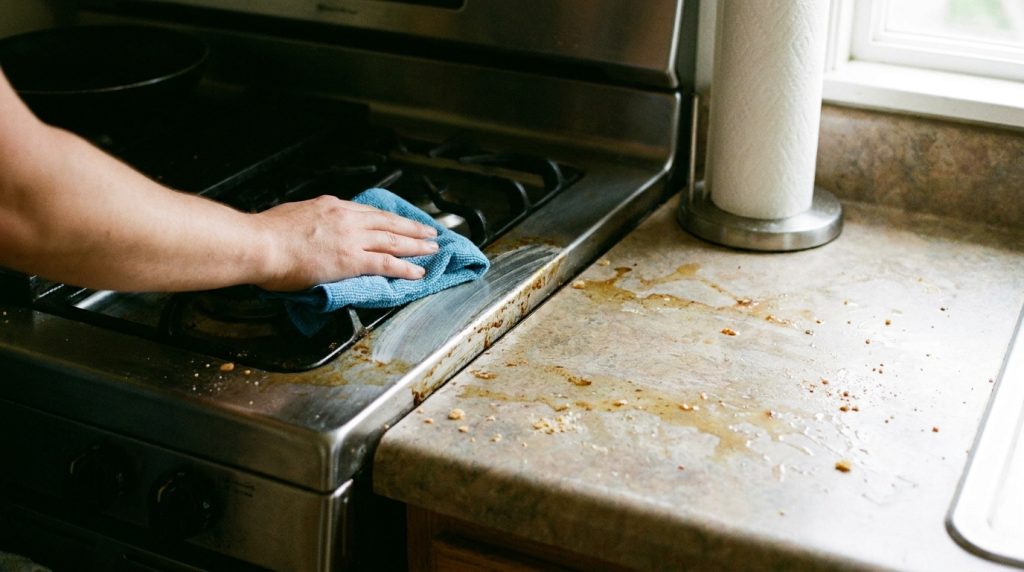
The first wipe can determine how fresh the next wipe is.
If you wipe the stovetop, microwave handle, or range hood edge first, the cloth will pick up a thin film of grease right away. Then the same cloth often goes to the counter, table or cabinet fronts leaving surfaces looking dull or less fresh even after cleaning. In a busy U.S. kitchen, it’s tempting to work from the messiest spot out, but a better rhythm is usually the opposite: start with cleaner surfaces and move to greasy areas last. For heavy kitchen residue, use a dedicated rag that goes directly to a separate wash pile. ”This avoids a small greasy job turning into a whole-room freshness problem.”
Old Rags Mixed With Clean Towels
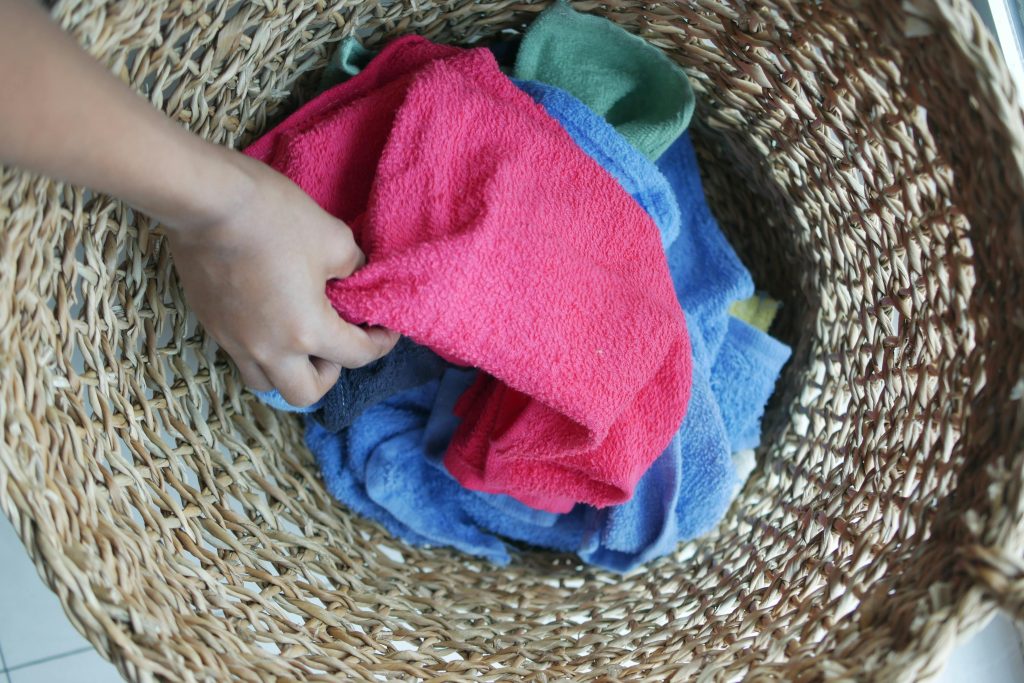
The laundry basket could be mixing jobs that aren’t meant to go together.
Many households have one “towel load,” but cleaning rags do very different work than bath towels, hand towels or dish towels. A rag under the sink, near the garage, on a greasy appliance or around a pet area may have odors and residue that clean towels don’t need to carry. A separate small container for used cleaning cloths will make sorting laundry easier and help the whole load come out fresher. This is particularly useful for families, renters and homes with limited laundry space. The fix is not fancy: sort by job before wash day, then air everything completely before it goes back in the cabinet.
Cloth Stored Before It Fully Dries
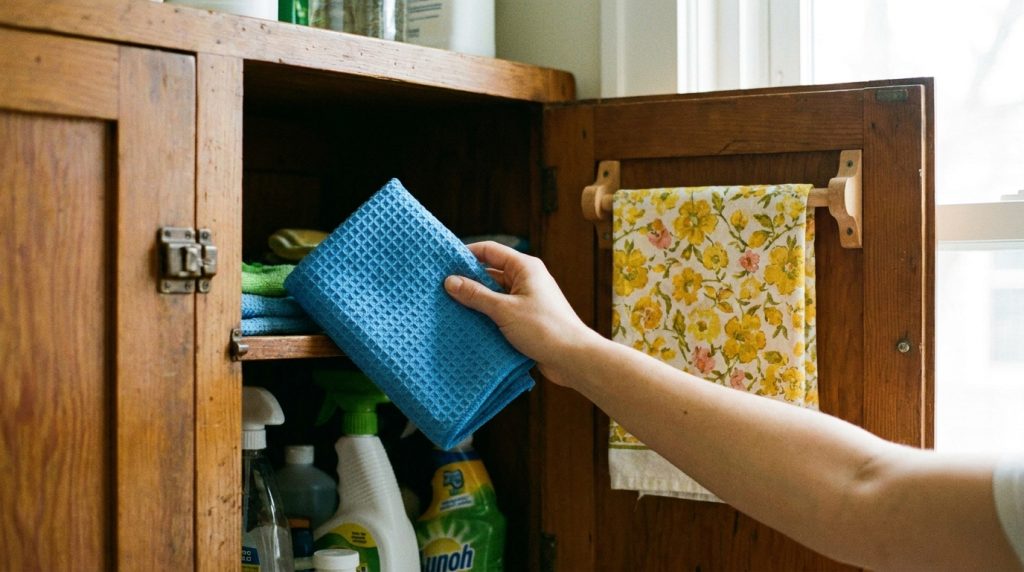
A well-folded cloth can still be put away too soon.
Folding a cloth while it is still damp seems like a small thing, especially once the kitchen is finally reset and the counter is clear. But that moisture could last longer than you think in a cabinet, under-sink bin, or laundry-room basket. In humid places like the Gulf states, or in a small apartment where there is not much air circulation, the cloth can feel stale when you take it out the next time. Another low effort habit is to let cloths dry open before folding which also helps the storage area feel cleaner. A simple clip or hook or small rail under the sink can be the difference between a cloth ready for the next wipe, and one that already smells used.
Cloth Basket Too Close to the Trash Can
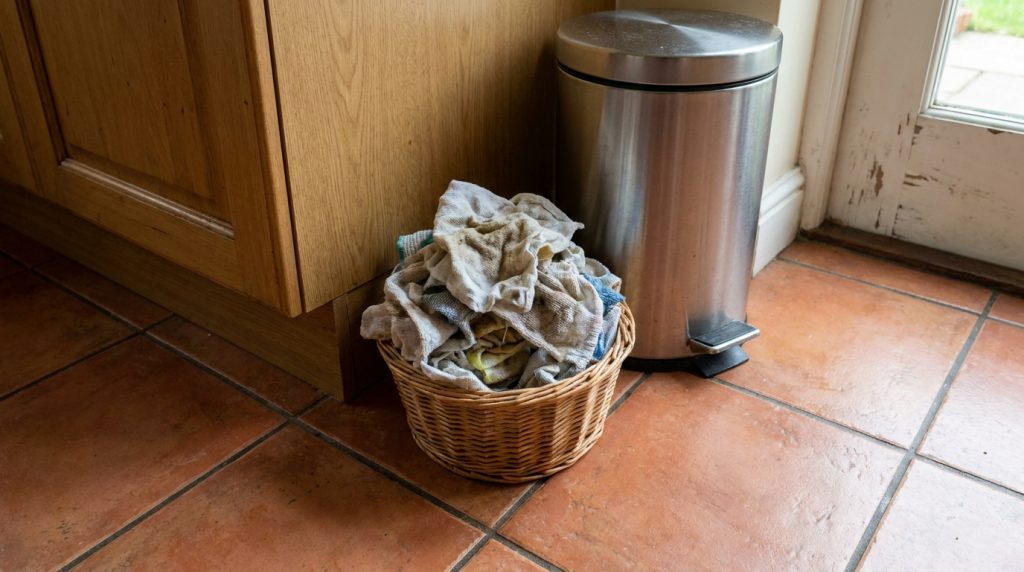
The placement of the cloth basket may not be working for the room.
A basket of used clothes is handy but location is everything. In many American kitchens, laundry rooms, and mudrooms, the most convenient place to put a rag basket is next to the trash can, recycling area, or utility sink. That’s convenient, but it can also mean the cloths can absorb surrounding odors ahead of wash day. A better option is to store it in a small breathable basket or a hanging wet bag, away from trash, pet food or food-prep areas. The point isn’t to hide the cloths, the point is to keep used cloths from becoming part of the room’s stale corner. This little storage switch can make the reset routine seem cleaner before anyone even starts wiping.
Using Paper Towels on Wet Grime First
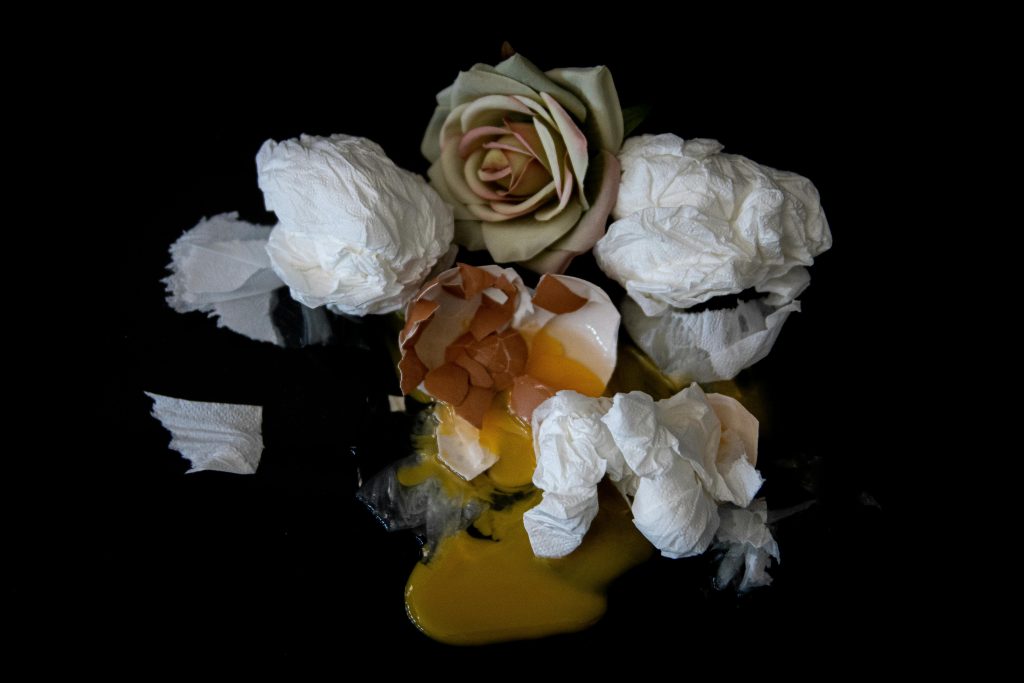
That quick paper towel wipe may not be the speediest way to finish.
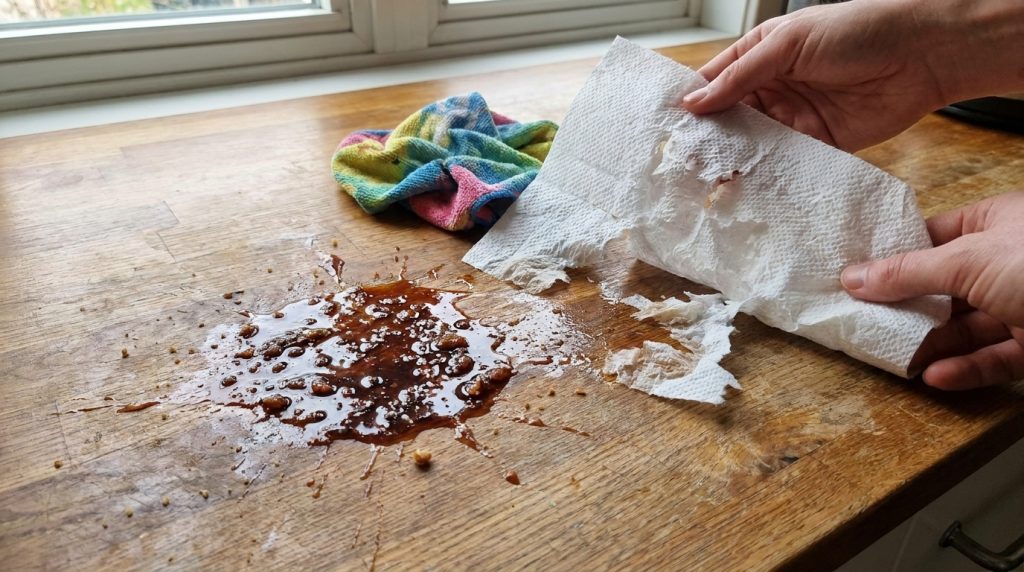
Paper towels are good for a lot of little jobs but if they get wet with grime they can make things extra work. Paper can tear or smear or leave little fibers that require a second wipe on a sticky counter or sink edge or fridge shelf or muddy entry spot. In many American homes a better way is to first pick up the wet mess with a special cloth, rinse or set that cloth aside, then finish with a dry towel or fresh cloth if needed. This can save paper towels and prevent the surface from looking streaky. The trick is to match the tool to the mess: paper for quick, dry touch-ups, cloth for wetter jobs, and a clean finishing cloth when the surface needs to feel fresh.
Not Rotating Cloths by Room
Maybe the best solution for freshness isn’t a more powerful cleaner, but a cloth system.
A color or label system might seem like a professional cleaning cart sort of thing, but it works great in regular homes, too. The same piece of cloth roaming around the house can be avoided by using one color for the kitchen, one for bathrooms, one for dusting and one for garage or utility work. It also helps kids, roommates and guests helping after dinner know what cloth goes where. Three separate hooks can even work in small apartments. The payoff is easy: cloths dry better, loads are easier to sort and the home’s freshness routine is less dependent on memory. Once the system is on the radar, the habit becomes much easier to repeat.
The “Clean” Cloth Drawer That Stops Feeling Fresh
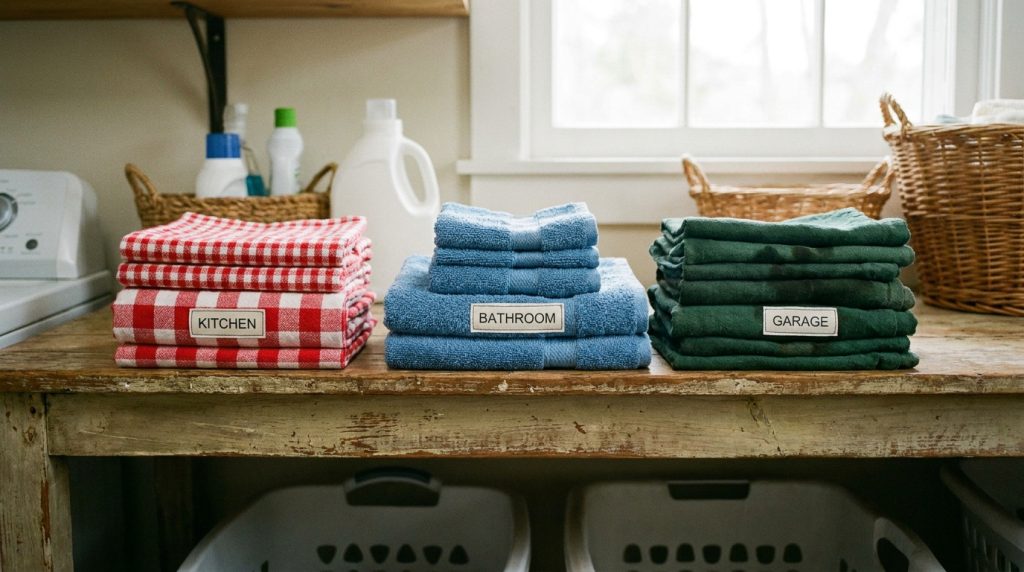
A cloth drawer can lose the “fresh laundry” feel faster than.
In many homes across the U.S., clean rags are quickly folded and stuffed into one overstuffed kitchen drawer, laundry shelf or under-sink basket. At first everything is okay, but tightly packed stacks can prevent cloths from staying completely dry and separate by purpose. Kitchen towels get mixed with garage rags, microfibers with greasy cleanup towels and bathroom cloths shoved wherever there’s room left. Even if everything was technically washed, this can make the whole drawer feel less fresh over time. A simple reset helps: allow a little airflow between stacks, separate cloths by room or task, and don’t stuff towels that are just dry into an already full space. The storage location is often part of the freshness routine people miss.