A shirt pulled from the washer can still come out of the dryer rumpled, twisted, or oddly shaped. In many U.S. laundry rooms, that little window between the washer and dryer may mean more than you think. A quick shake, collar smoothing, sleeve check or hanger reset helps shirts dry with fewer obvious creases and less clumping. These simple laundry habits are particularly helpful for T-shirts, button-downs, school clothes, work tops and delicate shirts that tend to linger in baskets, dryers or drying racks a bit longer.
Shake Shirts Before They Hit the Dryer

The little shake before the drying process might be doing more than it looks.
In many U.S. laundry rooms shirts are pulled from the washer and tossed into the dryer twisted, folded or stuck to heavier items. A quick shake can help loosen the fabric up before the heat and tumbling begin, which can help the shirt to move more freely rather than drying in a clump. This is especially good for cotton tees, work shirts, school shirts and lightweight tops that wrinkle easily in a packed load. It’s not a magic substitute for steaming or ironing, but it can help make the finished shirt look less crushed. Think of it as a ten-second reset before the dryer shapes the shirt.
Smooth Collars Before Heat Sets Creases

If a collar is folded incorrectly, it may stay that way when it dries out.
Collars are small but can change the look of a shirt once it is dry. Before throwing polos, button-downs or school uniform shirts in the dryer, lay the collar flat and smooth it out with your fingers to prevent it from curling under. In a typical American laundry routine, it is easy to skip this step because the shirt already looks clean enough. The problem is, wet fabric tends to dry in the shape that it holds. A quick check of the collar can help the shirt look neater later especially if the dryer runs hot or the load sits around after the cycle ends. It’s an easy habit to form with a clear payoff.
Open Sleeves That Twist in the Wash
Long sleeves can secretly become laundry knots.
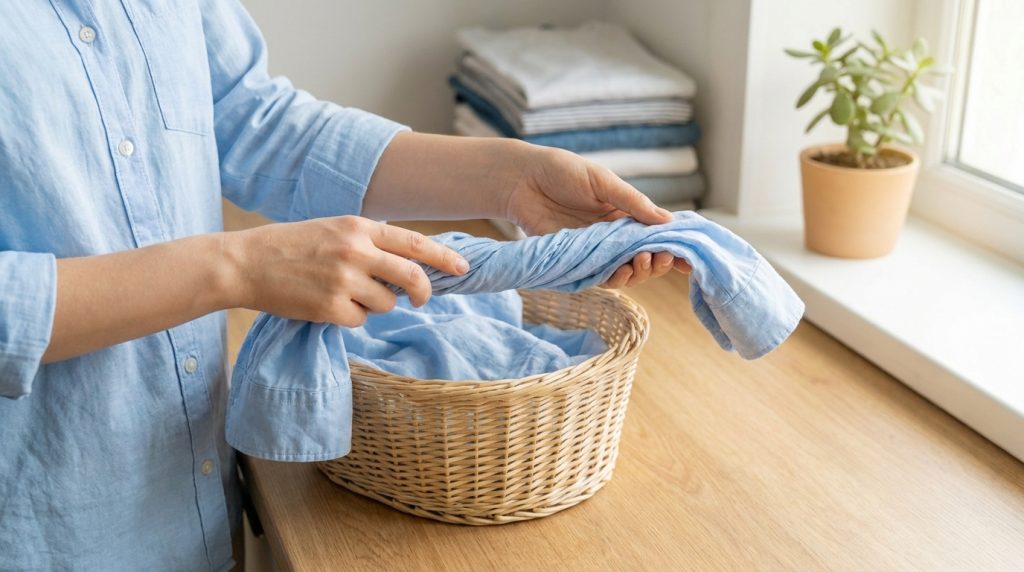
Long-sleeve shirts like to twist themselves up in the washer, especially in family loads with towels, jeans, hoodies or kids’ clothes. If the sleeve stays folded into the shirt or wrapped around something else, it may take a little longer to dry and will have deeper folds when you take it out. Once shaking the shirt and letting the fabric fall naturally for a second before drying. Pulling each sleeve loose. Easy habit for work shirts, cotton tees, athletic tops, and winter layers. It’s also a quick opportunity to catch cuffs folded inward before the dryer turns a small twist into a more stubborn wrinkle.
Flatten Hems Before Air-Drying
The bottom of a shirt can dry with the most prominent crease.
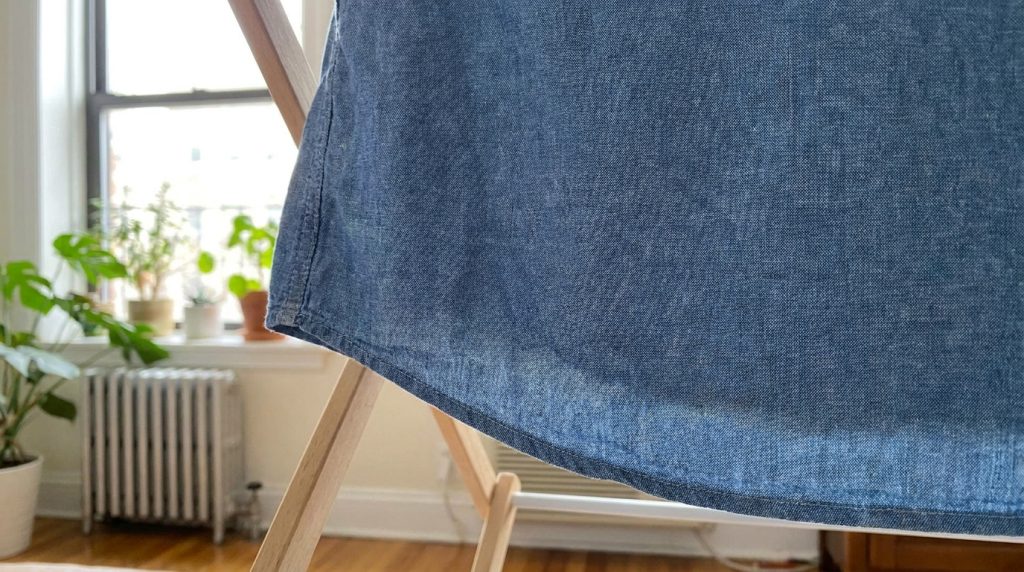
Air-drying is nice on shirts but also makes the starting shape more important. If the bottom hem is folded, bunched or rolled under on a rack it can dry with a visible line. Before hanging a T-shirt or light top, run your fingers along the hem and gently tug side to side. This small step can make a big difference for shirts that come off the rack in rental apartments and homes that don’t have a lot of space for drying. It’s especially good for cottons and blends that hold fold marks. The goal is not perfection, but fewer dry-in-place creases.
Separate Lightweight Shirts From Heavy Towels
A load with lots of towels can work against your shirts.
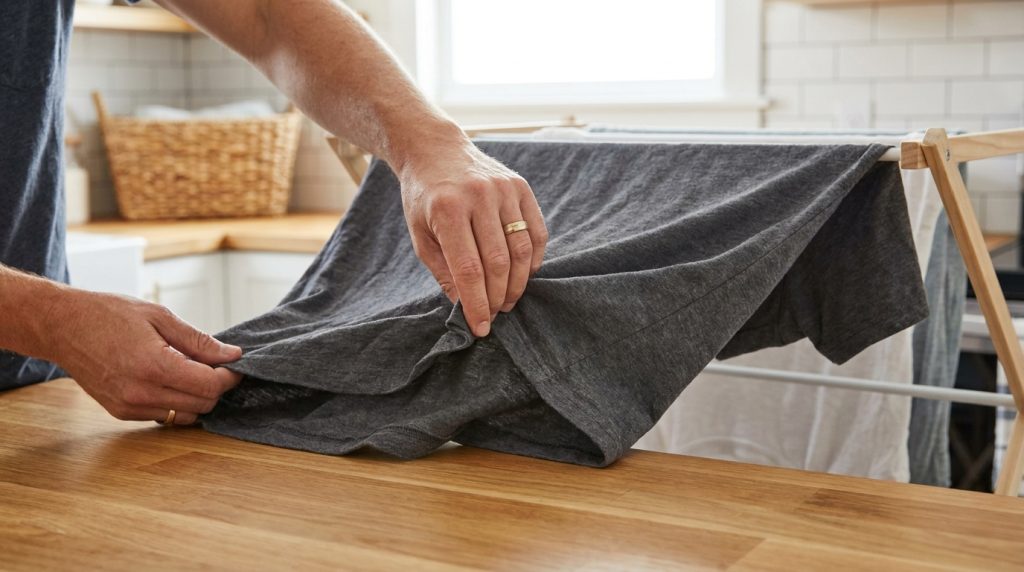
Light shirts and heavy towels will not always dry at the same speed. If they fall together, shirts can end up wrapped around towels or pressed under heavy items, which can result in more wrinkles than you expected. It’s what happens in many U.S. homes when they’re doing a weekend laundry catch-up and everything is thrown into one load to save time. If shirts are a problem for work, school or errands, try shaking them out and drying with similar-weight items. There is no need for a complicated laundry system. It just gives shirts more space to move, dry and keep their shape without having to fight a load full of wet towels.
Give Button-Downs a Quick Shoulder Pull

Shoulders on a button-down can dry with funny little peaks.
Resetting the shoulders before drying can make button-down shirts look better. Shake the shirt open and hold it by the shoulder seams, giving a light pull so the fabric hangs evenly. Then smooth the front placket and collar before hanging or drying on an appropriate cycle. This is useful for office shirts, school shirts, church clothes, and casual flannels in many American homes. Do not pull or stretch. The idea is to reshape the shirt while it is wet. A few seconds spent here can mean less steaming or ironing later.
Hang Delicate Tops Before They Wrinkle in a Pile

A lot of careful washing can be undone by the laundry pile.
Soft knit shirts, light blouses and delicate tops can develop wrinkles quickly if left damp in a basket. Even a few heavier items placed on top can press folds into the fabric before drying begins. If you don’t want to iron a shirt, remove it from the load first, shake it out, smooth the seams and hang it right away if the care label allows. This practice is handy in busy U.S. households where laundry is often interrupted by dinner, school pickups or errands. The goal isn’t to do a perfect laundry job but to save the shirts that are most likely to show every wrinkle.
Know When an Item Still Needs Steaming
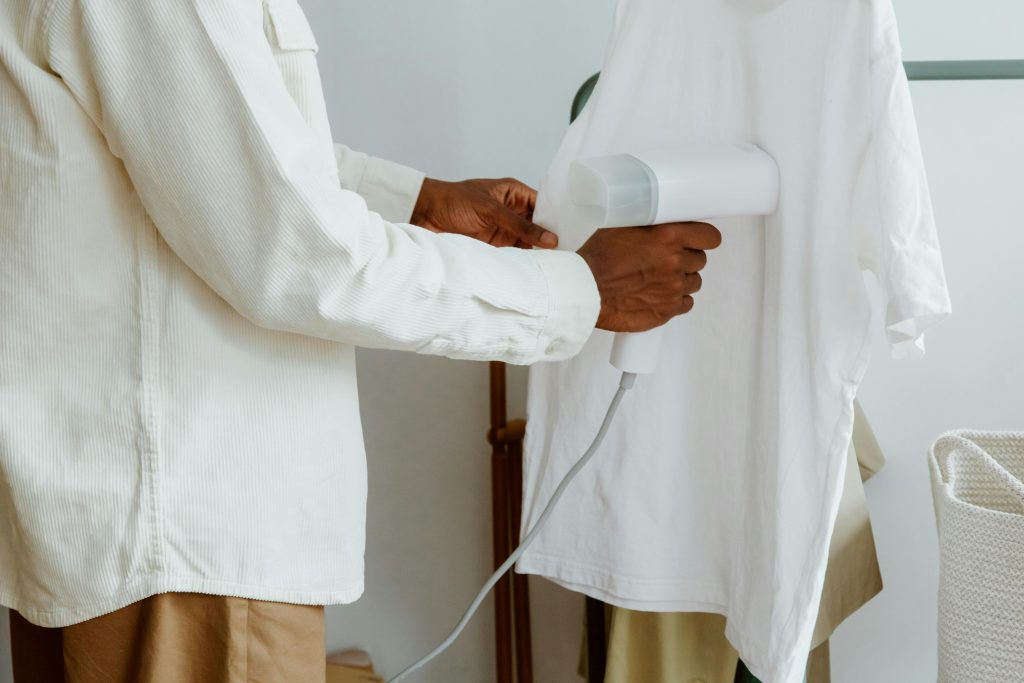
You don’t shake down every crease.
The shake-and-smooth shirt trick makes everyday laundry look better, but some items still need a steamer, an iron or wrinkle-release routine. Synthetic blends, dress shirts, linen and shirts that are left sitting after the cycle may hold creases more stubbornly. It doesn’t mean that the method has failed. So the shake helped to reduce the problem before the final touch-up. This can save time in many U.S. homes, having to deal with a few shirts instead of the whole load. Consult the care label, apply gentle heat if necessary and consider the shake the first step in a cleaner laundry routine.