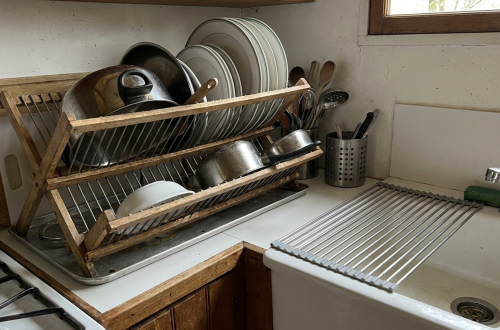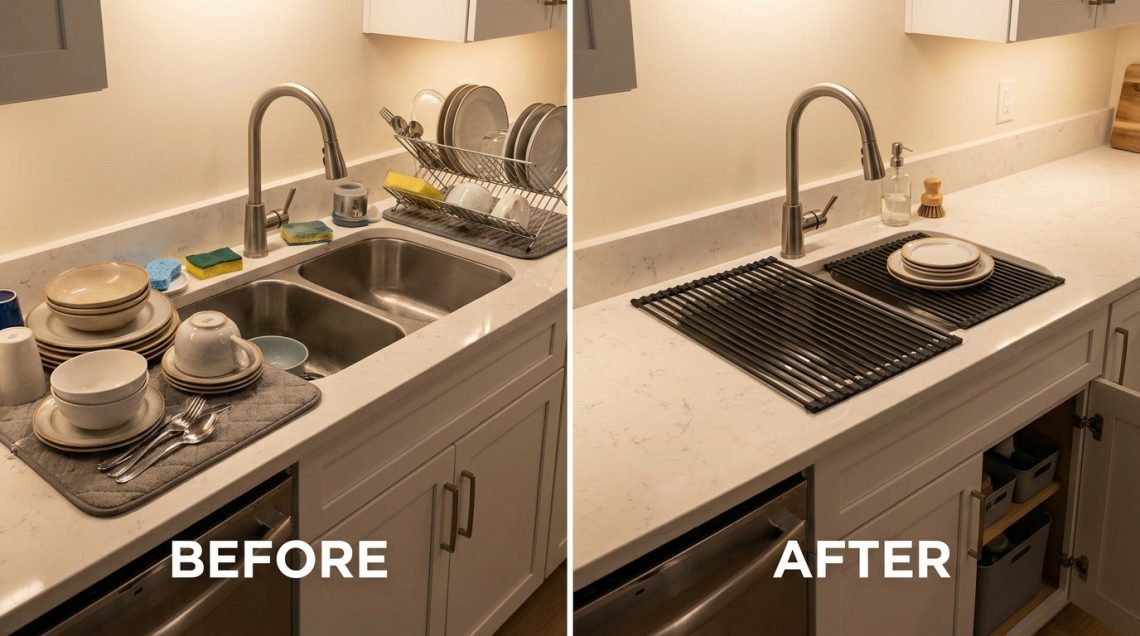
In many U.S. kitchens, the dish rack gradually extends into the counter: cups drying overnight, utensils spreading out, and a mat that never quite finds its way to a drawer. These sink-drying swaps are about small, realistic changes that can make a typical American kitchen feel more open after dinner without making cleanup a bigger hassle. From roll-up racks to quick-load mats, utensil cups, under-sink storage and one-stack rules, each idea is built around a familiar household problem: wet dishes need to go somewhere, but the counter doesn’t have to become permanent storage.
The Roll-Up Rack That Clears Counter Space After Dishes Dry
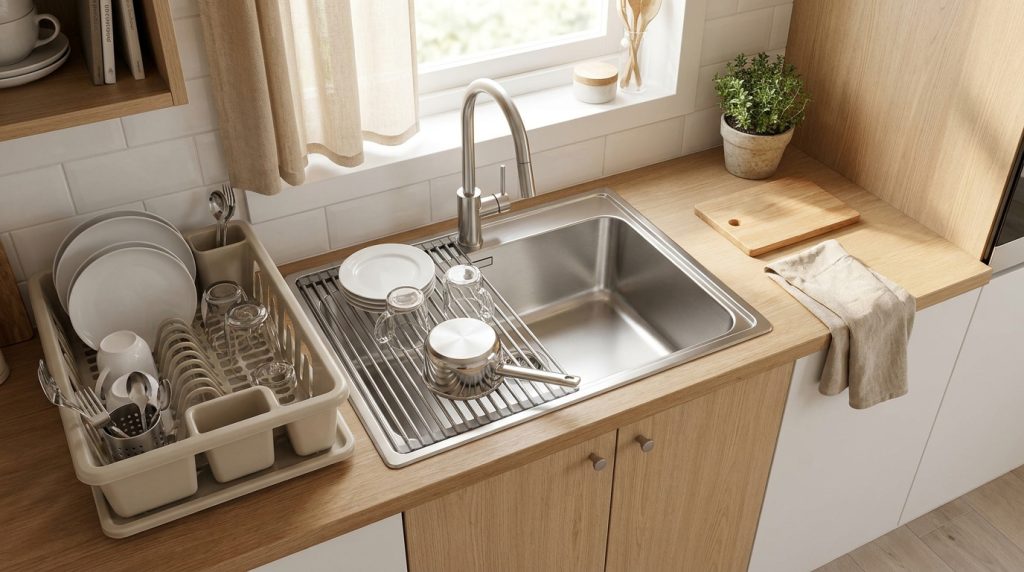
Your dish rack may not need to live on the counter.
In a lot of U.S. apartments and smaller kitchens, a full-size dish rack can silently take over the only useful prep space. A roll-up rack is an easy way to change the drying zone, sliding cups, small pans and cutting boards over the sink instead of across the counter. Once the items are dry, the rack usually rolls up and can be stored in a drawer or under the sink. It’s not great for every load, but for weeknight dishes, lunch containers or a few coffee mugs, it can free up the counter space again without asking anyone to stop hand-washing.”
Why Bulky Dish Racks Can Make Small Kitchens Feel Crowded
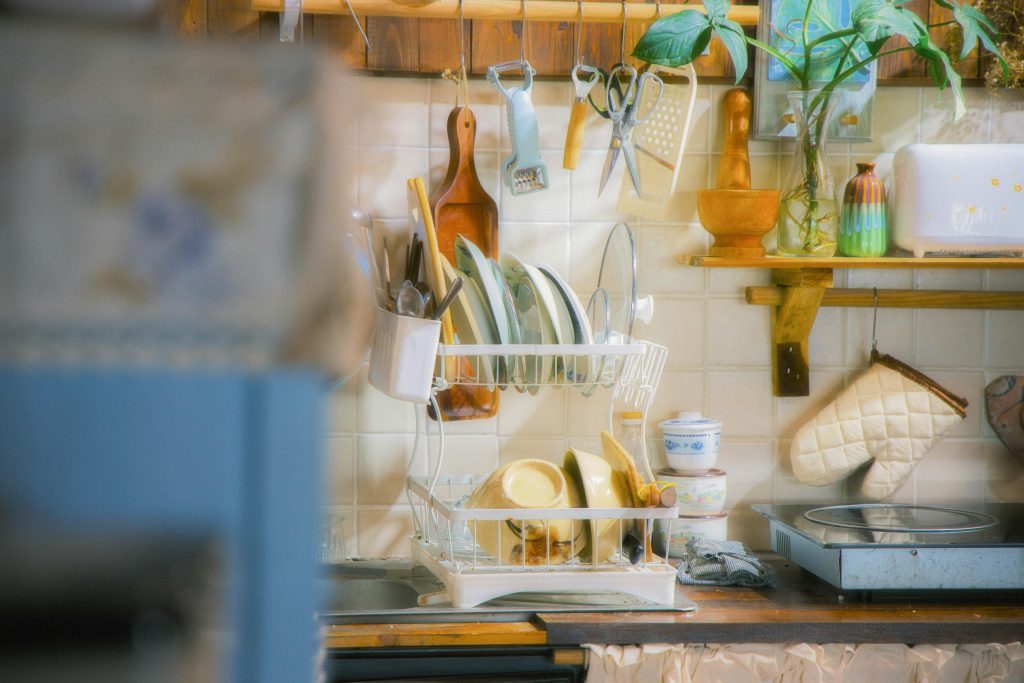
Even clean dishes can make the counter feel crowded.
A dish rack is handy, but in a typical American kitchen, especially when counter space is limited, its footprint can make the sink area feel cluttered long after clean-up is finished. The rack might be for clean plates, but it also gets in the way of the coffee corner, the cutting board area or the place where groceries land after a store run. A collapsable rack, over-sink rack or small mat can maintain the drying function without making the counter a permanent landing pad. The simplest test is this: If the rack is empty, does it still stay out all day?
The Sink-Side Mat That Works for Quick Loads
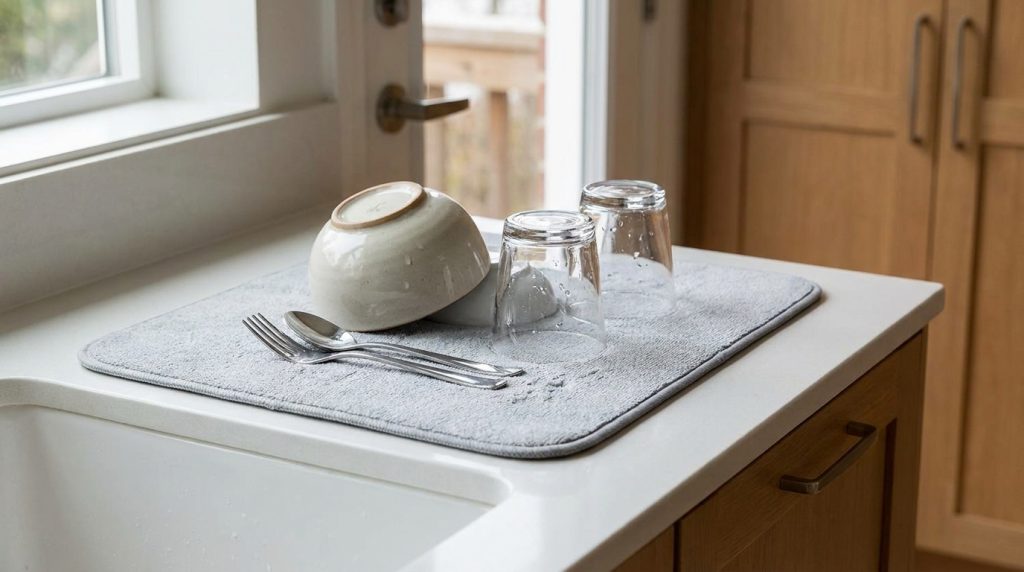
Not every load of dishes needs a full rack.
For small after-breakfast or lunch loads, a sink-side drying mat can be easier to manage than a full rack. It gives a designated place for a mug, lunch container lid, measuring cup or saucepan lid without scattering things across a towel. Silicone styles can just be rinsed and air-dried. Fabric mats usually need to be washed and fully dried before storing. The trick is to think of the mat as a temporary tool rather than a second counter. When the quick load is dry, Fold it, and hang it or put it away.
Where Wet Cups Can Dry Without Spreading Across the Counter
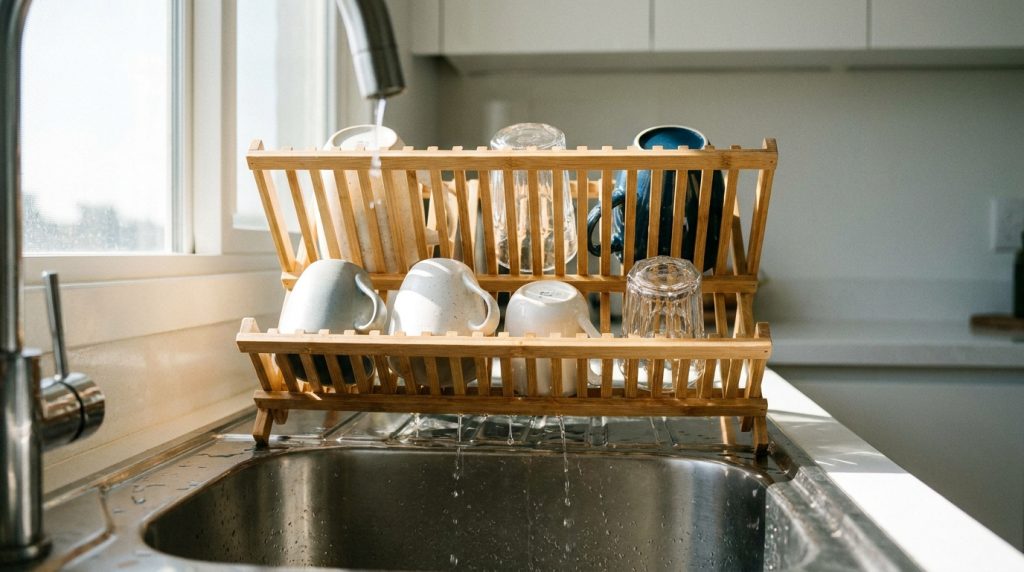
Cups can become a silent counter-spreading problem.
Wet cups, travel mugs and plastic containers often sit around because water collects in rims and bottoms. In many U.S. homes, that means one little towel turns into half a counter of upside-down stuff. A rack over the sink, a ridged mat or a slanted drying area can help water move away from the cup, instead of sitting inside it. The payoff is not just a drier cup, it is a cleaner counter after the meal. This small change can help make the washbasin area feel less cramped for families with daily water bottles and school cups.
The Utensil Cup Trick That Keeps Forks and Spoons Contained
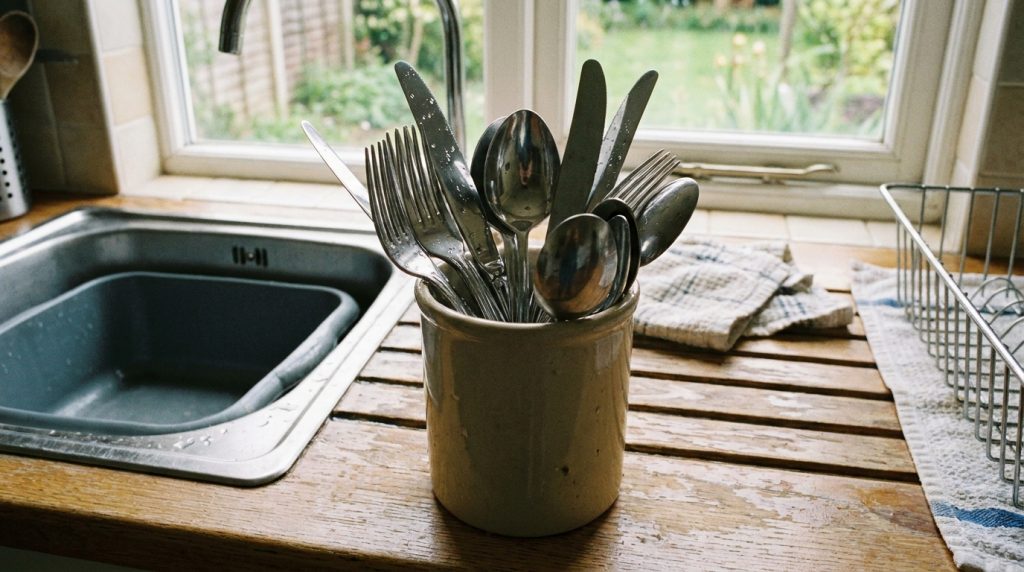
Forks and spoons can make the drying area look messy in a hurry.
Utensils are small, but spread quickly. Even if everything is washed, a handful of forks, toddler spoons, measuring spoons and bottle parts can make a clean counter look busy. A removable utensil cup, small caddy or divided container holds those pieces upright and contained while they dry. It’s also faster to put them away because the small things are already grouped. For the average American kitchen, filled with school lunches, coffee spoons and dinner prep tools, this can be one of the easiest counter-clearing swaps.
How to Stop the Drying Area From Becoming Permanent Storage
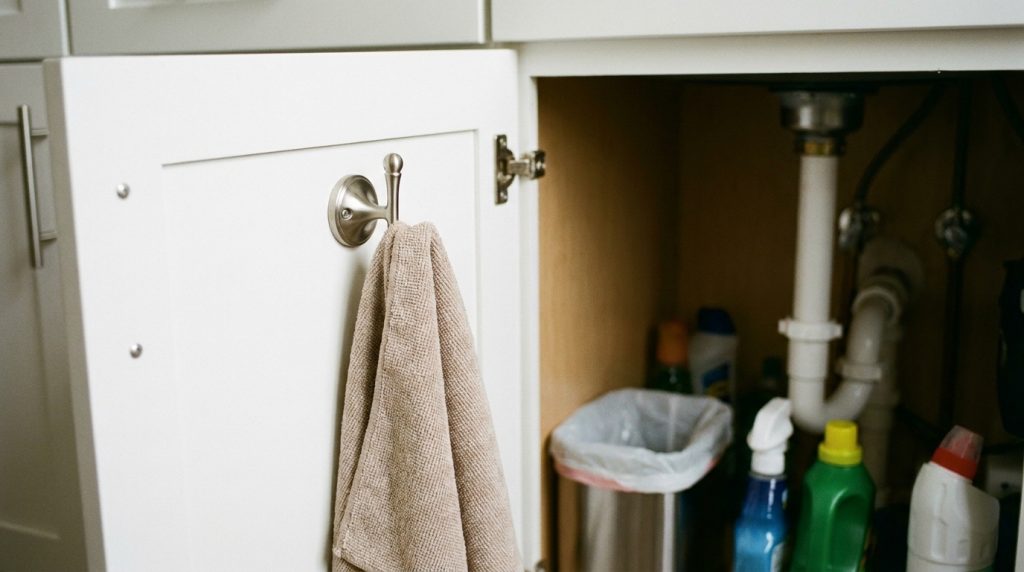
No one decides the drying mat should become counter storage, but it can.
A drying rack or mat often becomes a permanent fixture because there’s no good place to put it when the dishes are done. That’s why a hook on a cabinet door, a narrow slot in a drawer or an under-sink basket can improve the entire system. The goal is not to hide useful tools but to give them a reset point. The best habit in many U.S. kitchens is simple: dishes dry, dishes get put away, drying tool gets stored. That one loop stops the counter becoming a second cabinet, bit by bit.
The One-Stack Rule That Keeps Plates From Taking Over
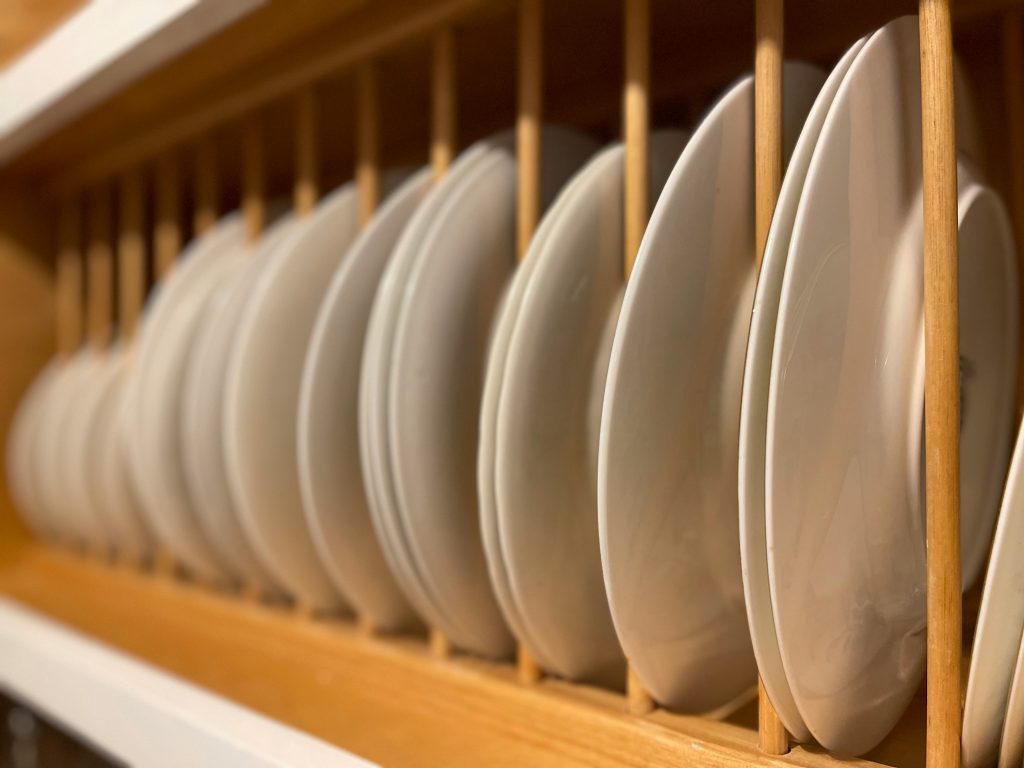
A plate pile can leave the entire washbasin area looking unfinished.
The one-stack rule is simple: When the stack of plates reaches its small limit, it’s time to dry or put away dishes before washing more. This is effective because drying space is often a visual cue. When the rack is allowed to hold every plate, bowl, lid and pan, it’s harder to tell when cleanup is actually done. In a bustling U.S. kitchen, after dinner, one controlled stack prevents plates from leaning into cups, lids and utensils. It can also make the next morning easier, as fewer dishes are waiting to be cleaned next to the washbasin.
The Under-Sink Storage Spot for Foldable Drying Tools
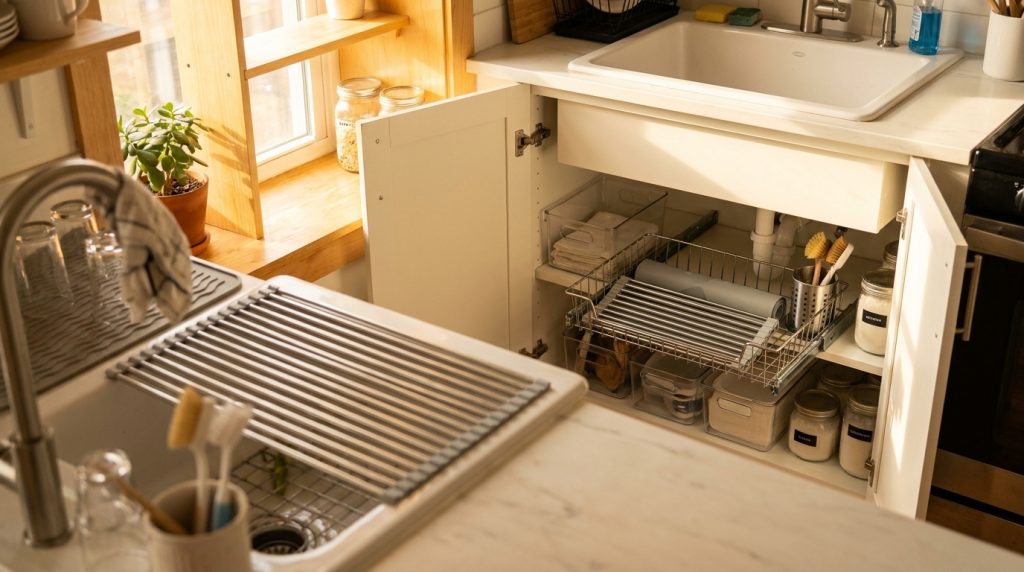
A foldable rack is space saving only when it is folded.
Foldable drying tools sound great, but if they don’t have a home, they can still create clutter. The roll-up rack, silicone mat, and small utensil cup nestle together in a vertical divider, slim pull-out bin, or under-sink basket. That way the setup gets out when dishes need it, and goes away when you need to clear the counter. In rental apartments, and older homes with few drawers, under-sink storage is often the most logical landing spot. Just keep the tool handy or it may remain out by habit.
The After-Dinner Sink Reset That Makes Mornings Easier
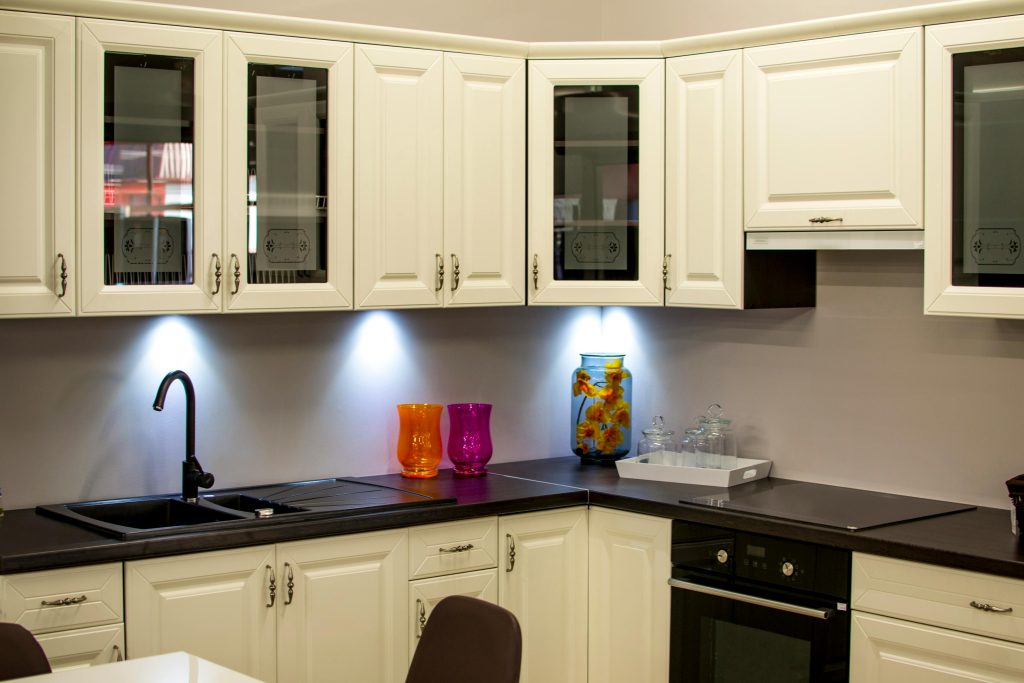
The counter is often crowded and the drying from yesterday never ends.
You don’t have to scrub out the washbasin after dinner. It can be as simple as putting away dry plates, shaking water off cups, hanging the mat and leaving only the items that really need more air time. This is important because the drying area is one of the few kitchen areas that can look unfinished even when the rest of the work is mostly finished. In many American homes mornings begin with coffee, lunch packing or school prep. A more open washbasin area allows those routines to happen without needing to move yesterday’s clean dishes first.
When a Real Dish Rack Still Makes Sense
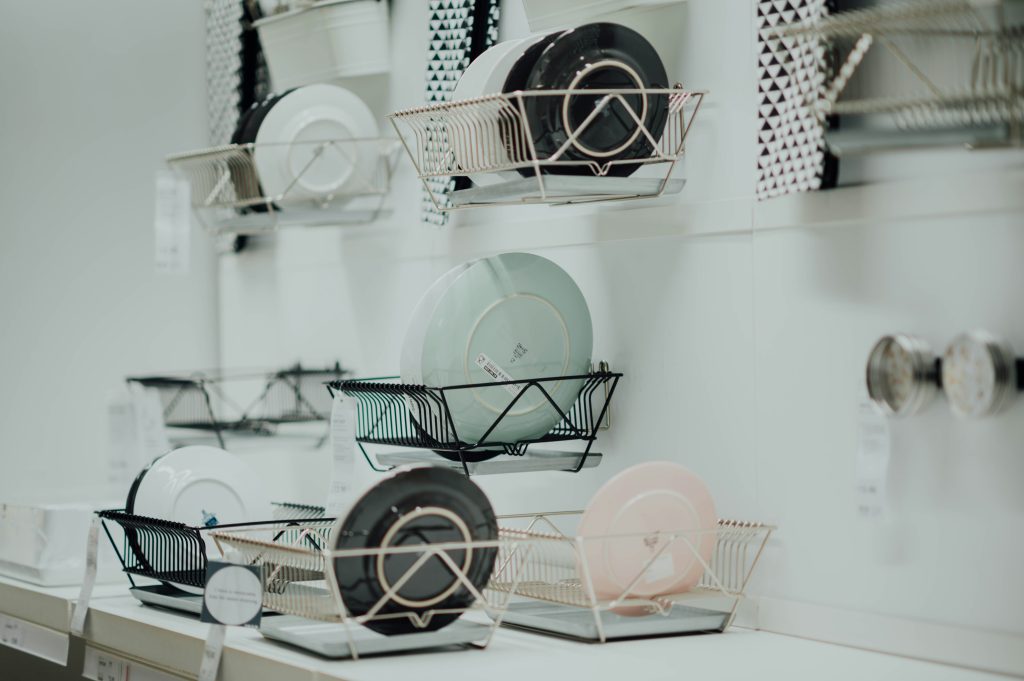
Not having a dish rack isn’t always the answer.
For those who cook often, hand-wash pans, skip the dishwasher or need airflow for larger loads, a real dish rack still makes sense. It’s about choosing one that fits the kitchen, rather than letting it dominate. Compact, foldable, in-sink, over-sink or well-draining racks can help keep water moving toward the sink and dishes corralled in one zone. The best test isn’t whether the rack looks clever in a shop. It’s whether your kitchen can recover after dishes dry. If the answer is yes, the rack is working.