In many US homes, chores seem to be harder when all the rooms are screaming for attention at the same time. A clean-home task map turns that mental pileup into a simple path: start with the room causing the most stress, set up a home for kitchen and laundry tasks, check bathrooms before you run out of supplies and end with a single space that makes tomorrow easier. These subtle visual cues can help homeowners, renters, parents and busy households to keep on top without turning the whole weekend into a cleaning reset.
Start With the Room That Creates the Most Stress.
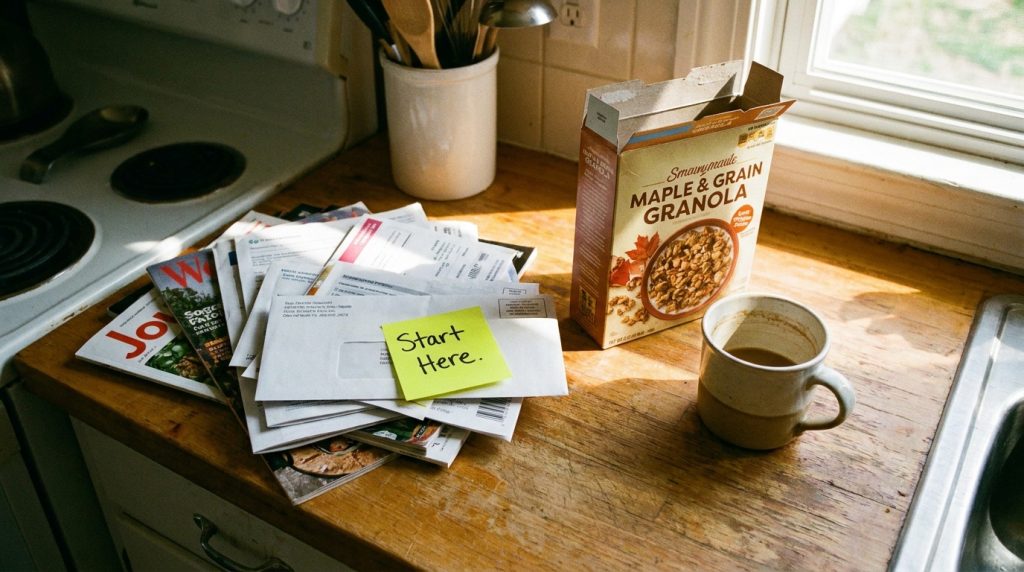
The first chore might not be the one you expect.
Rather than listing out every chore in the house, start with the room that changes your mood fastest. That might be the kitchen, entryway, laundry room or family room in many American homes. The idea is not to deep clean everything at once. It is choosing the room that makes the rest of the house feel stuck. Clear one visible surface . Throw away trash . Take dishes or laundry to the next stop . Write down only the next two tasks . That little map can make it feel like the job is contained and not endless.
Put Kitchen Tasks on One Simple Map.
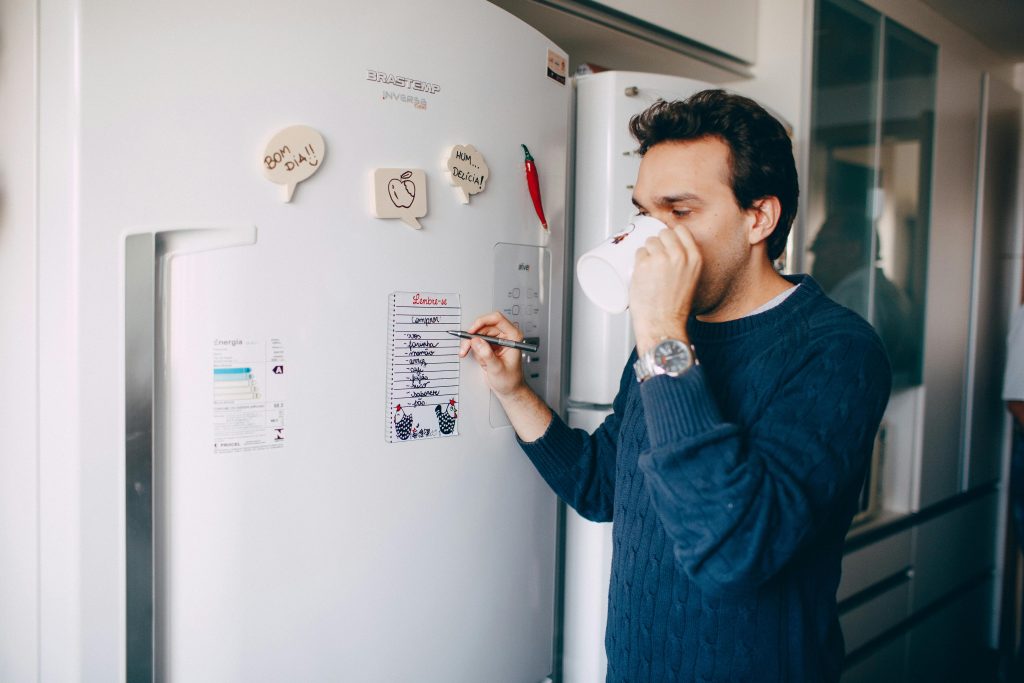
Even when the kitchen is almost under control, it can feel messy.
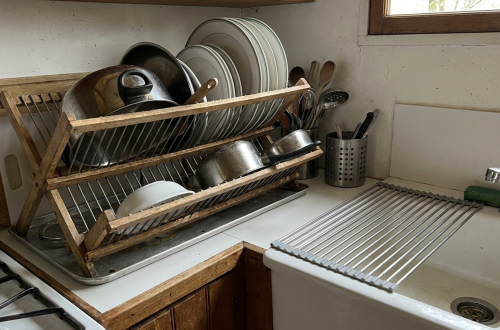
A kitchen map is most functional when it follows the way the room is used after breakfast, dinner and grocery runs. Try four easy zones: dishes, counters, trash and fridge. That keeps the emphasis on the places that cause the most friction every day. In a typical American kitchen, this can mean loading dishes before bed, wiping the prep area, checking the trash can and moving older leftovers to the front. It’s not a great plan for cleaning. It’s a “keep the room moving” plan that can make tomorrow’s first meal feel easier.
Make Laundry Someone’s Job Before It Becomes Everyone’s Problem.
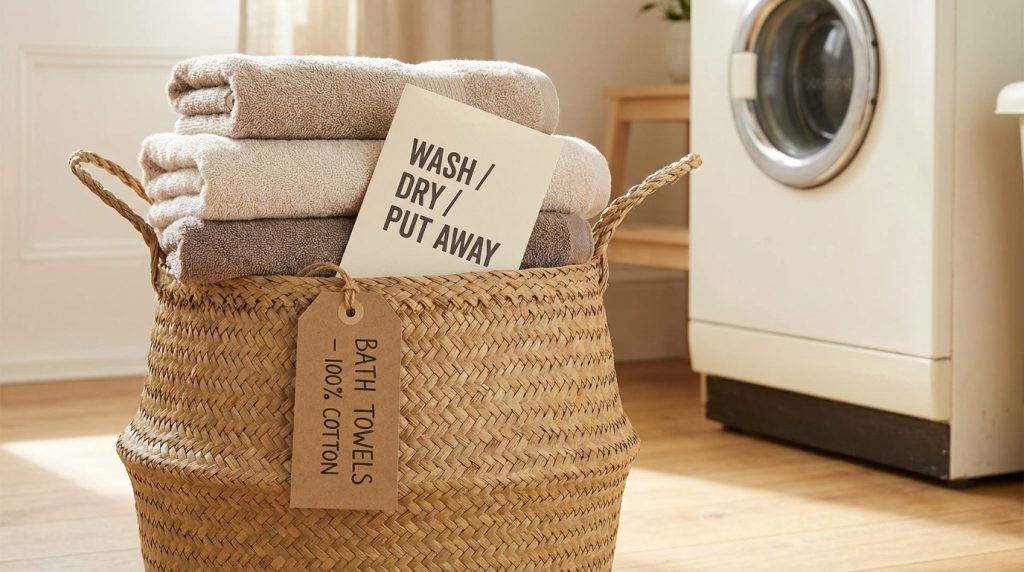
Laundry is not a chore. It is three.
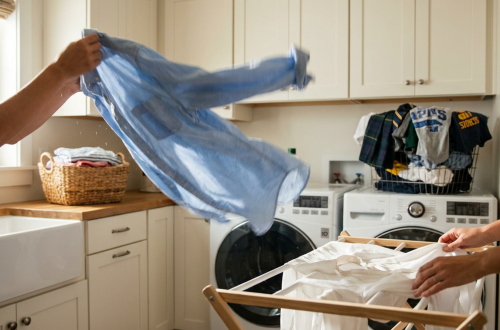
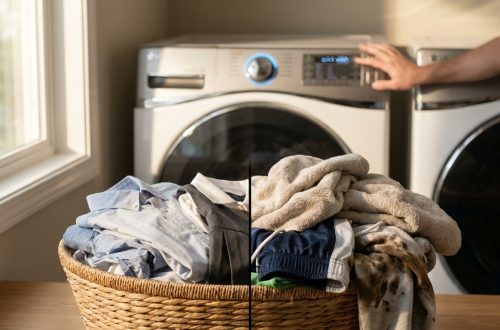
In too many American homes, laundry becomes overwhelming because washing, drying, folding, and putting away all blur together. The task map makes the job visible. Towels on Wednesday, kids clothes on Tuesday, bedding on the weekend, one person can have. Somebody else can be in charge of moving the basket from the dryer to the dresser. The small shift is giving laundry a finish line, not a start button. Even in a rental flat where you share machines, a written route can reduce pile-ups and help everyone see where the process usually gets stuck.
Use a Bathroom Restock Check Before Things Run Out.
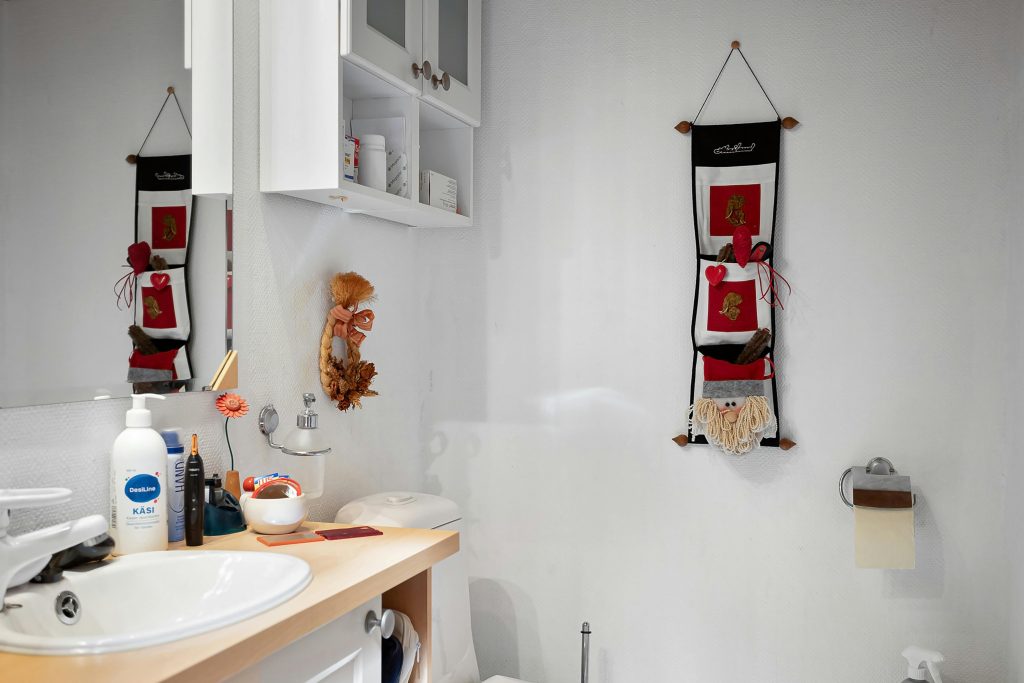
People forget the task in the bathroom may not be scrubbing.
One more thing to put on a bathroom map is a task that’s easy to forget: restocking. Check toilet paper. Hand soap. Tooth paste. Clean towels. Trash liners. Before a full scrub. In many American homes, when just one small supply is missing after a cleaning, the bathroom seems ‘not done’. Check, refill, wipe counter, replace towel, empty small trash can if needed. Keep the check soft and simple. This is especially good for shared bathrooms, kids bathrooms, guest baths and rental apartments with limited storage.
Create a Trash and Recycling Route Through the House.
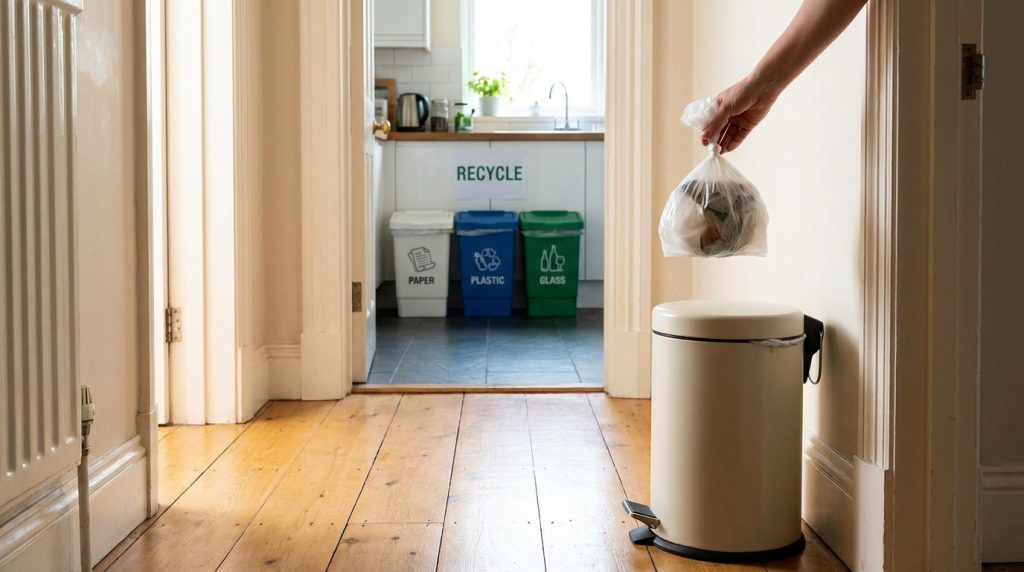
Smaller trash cans are often the easiest ones to miss.
A trash and recycling route ensures that the job is not a hit-and-miss affair. Begin in the bathroom, continue to bedrooms or the home office, end at the laundry room and conclude at the kitchen trash and recycling area. In many U.S. homes, small cans fill slowly enough to be forgotten, fast enough to make a room less fresh. The route also saves families from the “who was supposed to take it out?” quandary. Keep liners in stock, plan the route around pickup night, and make the last stop the outside can or garage bin.
Give Pet Areas Their Own Quick Reset Zone.
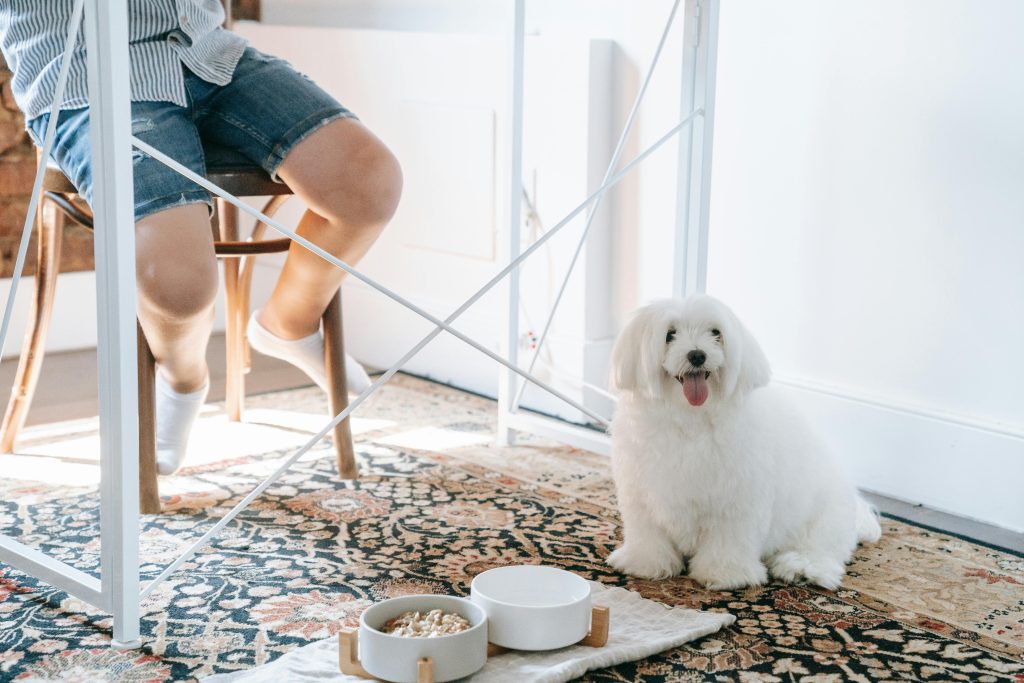
Pet chores get easier when the tools stop migrating.
Pet areas create chores to do over and over – food bowls, water spills, hair, litter, leashes, toys, and paw prints. A clean-home map makes a mini station in that zone. Have a little broom, towel, lint roller, bags, scoop or mat cleaner handy depending on the pet and surface. In most American homes, the pet area is in the kitchen, mudroom, laundry room or hallway of an apartment, so a two-minute reset can make the room it’s in seem fresher. It’s not about perfection. That’s keeping the tools close enough to get the small job done.
Turn Entryway Clutter Into a Two-Minute Task.

The entryway can kill a clean-home vibe pretty quick.
What gets left in entryways? The same old stuff. Shoes, mail, keys, backpacks, jackets, dog leashes, returns and sports gear. That’s perfect for a tiny task map. Put a basket or hook row or tray or shoe spot where the drop zone already takes place. Then spend two minutes resetting: shoes to the edge, mail to one tray, keys to one spot, bags to hooks. Many U.S. homes and rental apartments have small entryways, which means the fix should be simple and visible. The win is not a magazine ideal front room. It is a route that operates on a weekday.
Use a Weekly Board So Chores Stop Living in Your Head.

Chores weigh more when they are invisible.
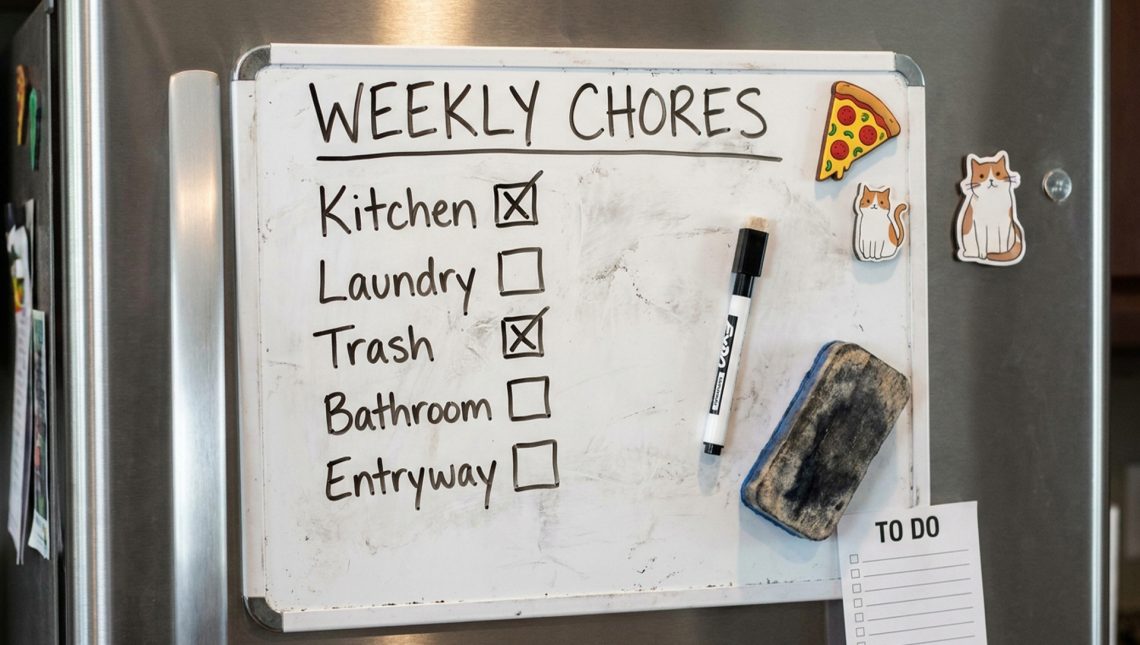
A weekly board transforms the clean-home map into something everyone can see. Use room names instead of long task lists: kitchen, laundry, bathroom, trash route, entryway, pet zone, tomorrow room. Then add 1 or 2 jobs to each of them. This helps take the mental load off of many American households, because the plan is not in one person’s head. It can also help kids, roomies or partners to see the next helpful action without asking. Keep it real: daily basics, weekly zones, and a little room for “not this week.”
Mark the Tasks That Only Need to Be Good Enough..
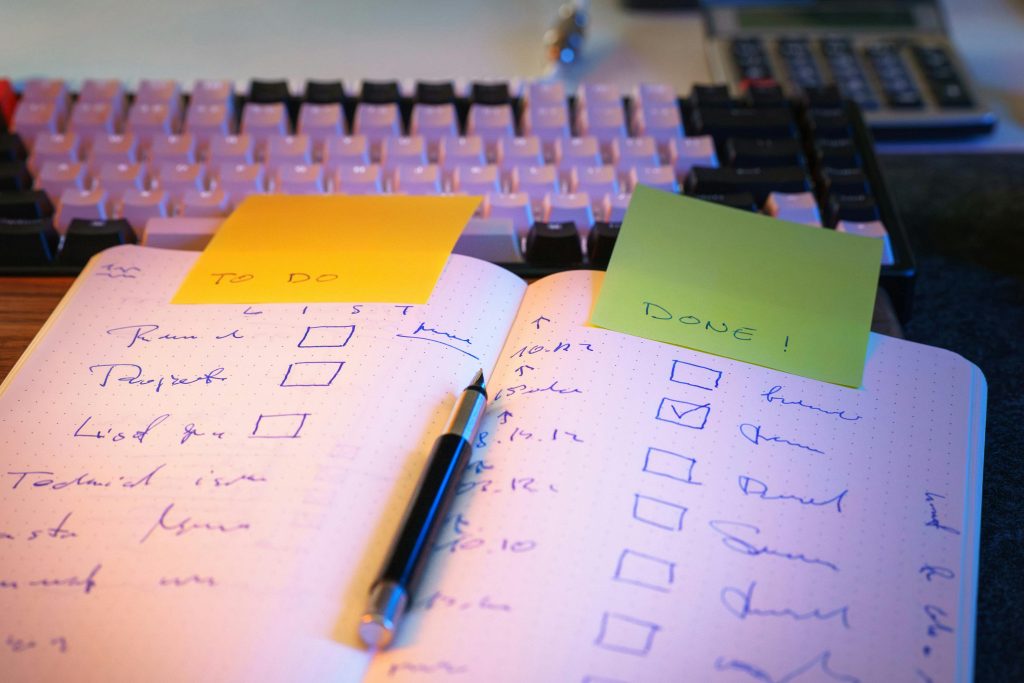
Some chores don’t require full-on cleaning energy.
A task map should indicate which jobs have to be “good enough.” Wipe down the counter, clear the sink, empty one trash can, fold towels that might be enough to reset the room for the next day. In a lot of American homes, chores can be like an insurmountable mountain of work when everything has to be done perfectly. Attempt to label jobs as quick fix, weekly tidy, or later project. That allows the household to keep moving without ignoring the home. It also helps that you don’t use up all your energy on one room while another room quietly produces tomorrow’s stress.
End With the One Room That Makes Tomorrow Feel Easier.
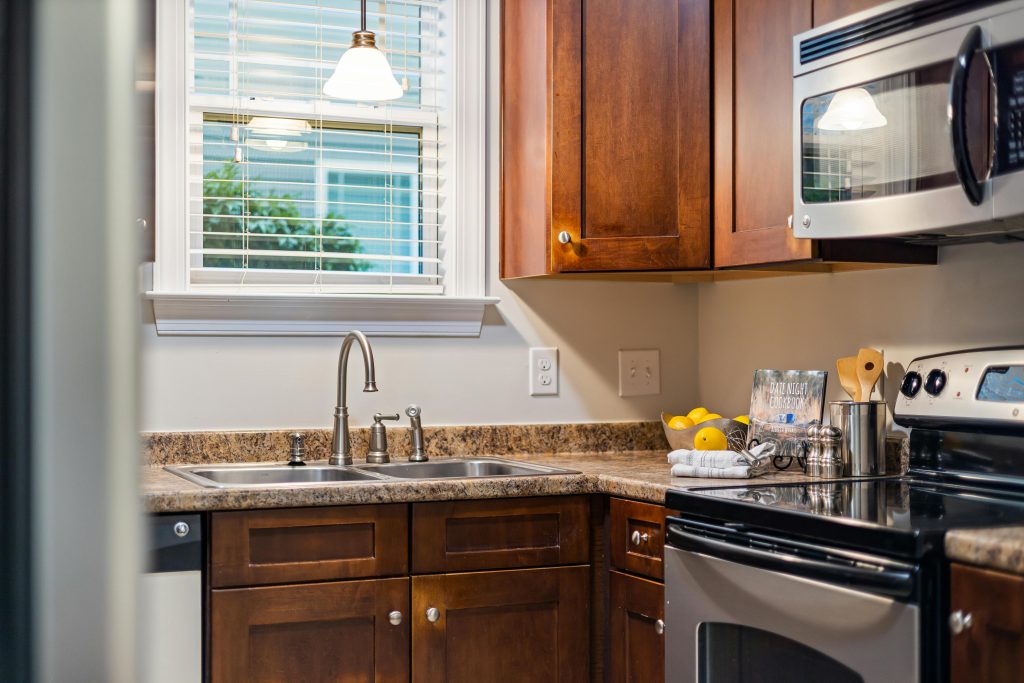
The last chore tomorrow morning may be a different one.
Fill in the map with a room that makes tomorrow easier. For many American homes it could be the kitchen sink, coffee area, laundry basket, entryway or kids’ backpack spot. “We don’t want to be cleaning until late in the night.” It’s to find one small reset that takes away the morning friction. Load/run dishwasher, clean out sink, move laundry to dryer, put keys by door, prep trash route for trash day. Finishing with one useful room gives the routine a definite end point, which can help chores feel less like an endless cycle.