That first smell when you walk back into a house can feel stronger than anything you noticed before leaving. In many U.S. homes, the cause is not one dramatic problem but a mix of closed-up air, fabrics holding odors, shoes near the entry, kitchen trash, damp bathrooms, pet blankets, HVAC dust, sink drains, and basement air moving through hallways. This gallery breaks down the small clues people often miss, why they hit harder at the front door, and what each smell may be pointing to before it becomes a bigger cleaning, moisture, or repair issue.
The Front-Door Smell That Disappears After a Few Minutes
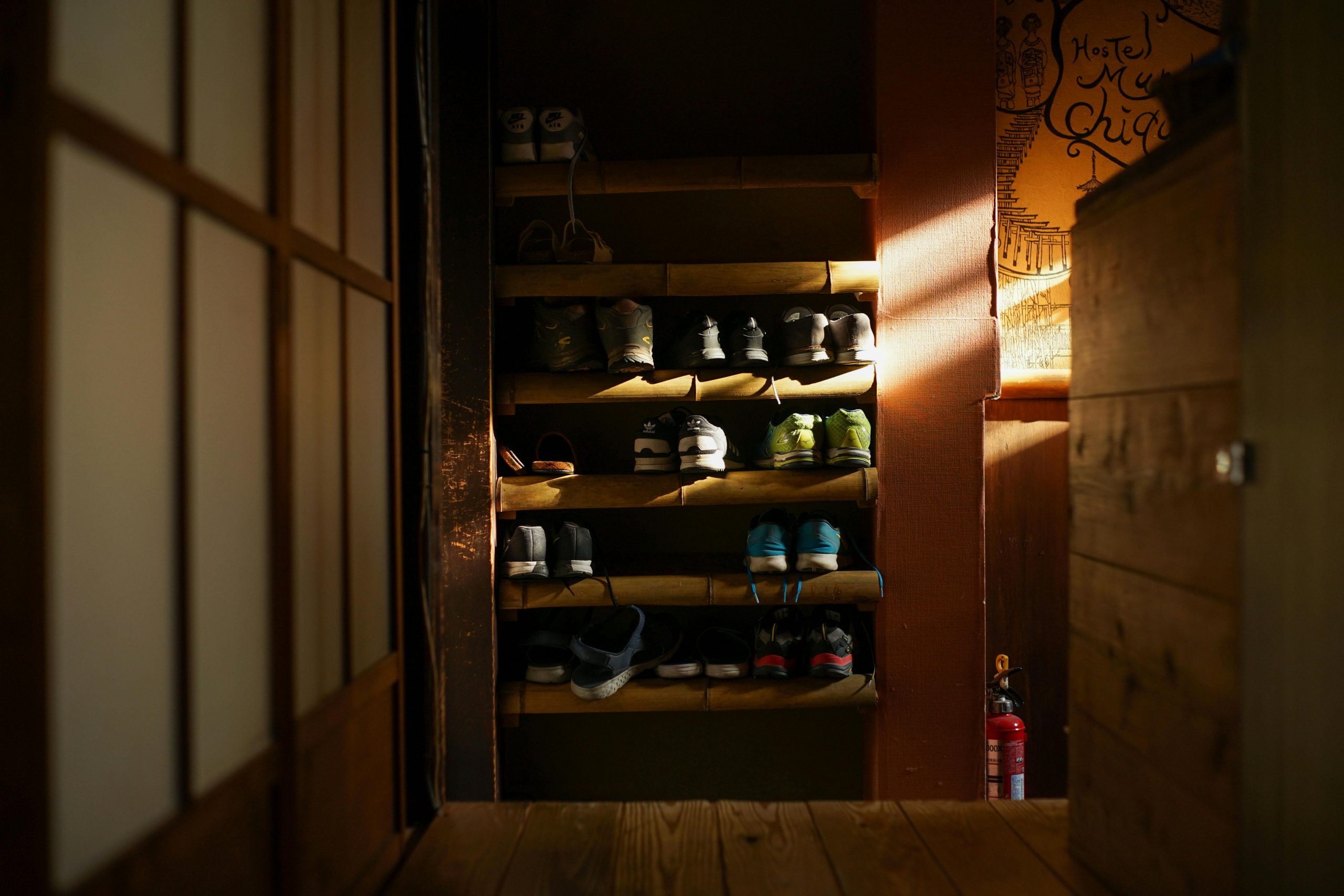
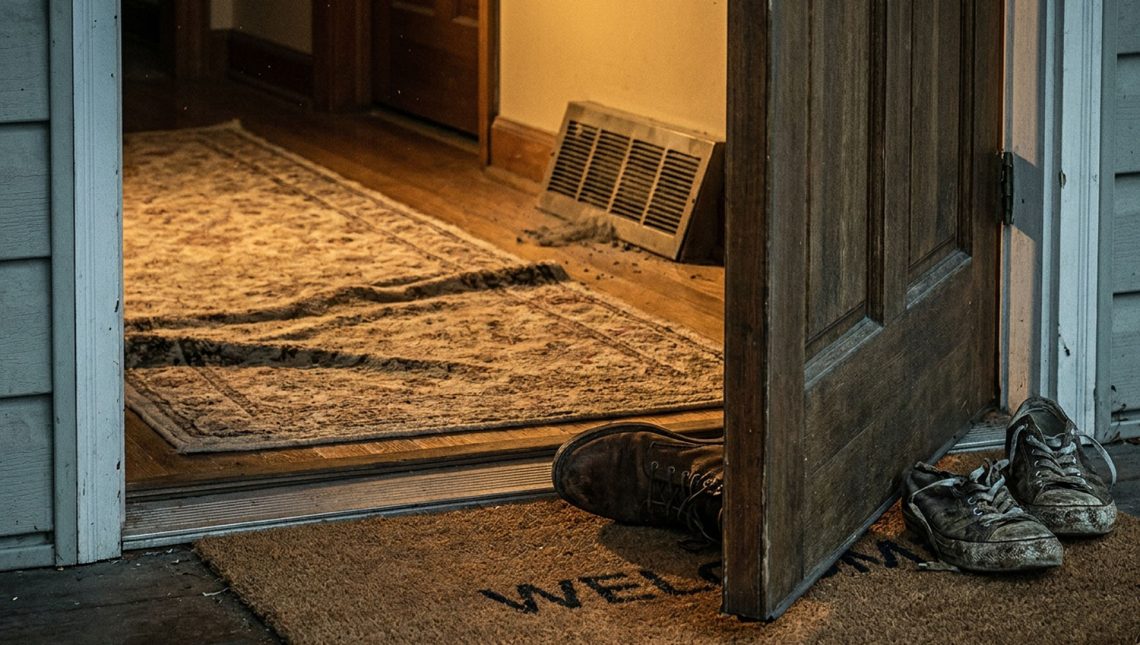
That first-door smell can tell on your house fast. That first hit of odor can feel strongest because you are re-entering with a fresh nose. After a few minutes, many people stop noticing it, which makes the source easier to ignore. In a typical American entryway, the smell may be coming from stale air, shoes, rugs, pet fabrics, closed rooms, drains, or HVAC movement rather than one obvious mess. The key is to treat the front door like a “smell test,” then check the closest odor-holding surfaces before covering it with sprays.
Closed-Up Living Rooms That Feel Stale Overnight
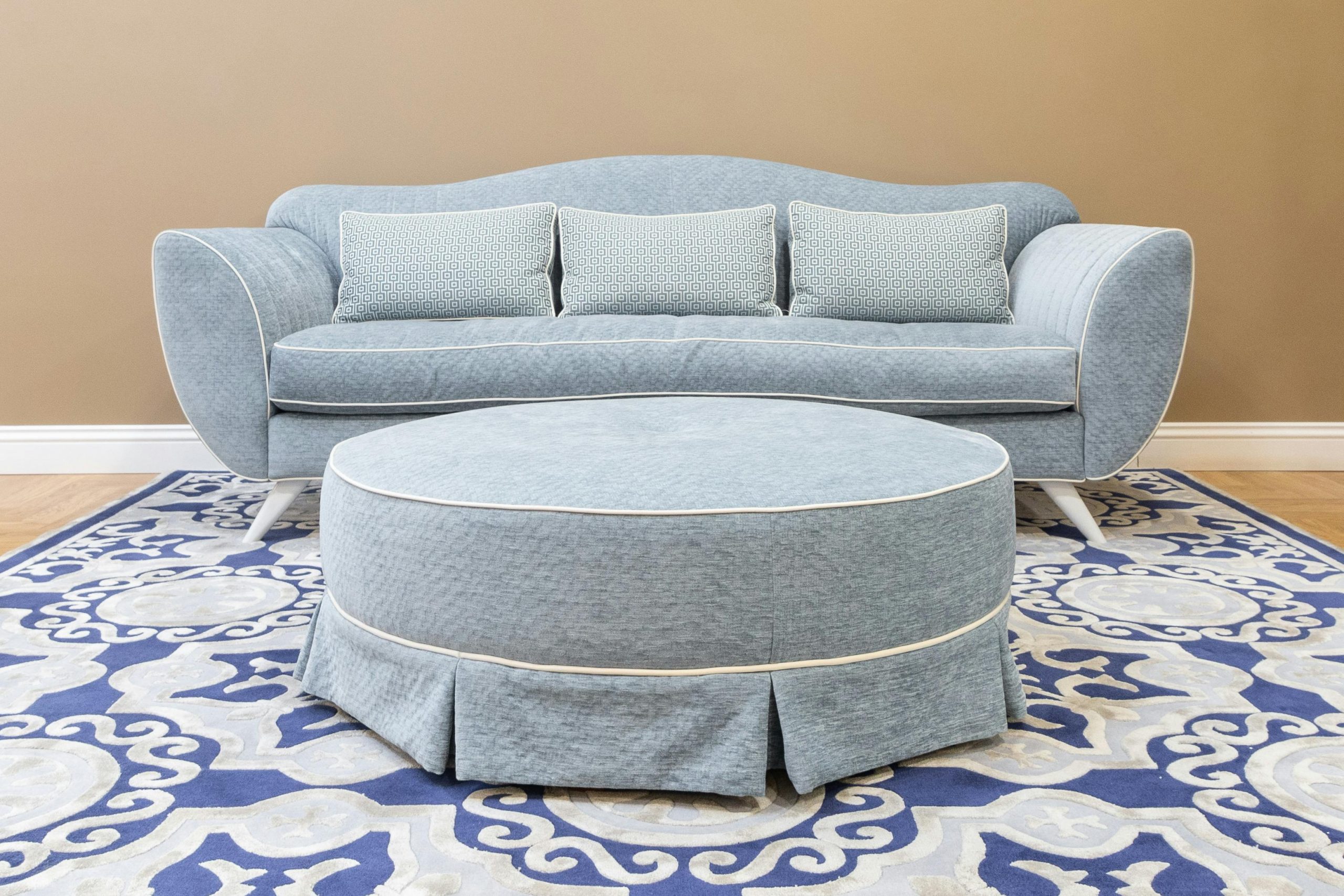
Your clean living room can still smell “closed.” Living rooms often collect odor quietly because fabric holds what hard surfaces do not. Sofas, pillows, curtains, rugs, throws, and pet beds can trap everyday smells, then release them when the room sits closed overnight or during travel. In many U.S. homes, the room may look clean while still feeling stale at first entry. Opening air flow helps, but the bigger payoff is washing removable fabrics, vacuuming upholstery, and checking whether one rug or blanket is doing most of the odor work.
Shoe-Area Odor Near the Entry
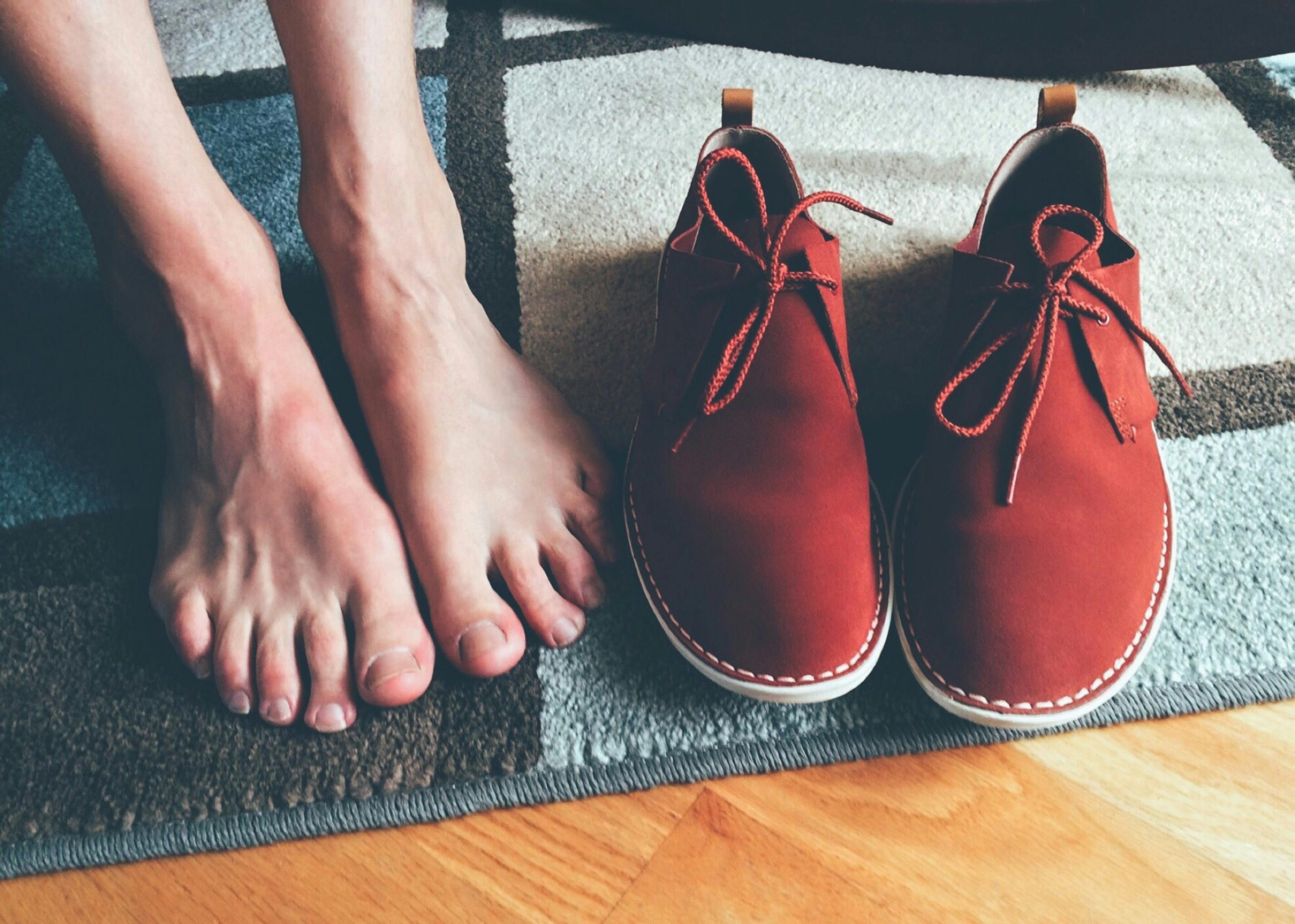
The entryway may be blaming the whole house. Shoes near the front door are one of the easiest odor sources to miss because they feel normal there. But in rental apartments, mudrooms, and suburban entries, damp sneakers, gym shoes, work boots, and floor mats can create the first smell anyone meets. The fix is not just air freshener. Rotate shoes, dry them before storage, clean the mat, avoid sealed damp piles, and keep the shoe zone slightly separated from the main entry path so the first impression is not “old feet.”
Kitchen Trash Smell Hiding in Cabinets
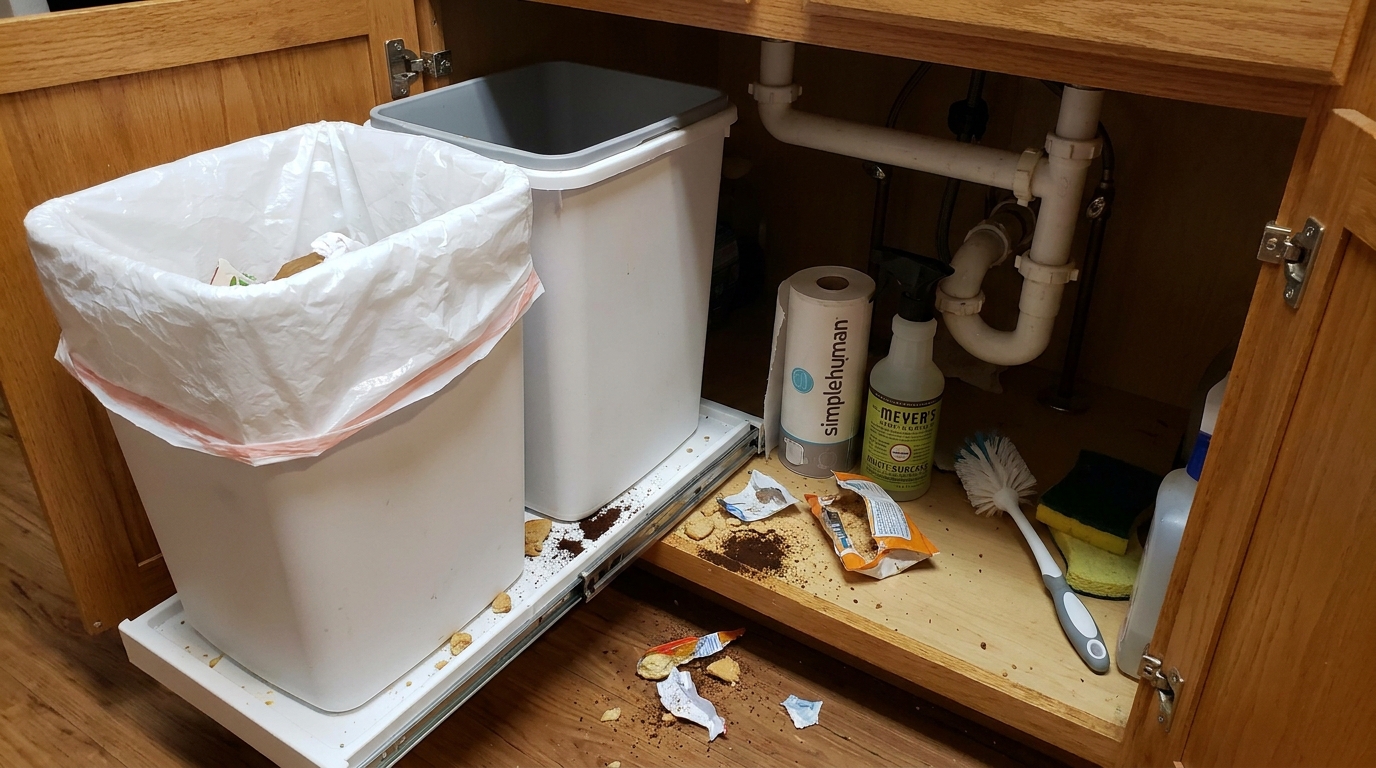
The trash smell may not be in the trash bag. Kitchen trash can smell worse after the house sits because cabinet walls, liners, drips, and the bin itself may hold odor even after the bag is removed. In many American kitchens, under-sink trash areas also sit near pipes, cleaning products, paper towels, and food splatter, making one small cabinet feel stale fast. Wipe the bin, cabinet floor, and lid area, check for hidden leaks, and avoid letting food-heavy trash sit overnight before travel or hot weather.
Bathroom Moisture Smell After the House Sits Closed
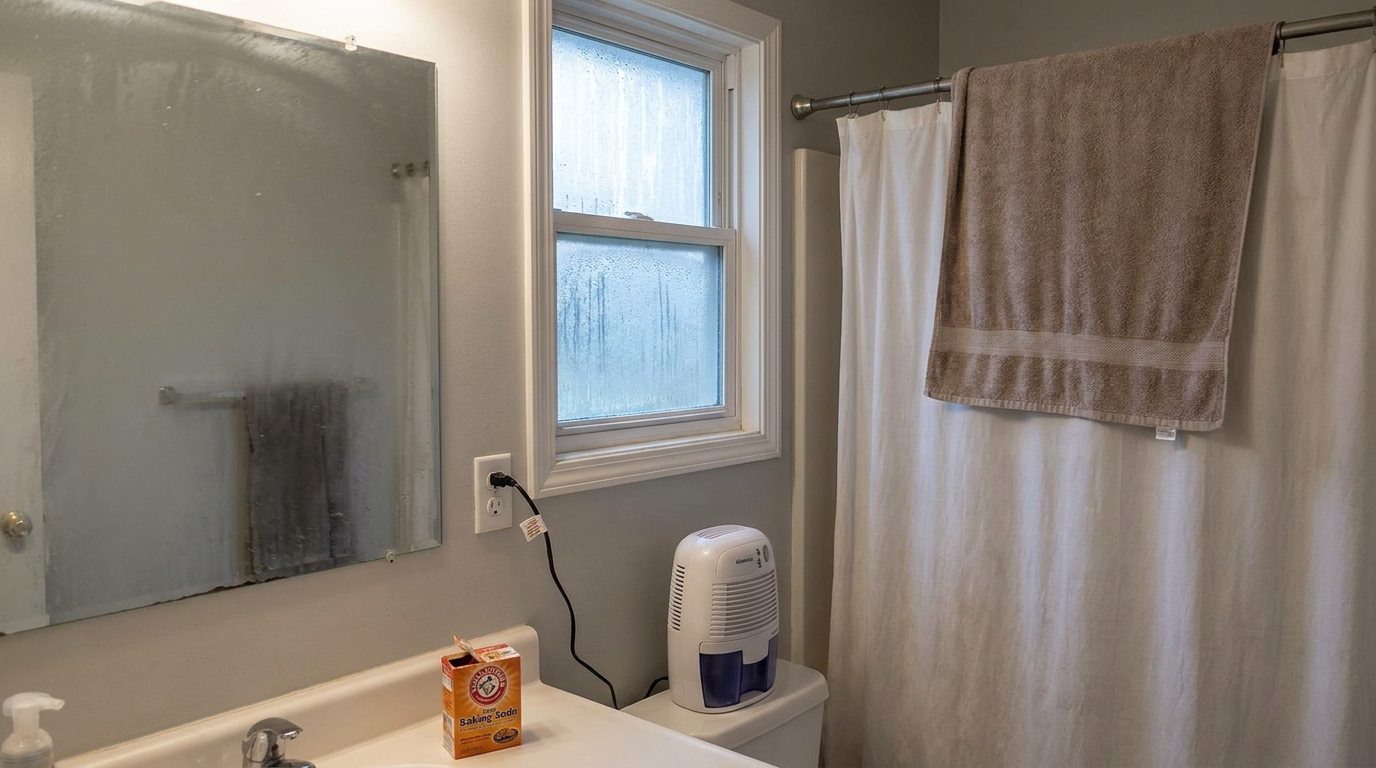
That bathroom smell may be moisture talking. Bathrooms often smell worse after sitting closed because moisture has nowhere useful to go. A damp towel, closed shower curtain, slow-drying bath mat, or poorly ventilated corner may create a musty hit that spreads into the hallway. In U.S. homes with interior bathrooms or weak fans, the clue may appear only when you return from outside. Run the fan, dry towels fully, open the curtain, wash mats often, and treat persistent musty smells as a moisture clue, not just a fragrance problem.
Towels and Linens Holding Stale Air
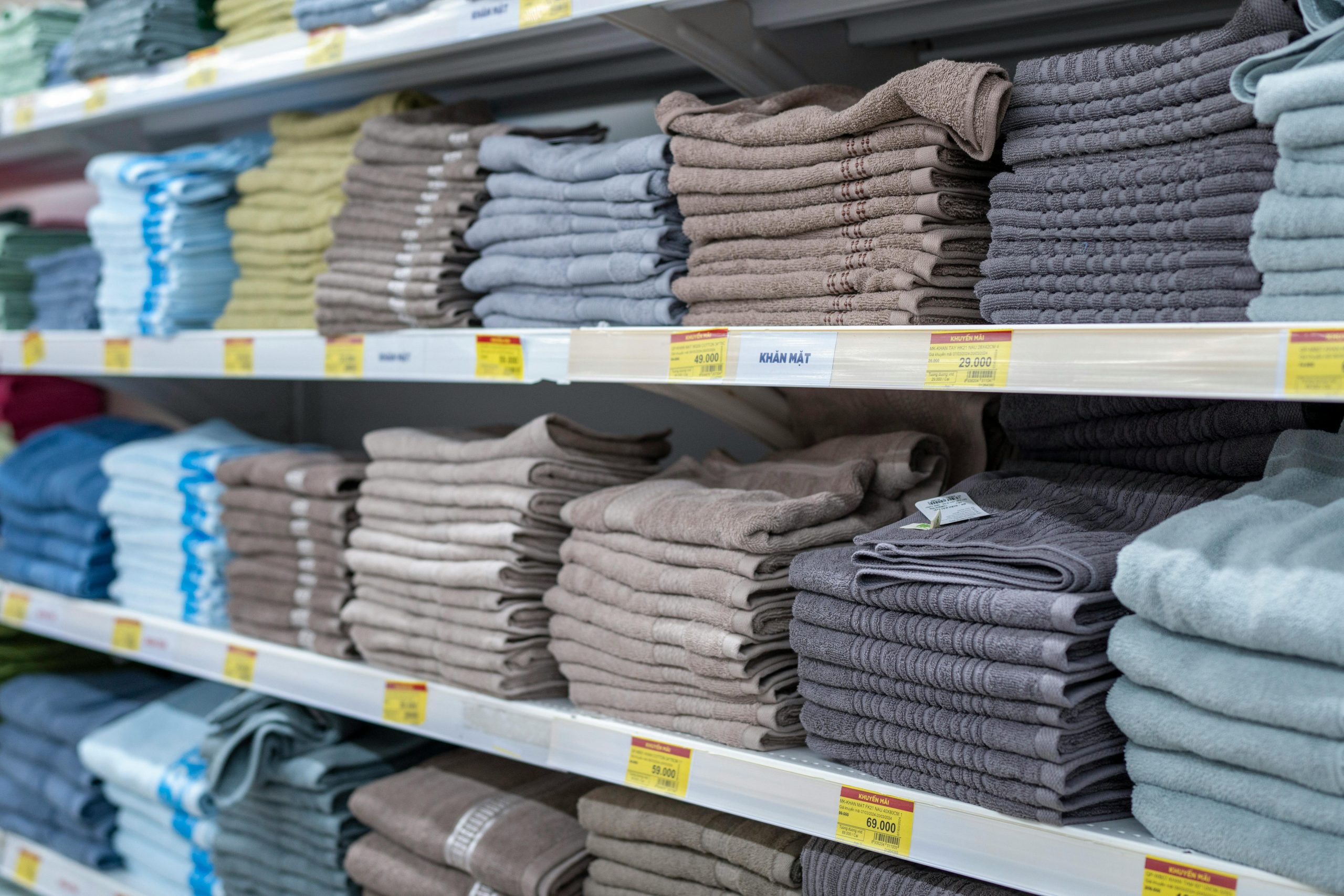
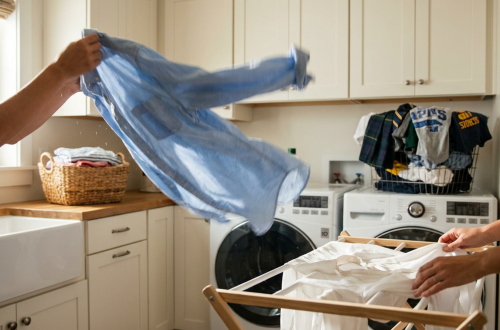
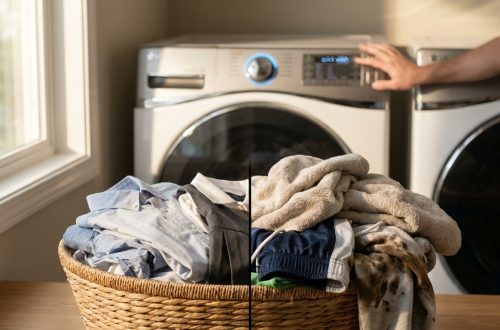
Your “clean” towels may be storing the smell. Towels, sheets, throws, and spare blankets can hold stale air longer than people expect. In many U.S. laundry rooms and hallway closets, linens are stacked tightly before they are fully dry or stored in a closed space with littWhy Some Homes Smell Worse Right When You Walk Back In That first smell when you return to a house can seem more potent than anything you noticed when you left. The reason for that in many U.S. homes may not be one dramatic issue but a combination of closed-up air, fabrics that hold odors, shoes close to the entry, trash in the kitchen, damp bathrooms, pet blankets, HVAC dust, sink drains, and basement air circulating through hallways. This gallery takes you from the small clues people often miss, why they hit harder at the front door and what each smell may be pointing to before it turns into a bigger cleaning, moisture or repair issue.
Pet Fabrics That Smell Stronger After Being Away
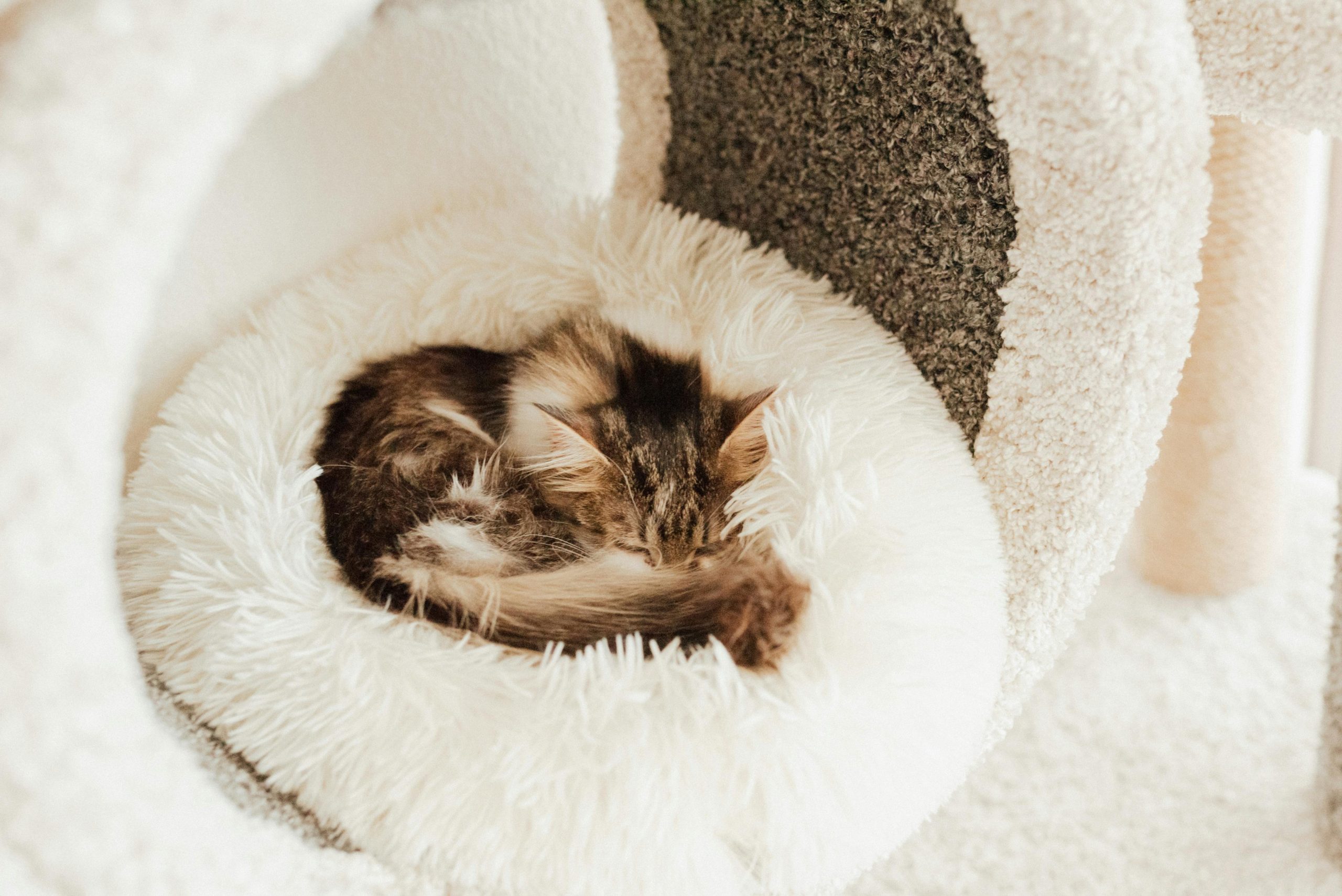
Pet smell can hide in the softest place. If you have pet beds, couch throws, washable rugs and favorite sleeping corners, the house can smell stronger when you walk back in because the odor sticks in fabric until fresh air movement changes. Many American homes have people that clean the floors. Forget the pet blanket that picks up daily scent. Wash removable covers, vacuum upholstery, use pet-safe fabric routines and see if one bed near the entry or sofa is making the first impression for the whole room.
HVAC Vents Carrying an “Old House” Feel
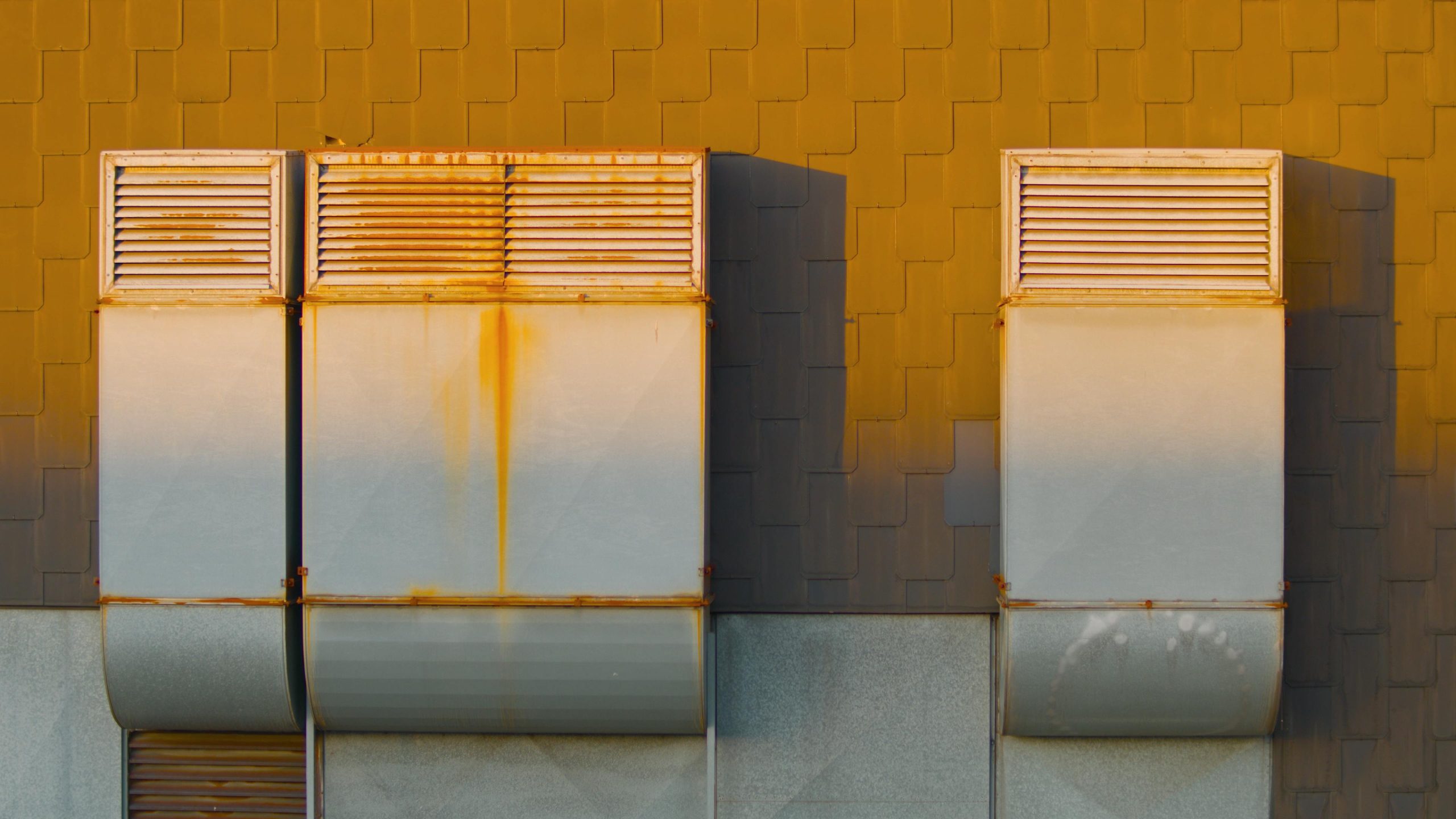
That “old house” smell may be riding the air currents. HVAC Vents HVAC vents can allow a stale smell to waft around the house when the HVAC system kicks on after the rooms have been closed. It may be dust, dirty filters, moisture nearby, return-air paths or fabric odors being circulated – which can cause the smell. In many U.S. homes, the practical first step isn’t dramatic duct claims, it’s checking the filter, cleaning vent covers, looking for moisture near the system and noticing if the smell starts up when the air kicks on.
Sink Drains That Only Seem Noticeable Later
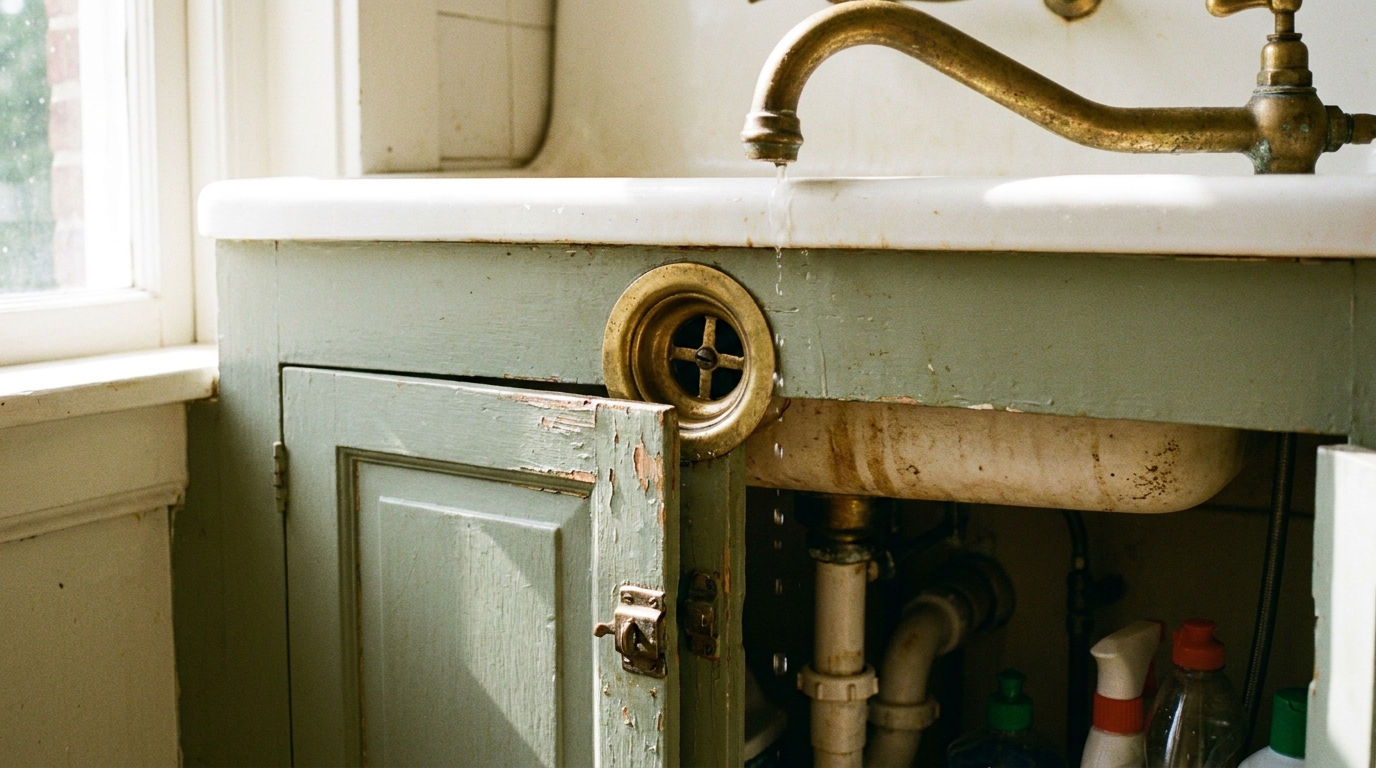
The smell could be coming from one solitary drain. Water flow, food residue or a dry trap problem may be involved. Sink drains, disposals and rarely used drains can smell more noticeable after the house sits. In an average American kitchen or guest bath, the smell may not be noticeable as you use the sink every day, then surprise you after a weekend away. Safely clean the disposal, avoid grease and problem scraps, run water in little-used drains, and call a plumber if sewer-like odors, gurgling, or repeated drain smells continue.
Basement or Hallway Air That Hits First-Time Entrants Hardest
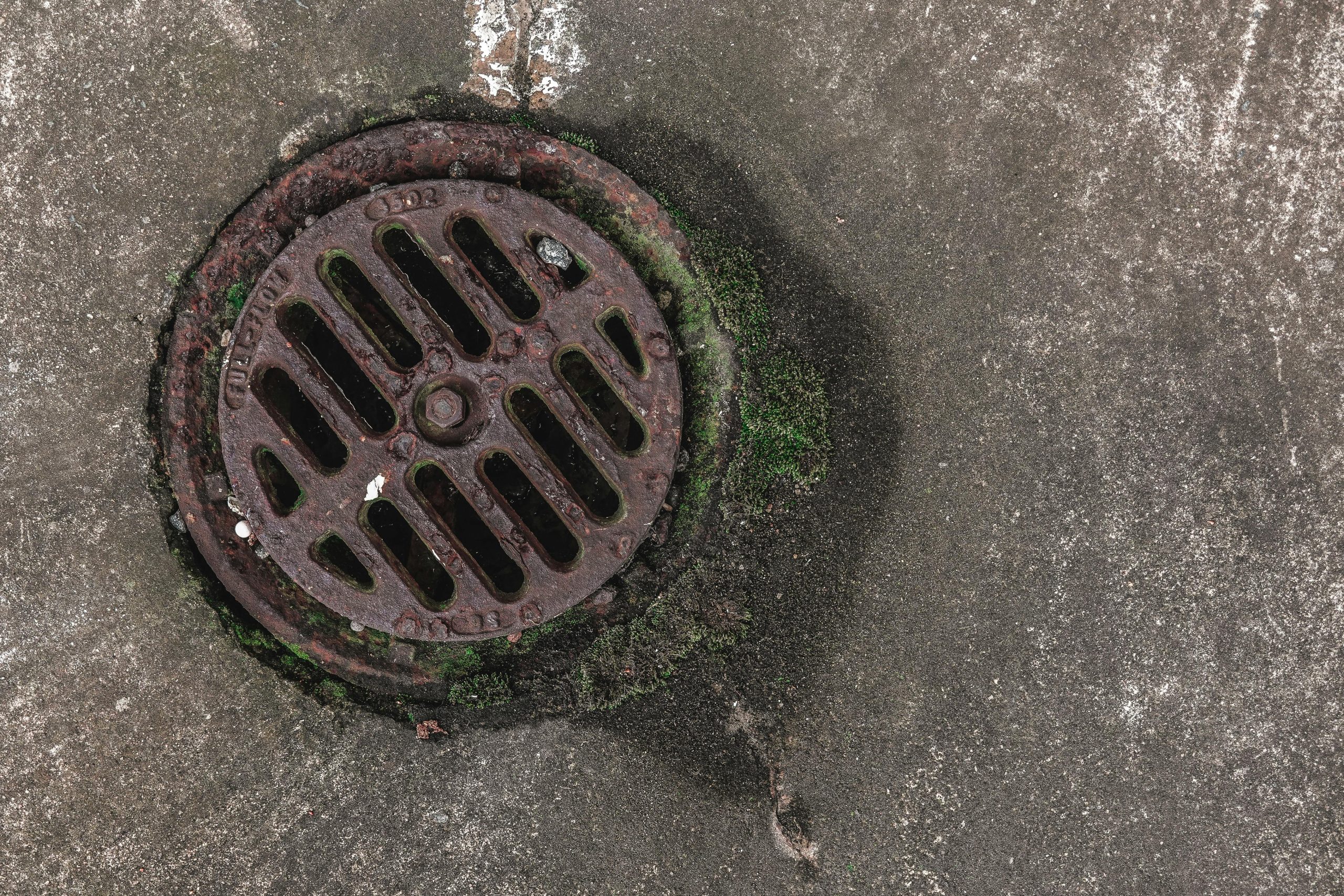
Where the smell might be coming from is the quietest part of the house. Visitors are often most affected by the air in the basement and hallway, because they have not grown used to the normal smell of the home. In older U.S. homes, the source could be damp storage, floor drains, cardboard boxes, foundation moisture, laundry areas, or air moving upward through stairwells. “More than candle is a musty smell.” Check humidity Remove damp cardboard Check drains and corners Increase airflow Treat lingering mustiness as moisture clue to follow uple air movement. That can create a stale smell that seems to hit the whole house when the door opens. Give linens breathing room, avoid storing even slightly damp towels, rotate older stacks, and wash the items guests actually smell first