In many U.S. kitchens, perfectly usable items get tossed during kitchen cleanups, laundry resets, or weekend decluttering sessions because they look worn, cloudy, stained, flat, or “too far gone.” But some of those everyday household items might just need a smarter reset before they deserve a spot in the trash bin. This gallery explores common items that are replaced too soon—food containers, towels, glassware, pans, sponges, cutting boards, pillows, and storage bins—as well as the often-overlooked clue that separates “done” from “still useful.” The point is not to cling to junk forever. It is to stop and think before spending money on a replacement when a small fix, a cleaning step or a better storage habit could give the item more useful life.
Stained Plastic Food Containers
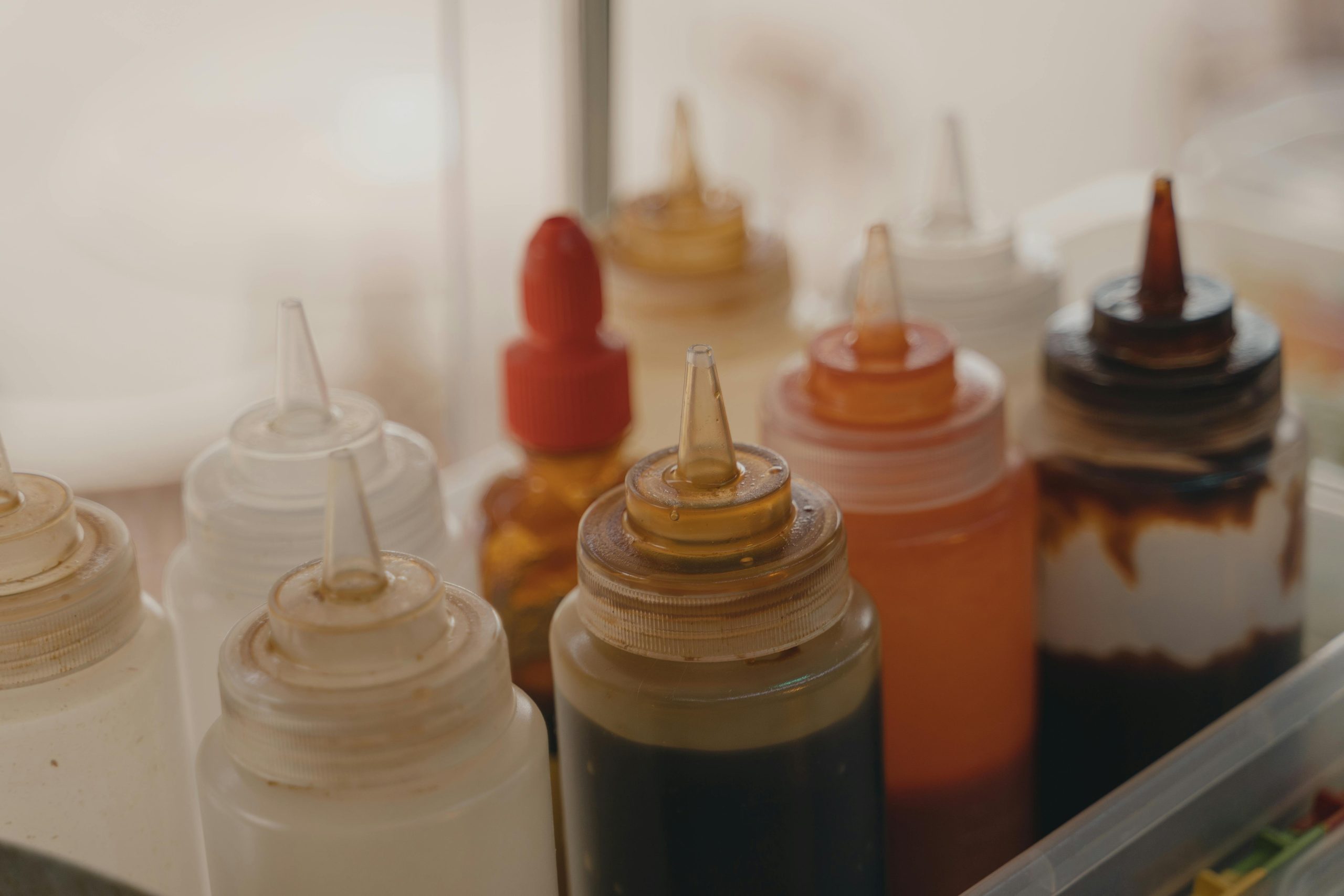
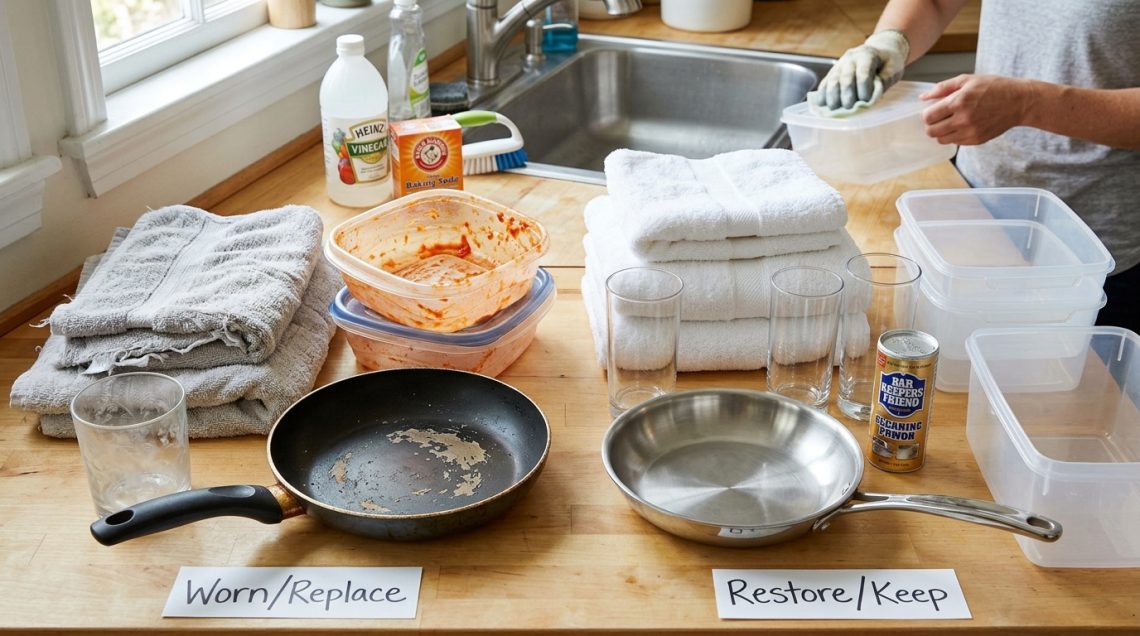
That soiled leftover container may not be trash yet. In many American kitchens, the plastic container gets tossed once spaghetti sauce, chili or curry leaves a deep orange shadow. But a stain doesn’t mean the container is unsafe or unusable. A paste of baking soda, sunlight or soaking in mild dish soap will often lessen the discoloration before replacement is necessary. The bigger warning sign is not just the color – it’s cracking, warping, sticky texture, a bad odor that doesn’t go away, or a lid that no longer seals. If the container still closes tightly and feels smooth, it may be worth cleaning it one more time before you get a new set.
Towels That Feel Dull or Stiff
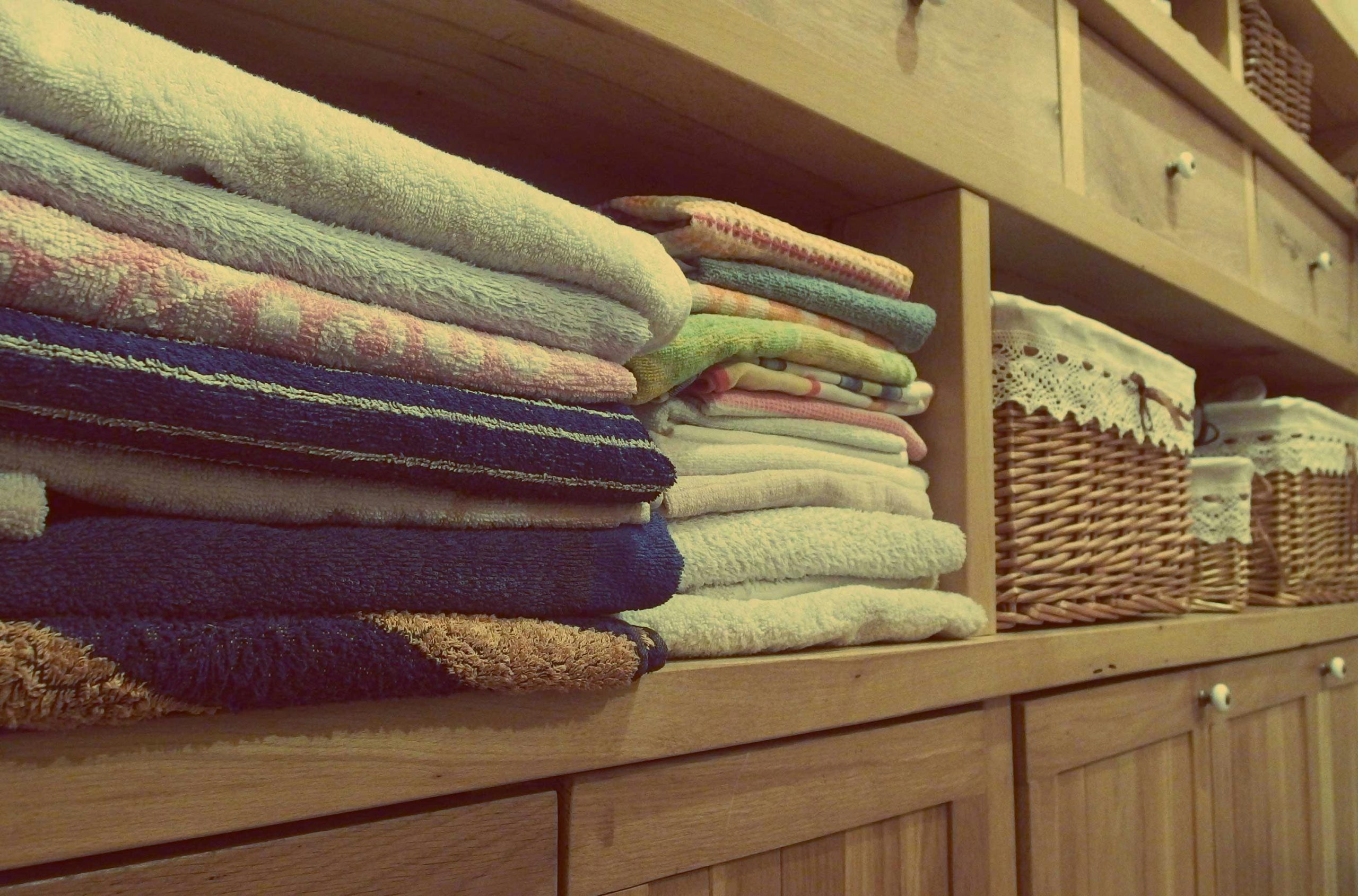
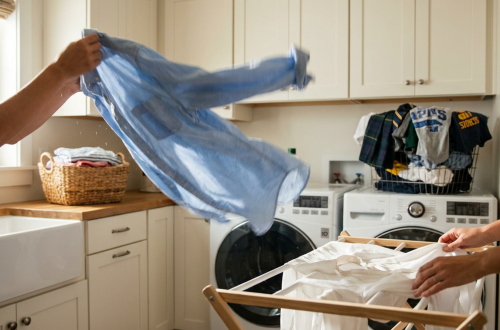
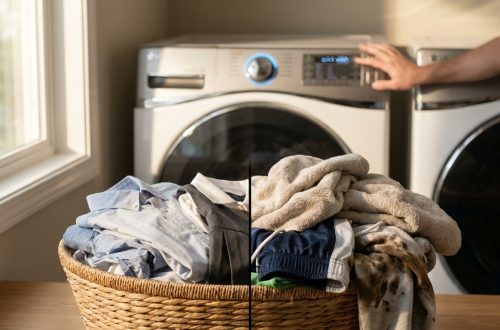
Old towels are only good to coat, not to wear out. In the laundry room, towels are often changed out when they are no longer fluffy, smell flat or don’t absorb. But in many U.S. homes, the real problem can be residue buildup from detergent, fabric softener, hard water or damp storage. Try washing a small load without fabric softener , using the correct amount of detergent , and drying them well before folding . Before throwing the whole stack of towels away , try it . Replacement might be in order if towels are tattered, worn out or have a sour odor even after a good wash. But a lot of times a stiffness problem can be a laundry habit problem, not a towel problem.
Cloudy Drinking Glasses

Cloudy glasses may seem to be permanently damaged, but they are only coated. Cloudy glasses in the typical American kitchen are usually blamed on age, cheap glass, or too many dishwasher cycles. Sometimes that is true, especially if the surface is etched and permanently roughened. But many cloudy glasses are just coated with mineral deposits or detergent film. A vinegar soak or a gentle hand wash can help figure out if the haze is removable. One quick test is texture. If the glass is smooth and the haze dissipates after soaking, it may not need replacing. If it remains foggy, and it seems to be damaged, the dishwasher or hard water may have already left permanent marks.
Scratched Nonstick Pans
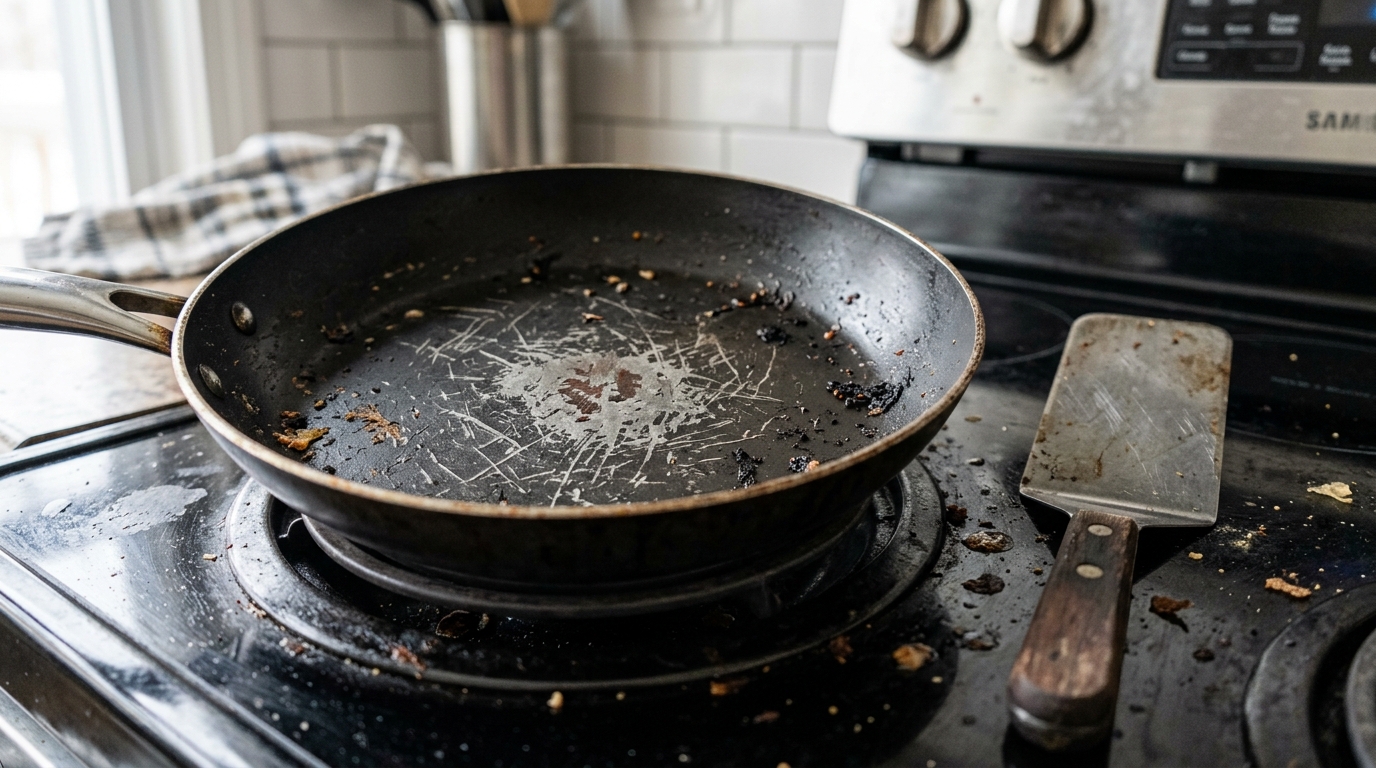
Not all scratched pans are the same type of problem. Hard scratched pans are because this is one place where caution counts. But that doesn’t mean the pan is done if you see a light surface mark on stainless steel, cast iron or some baking pans. But deep scratches, flaking coating, peeling surfaces or food that sticks badly can be signs it’s time to retire nonstick cookware. Prevention is the better “fix” in many U.S. kitchens: avoid metal utensils, stack pans with protectors and clean without harsh scrubbers. If the coating is disintegrating, do not try to save it. If it is just a dull exterior stain, that is a different issue than a damaged cooking surface.
Sponges That Smell Too Soon
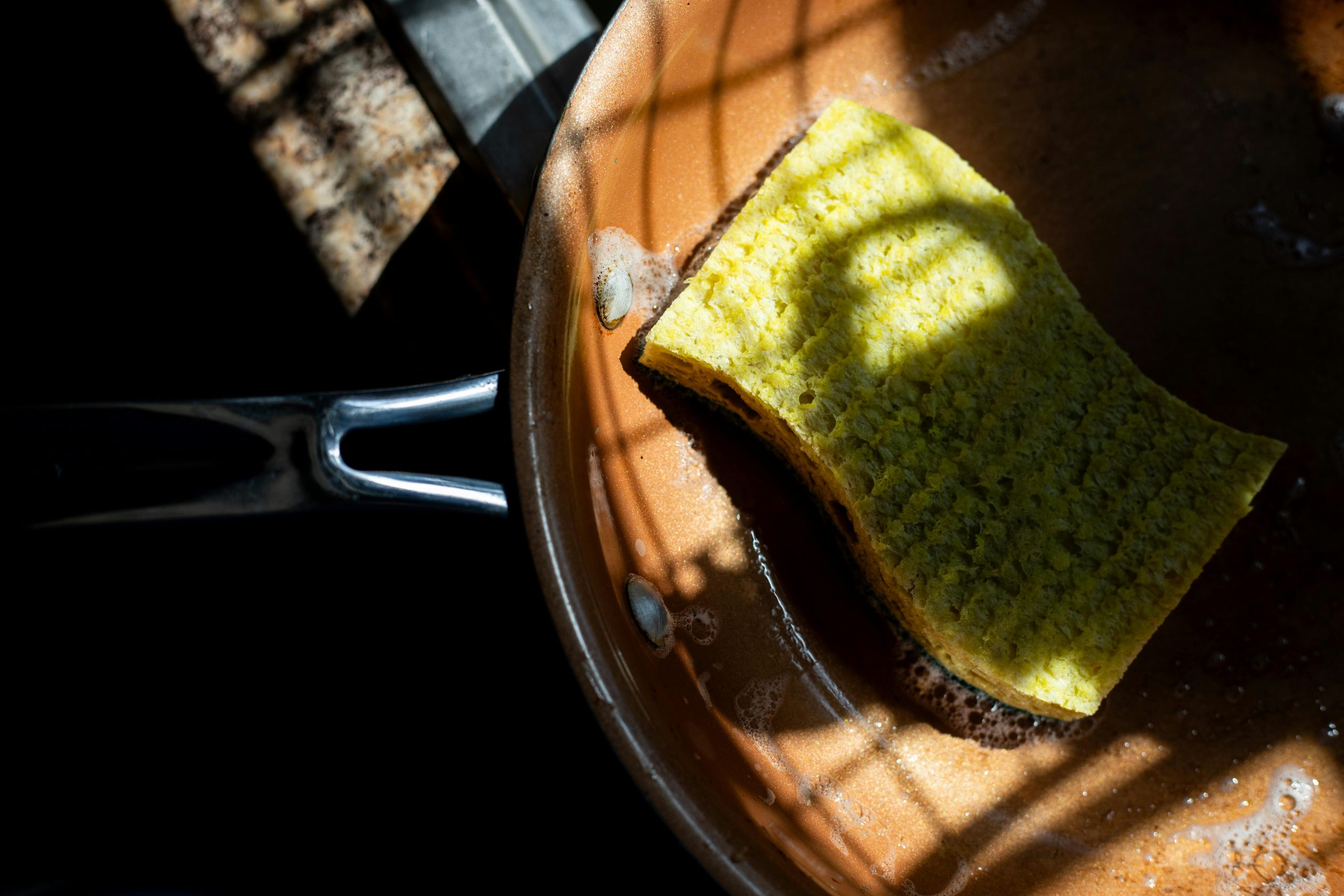
Some sponges are discarded because they remain wet for too long. Old sponges should not be kept forever, especially if they smell bad, fall apart or remain grimy after rinsing. But many sponges begin to smell too soon because they are left flat in the sink, trapped under dishes or never allowed to dry. A sponge holder with airflow can make a noticeable difference in a typical U.S. kitchen. Squeezed dry and rinsed away, food bits can help it last closer to its useful window, with rotating cleaning tools. But a swift return to a sour smell is a replacement signal. The smart thing is not to keep a dirty sponge around longer, it’s to keep a fresh one from going bad in two days.
Cutting Boards With Surface Stains
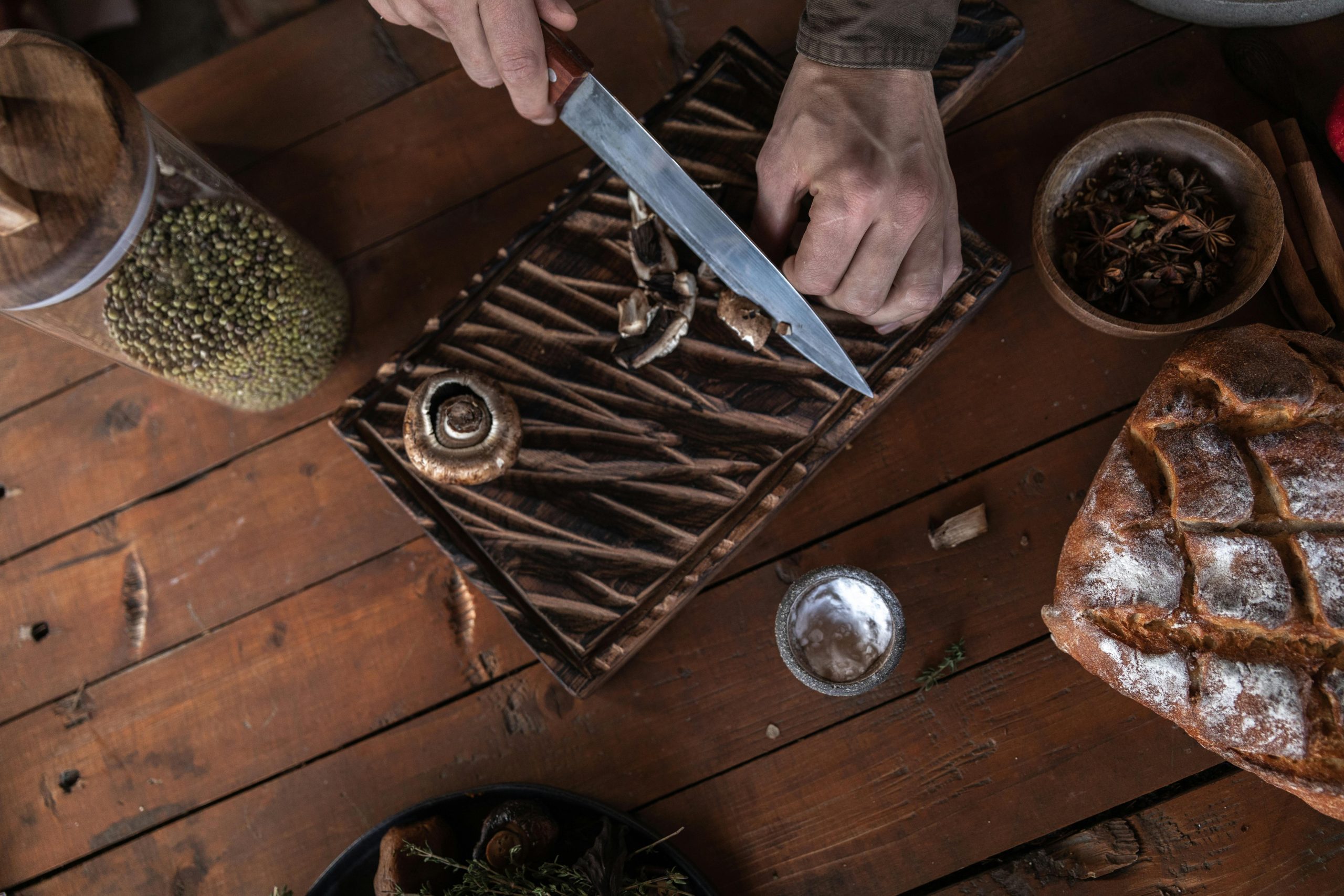
A stained cutting board may not be finished but the grooves change the story. Cutting boards look worse than they are after you chop up tomatoes, herbs, onions or roasted meats. A surface stain can sometimes be improved by proper washing, a paste of baking soda, lemon, or board-safe cleaning methods. But the real replacement clue is more profound: deep grooves, bad cuts, warping, cracks or trapped odors that won’t go away. In many American kitchens, one board does it all, then is replaced too late or too early. The better way is to separate boards by use, clean them properly and judge the surface If food debris can hide in deep cuts that board has gone from ugly to questionable.
Pillows That Look Fla
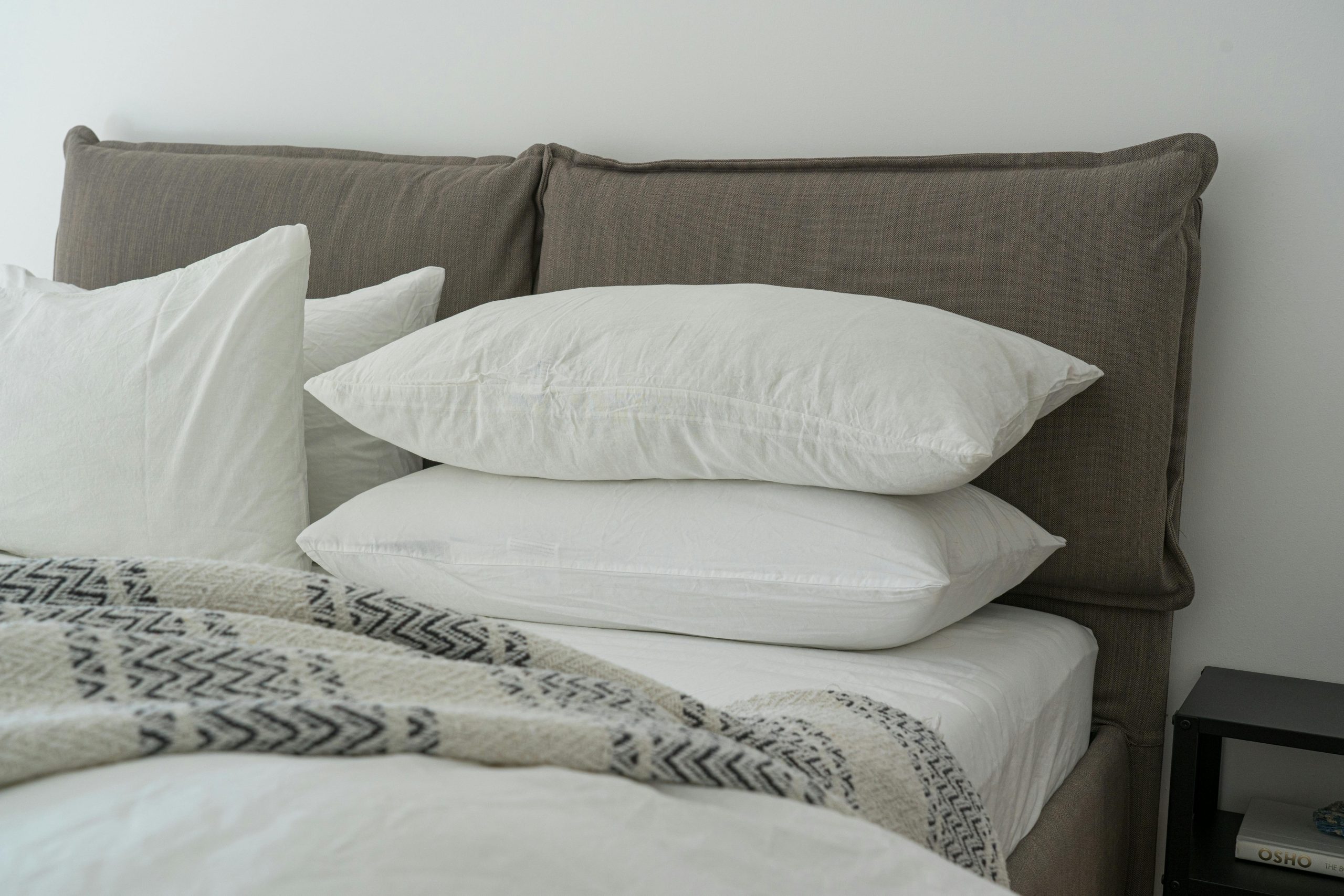
A flat pillow may not be ready for the trash the first time it looks tired. In U.S. bedrooms, pillows are often replaced when they look flat after washing, being stored or after months of compression. Some can be restored to shape with proper drying, fluffing, sunlight airing, or tennis balls in the dryer if the care label allows. But there are boundaries. If a pillow is lumpy, smelly, uncomfortable, visibly stained or fails the fold test badly, replacement may be the cleaner choice. The error is to judge by one flat morning. Check the care label, air it out thoroughly and see if it bounces back. Sometimes the pillow is used up, sometimes it was just stored or dried wrong.
Storage Bins With Cracked Lids
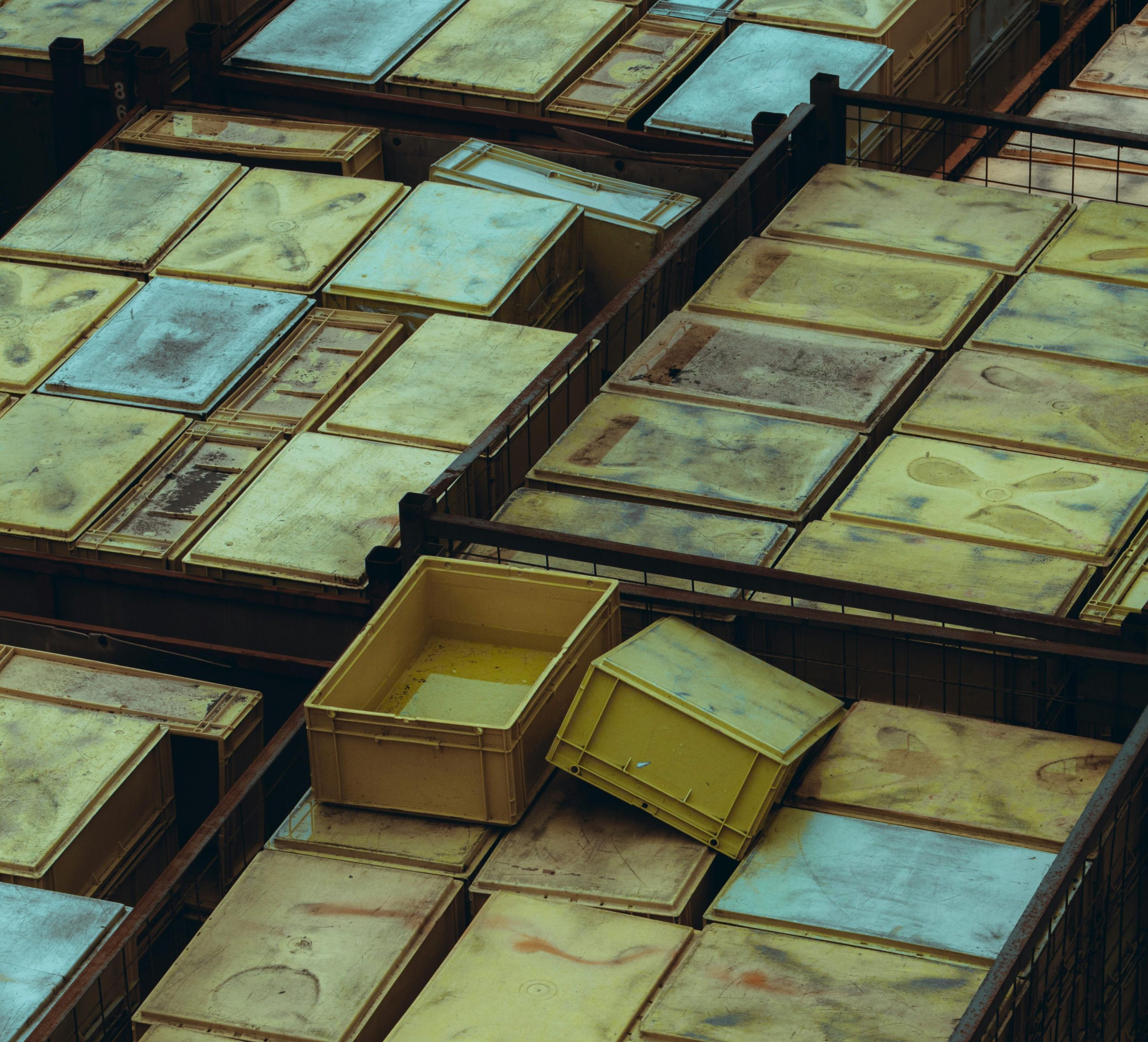
Often people replace the whole bin when only the lid was broken. Holiday decorations, tools, kids’ clothes and seasonal clutter abuse garage and basement storage bins Many homeowners when a lid cracks just give up and buy a new stack of bins. But if the base is not cracked, warped, damp or brittle, it can still be used for open storage, pantry overflow, garage rags, sports gear or closet sorting. The trick is to match the bin to a lower risk job. No cracked lid bin for moisture sensitive items, attic storage or anything pests could get into. But for visible indoor organizing, the bottom half can still be useful and save some money before it becomes trash.